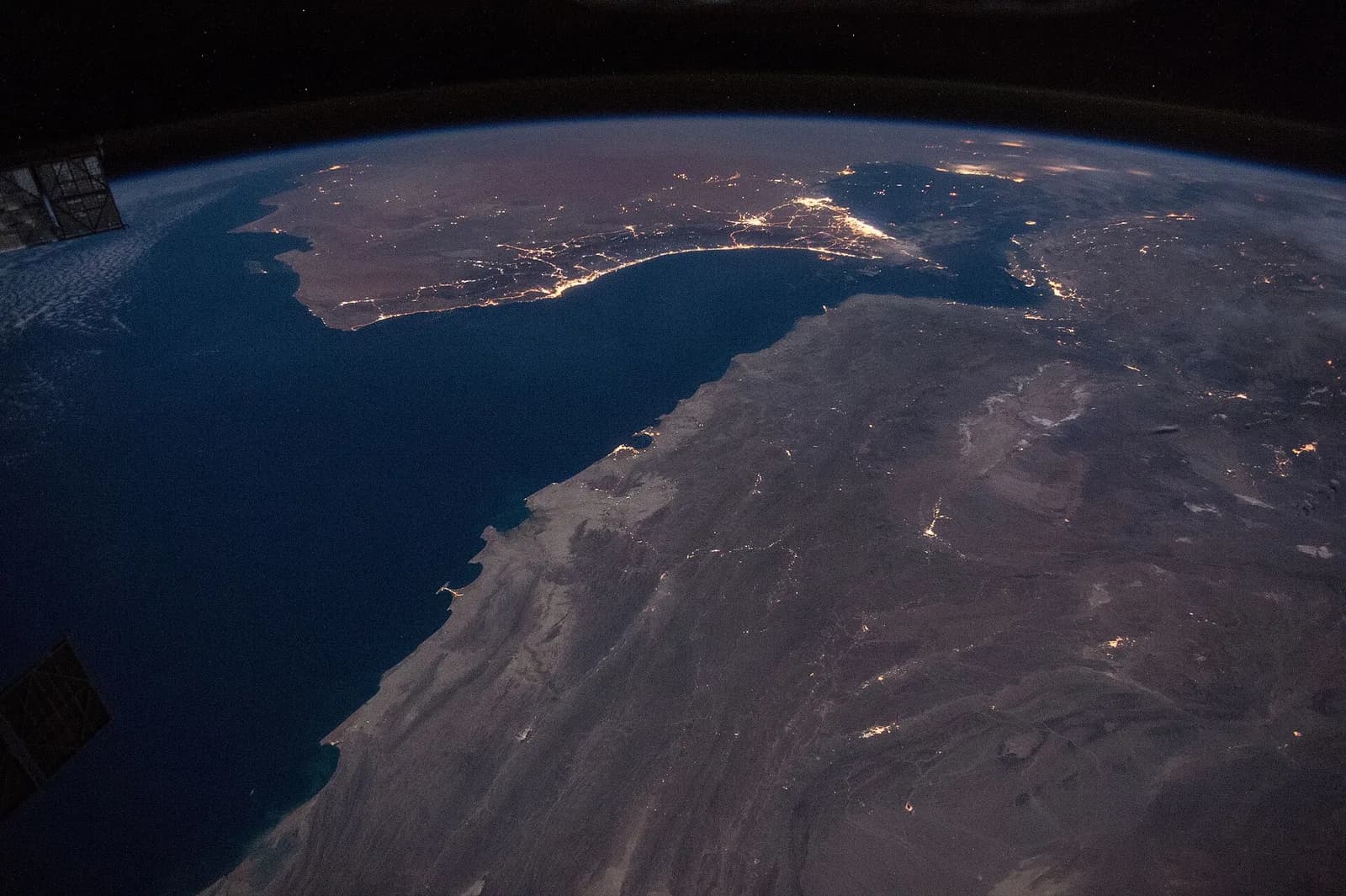
The head of Japanese shipping company Mitsui OSK Lines expects disruption in the Strait of Hormuz to last longer than previously assumed, with recent attacks elevating the risk for tankers attempting to move oil through the waterway.
Chief Executive Officer Jotaro Tamura said 'Given the current situation, it’s difficult to see operations resuming in any form by the end of the year,' and 'The situation continues to be well beyond the level of risk we can accept.'
Impact on Shipping and Oil Refiners
Clashes between the US and Iran over control of Hormuz have intensified, raising the threat for vessels carrying Middle Eastern crude to global markets. Japanese shipowners have largely avoided the region for safety reasons, forcing Japan’s oil refiners to seek alternative supplies and routes, including the US, while drawing from the nation’s stockpiles to stave off shortages and price spikes.
Mitsui OSK had previously assumed a phased resumption of Hormuz transit from October, followed by a return to normal operations from January. However, that timeline now appears likely to slip, with Tamura saying the resumption of crossings 'is likely to be pushed back,' but it’s difficult to say by how much.
For Mitsui OSK to resume regular transits, Tamura said the company would need confidence that safe passage could be sustained across multiple voyages. On a more positive note, as Japanese refiners diversify crude supplies, new routes are opening up for the nation’s shipping lines, with stronger demand from the US and West Africa.
Typically, war-risk premiums and reroutings tend to increase in response to heightened tensions and attacks in key waterways, which can impact shipping costs and operations.

As Editor in Chief of The Maritime, I lead content development, interviews, and digital storytelling across our multimedia maritime platform. With over 10 years of experience in the maritime industry, I create and publish in-depth stories and video features that highlight key players, emerging trends, and operational realities across global shipping. Before launching The Maritime, I worked as a Vessel Operator at Imza Marine A.S., gaining hands-on commercial shipping and voyage operations experience. I also served as Marketing Communications Specialist at Gimas Ship Supply & Services, where I managed corporate communication, digital strategy, and industry outreach for shipowners and maritime clients. I hold a Master’s degree in Maritime Transportation Management from Istanbul Technical University and a Master’s degree in Publishing from Marmara University. My work is driven by the belief that the maritime world deserves strong, informed, and accessible media representation. I am committed to sharing the stories of maritime professionals and contributing to the sector’s visibility, knowledge exchange, and future development.