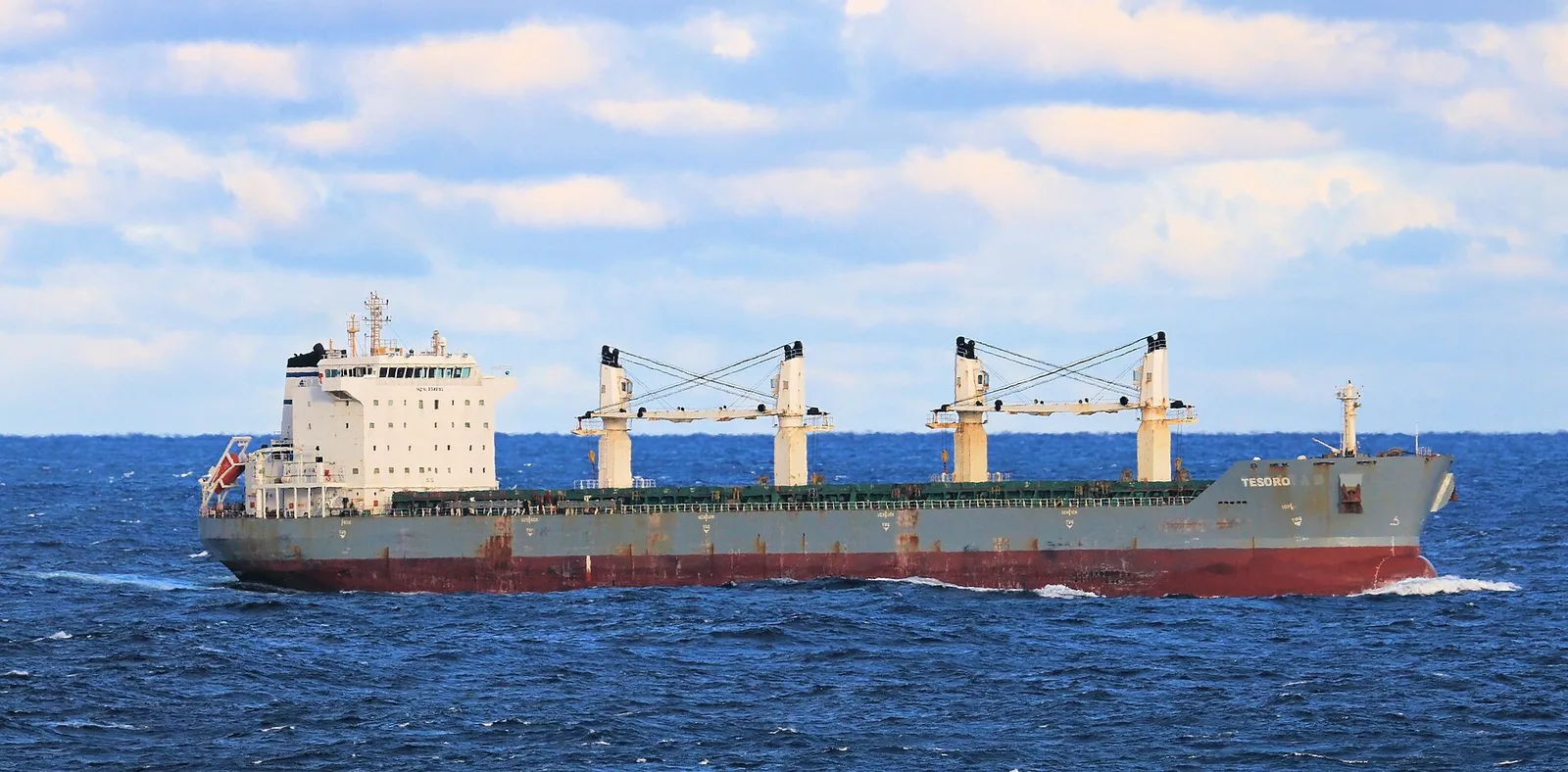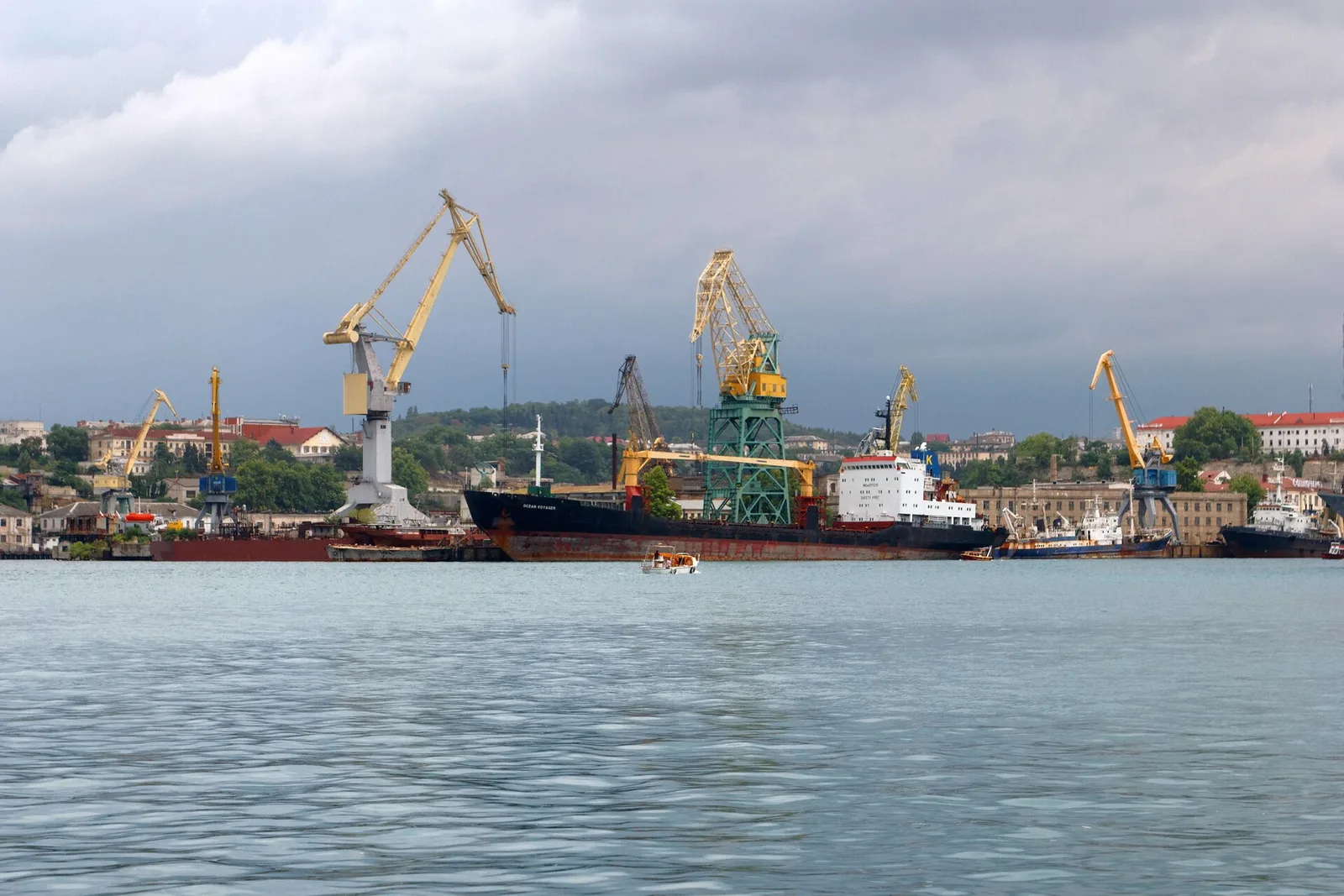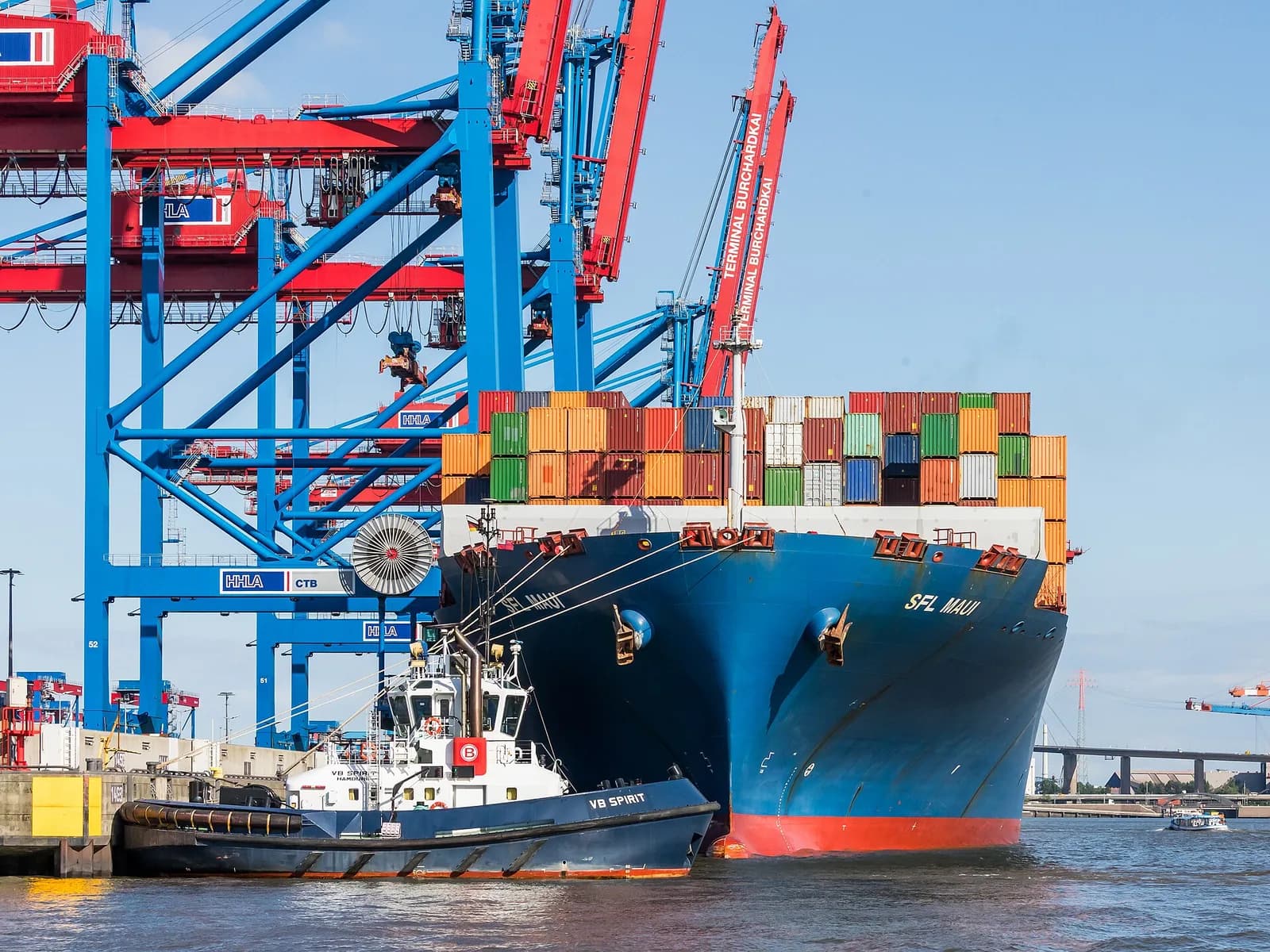
IMO member states are seeking a compromise on the Net-Zero Framework, with growing consensus around regulating marine energy's greenhouse gas intensity.
Delay and opposition
In October 2025, IMO member states voted to delay the framework's adoption by a year after opposition from the United States and Middle Eastern oil producers, who argued it would add costs to ship operations and fuel inflation. Dorota Lost-Sieminska, director of the IMO's Legal Affairs and External Relations Division, said the United States and major oil-producing countries had pushed for the delay but stressed that their opposition did not amount to a rejection of the IMO process. She noted they had said they would negotiate in the future.
She added, 'We would like to avoid regional solutions and fragmentation and there is a need to have a global solution.'
Industry perspectives
The United States, having rejected the Net-Zero Framework as a form of carbon tax, has remained in recent IMO discussions while signalling support for revisions that remove more mandatory financial elements from the regulation. Bahri CEO Ahmed Ali Alsubaey said at the WPC Energy Congress that while deep-sea shipping will decarbonize, the key question is whether it can be done without disrupting the reliability of global trade.
Karrie Trauth, president of the UK Chamber of Shipping, said shipowners would prefer a global compromise over a fragmented regional framework, adding that they would accept imperfect regulation if it is applied worldwide.
Framework components and fuel costs
The current framework includes technical measures setting thresholds for marine energy's greenhouse gas intensity and economical measures that impose financial costs on ship emissions exceeding those thresholds. Lost-Sieminska said member states are clear on the technical side but remain uncertain on the economic side. Many analysts and environmentalists said a robust carbon price mechanism is needed to promote industry-wide low-carbon bunker transition, noting that sustainable marine fuels remain more expensive than conventional oil-based bunker due to limited availability.
According to Platts data, August's delivered bunker costs for very low sulfur fuel oil were $20.15 per gigajoule in Singapore, compared with $48.54 per gigajoule for 100% sustainable methanol.
Cover image: Raimond Spekking, CC BY-SA 4.0, via Wikimedia Commons.

As Editor in Chief of The Maritime, I lead content development, interviews, and digital storytelling across our multimedia maritime platform. With over 10 years of experience in the maritime industry, I create and publish in-depth stories and video features that highlight key players, emerging trends, and operational realities across global shipping. Before launching The Maritime, I worked as a Vessel Operator at Imza Marine A.S., gaining hands-on commercial shipping and voyage operations experience. I also served as Marketing Communications Specialist at Gimas Ship Supply & Services, where I managed corporate communication, digital strategy, and industry outreach for shipowners and maritime clients. I hold a Master’s degree in Maritime Transportation Management from Istanbul Technical University and a Master’s degree in Publishing from Marmara University. My work is driven by the belief that the maritime world deserves strong, informed, and accessible media representation. I am committed to sharing the stories of maritime professionals and contributing to the sector’s visibility, knowledge exchange, and future development.