The US Treasury's Office of Foreign Assets Control placed Iran's Persian Gulf Strait Authority on the Specially Designated Nationals list on May 27, designating the toll-collecting body under Executive Order 13224, the government's core counter-terrorism authority, for materially assisting the Islamic Revolutionary Guard Corps. The Treasury press release casts the authority not as a maritime regulator but as a fundraising scheme for a designated foreign terrorist organization.
For shipowners, the designation converts a commercial dilemma into a legal trap. A transit fee that some operators had begun to price as a grim cost of doing business is now, in Washington's framing, material support for terrorism, and the consequences reach well beyond US jurisdiction.
What the designation does
All PGSA property within US jurisdiction is blocked and US persons are barred from any dealings with it. The sharper edge is secondary exposure: non-US owners, insurers, brokers, port agents, banks and service providers that facilitate PGSA transactions now risk designation themselves, according to the OFAC action notice. Treasury's case is that the authority is an IRGC scheme to turn the extortion of merchant shipping into revenue, coordinating traffic with the IRGC Navy, forcing vessels onto an Iranian-designated coastal route and demanding sensitive operational data, with the fees funneled to the Guard.
"Economic Fury has left the regime desperate for cash," Treasury Secretary Scott Bessent said in announcing the action. The move followed public pressure from Senator Tom Cotton, who had urged Bessent to act against the authority. The choice of EO 13224 rather than an Iran-specific authority is itself a signal: it ties the toll to terrorism financing, the designation category with the least political appetite for waivers or carve-outs.
Every payment channel closed
The prohibition is drafted to leave no route open. It covers direct payments, digital assets, offsets, informal swaps, charitable donations and payment in kind, and OFAC issued FAQ 1249 to address the question owners were already putting to their counsel: whether paying the toll is itself sanctionable. There is real money behind the answer. Tolls were running at $1m to $2m per transit at the time of the designation, settled in yuan or Bitcoin, according to industry reports, and J.P. Morgan has warned that an entrenched toll could yield Iran $70bn to $90bn a year.
That revenue projection explains Treasury's urgency, and the breadth of the prohibition reflects how the toll is actually paid. Yuan settlement and Bitcoin leave few touchpoints with the dollar system, so OFAC's leverage rests on the service layer around each transit: the brokers, agents, insurers and banks that cannot function without Western counterparties.
Pressure lands on Muscat
The designation did not arrive alone. On May 27, President Trump publicly threatened Oman over its role in toll diplomacy, and on May 28 Treasury issued a formal warning to Muscat. The same day brought a broader package of designations against an Iranian shipping network, a reminder that the PGSA listing sits inside a wider financial campaign rather than standing as a one-off gesture.
The week also carried a quieter current. Reports circulating by May 28 suggested that US and Iranian negotiators had sketched the outline of an extended ceasefire pending presidential approval. Nothing had been confirmed by the afternoon of May 28, and the sanctions track proceeded as if no such outline existed.
The road ahead
The roughly 1,500 ships reported trapped in and around the Gulf since early May now sit between two regimes with opposite demands. Paying the authority risks a sanctions designation; refusing means facing the checkpoint system Iran mapped out when the PGSA went public, in a strait where the sinking of the Haji Ali demonstrated the price of defiance.
What follows will be decided at the margins. Watch for the first enforcement action against a payer or a facilitator, which would tell the market how literally OFAC intends its warning to be taken. Watch how P&I clubs and hull underwriters respond, since cover that touches a PGSA transaction is now itself a liability. And watch whether toll settlement migrates deeper into the crypto and informal-swap channels the designation explicitly named, because a prohibition that cannot be policed does not end a revenue stream, it merely reprices it.
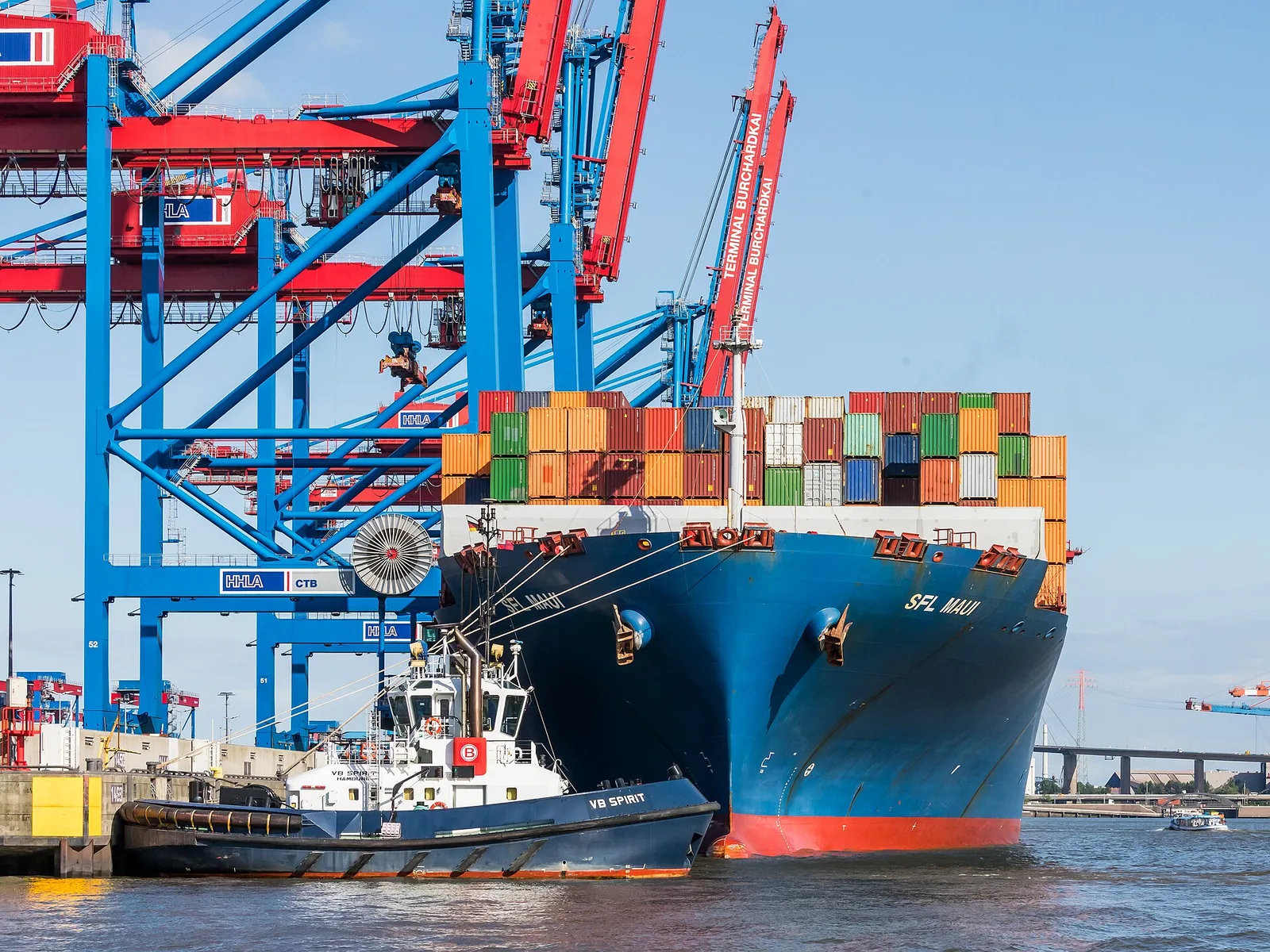
Cover image: Rchuon24, CC BY-SA 3.0, via Wikimedia Commons.
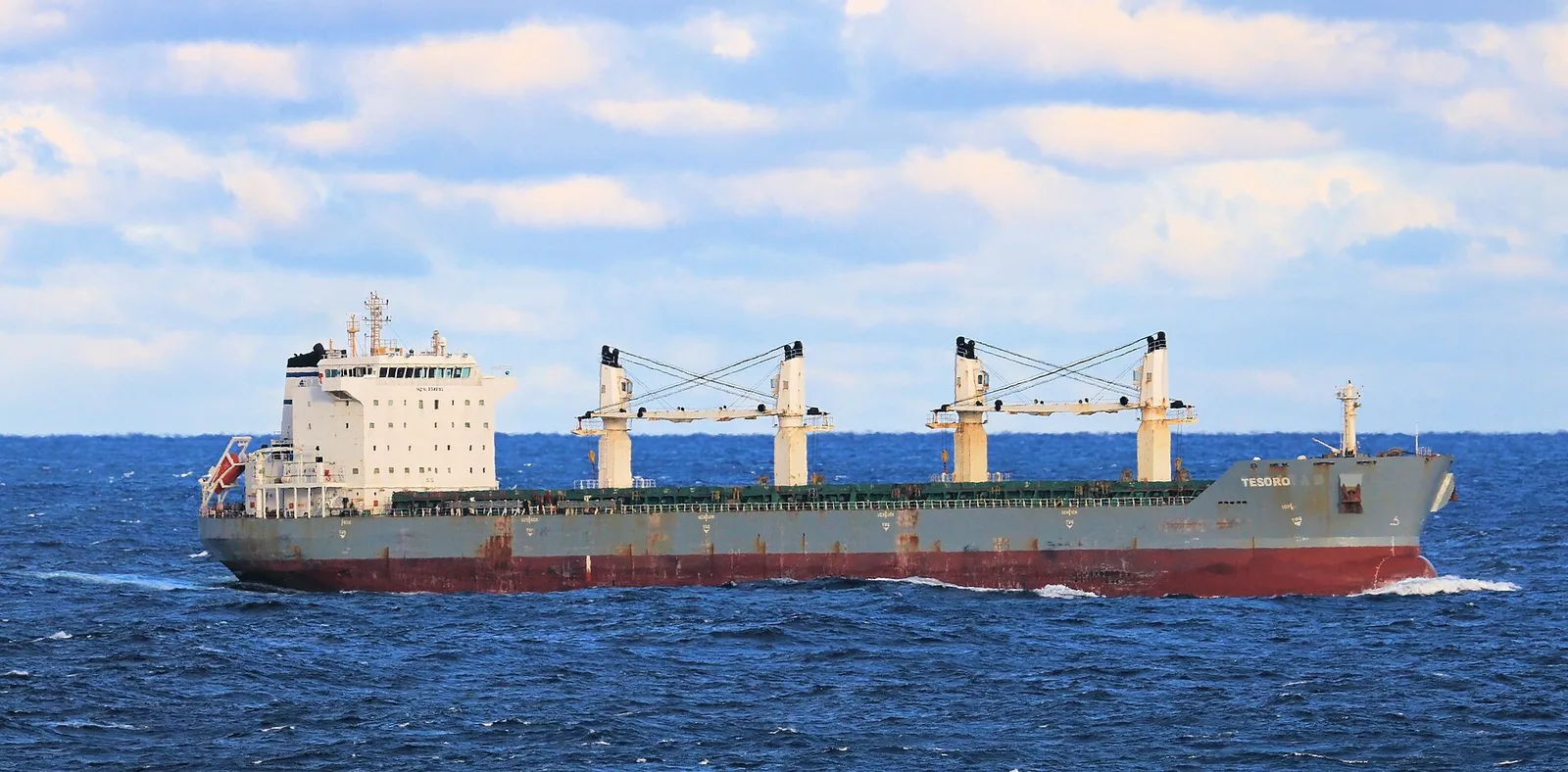
Cover image: Agnes Monkelbaan, CC BY-SA 4.0, via Wikimedia Commons.

As Editor in Chief of The Maritime, I lead content development, interviews, and digital storytelling across our multimedia maritime platform. With over 10 years of experience in the maritime industry, I create and publish in-depth stories and video features that highlight key players, emerging trends, and operational realities across global shipping. Before launching The Maritime, I worked as a Vessel Operator at Imza Marine A.S., gaining hands-on commercial shipping and voyage operations experience. I also served as Marketing Communications Specialist at Gimas Ship Supply & Services, where I managed corporate communication, digital strategy, and industry outreach for shipowners and maritime clients. I hold a Master’s degree in Maritime Transportation Management from Istanbul Technical University and a Master’s degree in Publishing from Marmara University. My work is driven by the belief that the maritime world deserves strong, informed, and accessible media representation. I am committed to sharing the stories of maritime professionals and contributing to the sector’s visibility, knowledge exchange, and future development.