Tanker traffic through the Strait of Hormuz has thinned to a trickle. Kpler counted 21 transits on Tuesday, July 14, according to figures, against a pre-conflict norm of 125 to 140 ships a day. By July 16 the seven-day average of oil flows through the waterway had slipped to 3.9 million barrels a day, from 4.6 million earlier in the month, the same reporting shows.
The strait carries roughly a fifth of the world's oil, and the market now treats its slow strangulation as a supply event in its own right. Brent crude was quoted near $84.50 on July 16, up 11 percent on the week, in the same coverage. No government has declared the waterway closed. Owners, underwriters and crews are closing it themselves, one declined fixture at a time.
A strait priced shut, not closed
The slide has been steep and sustained. Over the two weeks to July 9, transits averaged about 40 ships a day, and in the early hours of one Thursday only two tankers moved through. "Tanker traffic through the Strait of Hormuz has essentially stopped," Rystad's Jorge Leon said in that July 9 report.
The squeeze predates the current flare-up. The US Energy Information Administration put first-quarter 2026 flows through the strait 30 percent below a year earlier, at 14.6 million barrels a day. Producers have raced barrels out whenever a window opened: Saudi Arabia shipped some 34 million barrels through Hormuz after the June 17 ceasefire, and the UAE reached a record 4.1 million barrels a day, the.
Tanker traffic slows in Strait of Hormuz after US and Iran clashes
@Reuters July 2026
Five months of escalation
The crisis began with the outbreak of war on February 28, and a US blockade of Iran-related shipping has been in force since April 13. A ceasefire reached around June 17 collapsed in early July. July 7 brought the heaviest single day of attacks since the peace deal, Bloomberg reported: the Qatari LNG carrier Al Rekayyat was left with an engine-room fire off Oman, her crew evacuated and the ship awaiting salvage, and the Saudi supertanker Wedyan was hit the same night. Earlier casualties of the campaign include the sanctioned, Iranian-loaded Berg 1 and the Marshall Islands-flagged chemical tanker Well Sail.
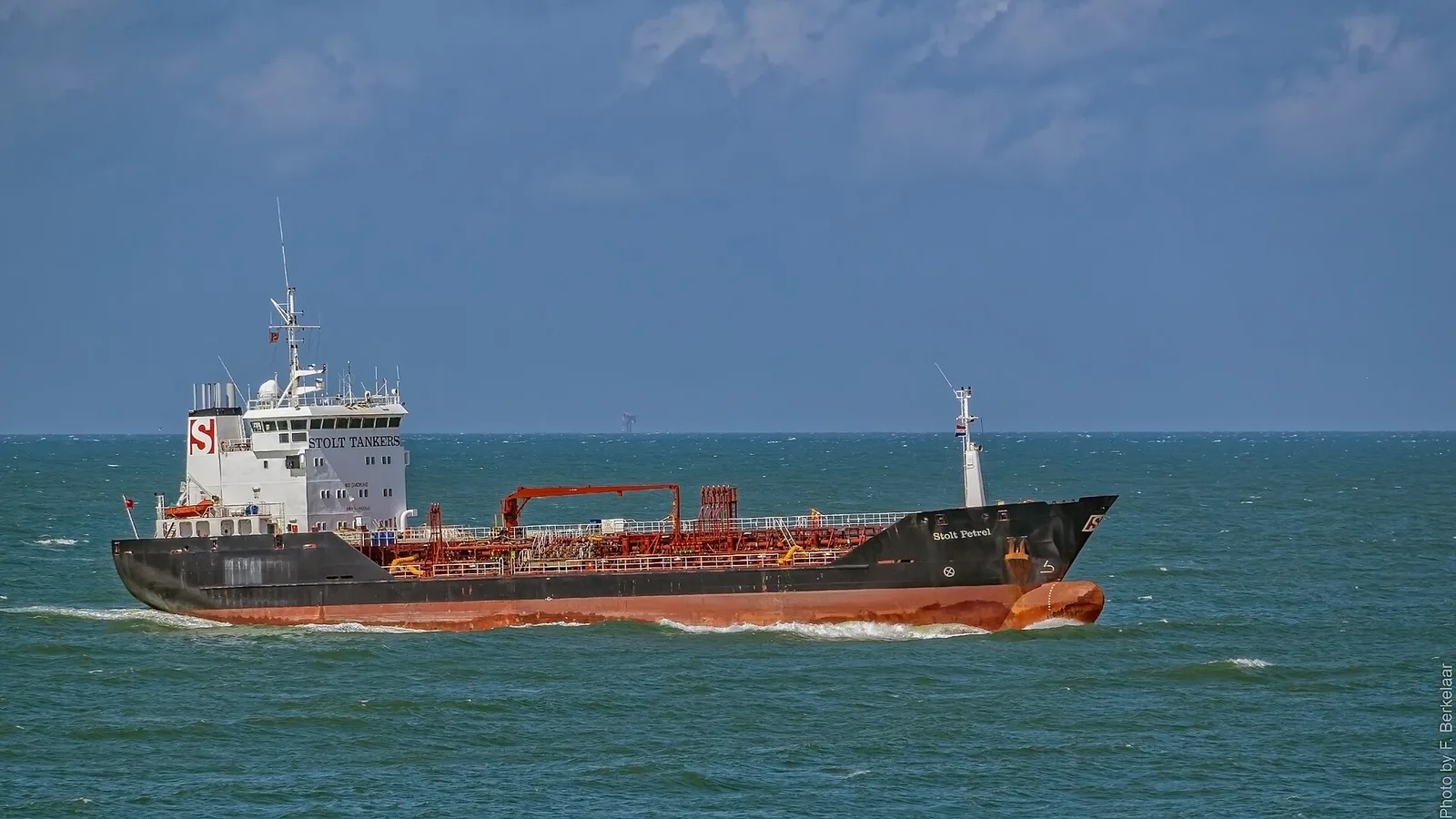
On July 14 Iran attacked three tankers, beginning with the Norwegian-owned Stolt Magnesium northeast of Qalhat, and Washington revoked the license that had permitted Iranian oil sales under the interim deal that same day. The US Treasury also designated more than 50 individuals, entities and vessels tied to the shipping network of Mohammad Hossein Shamkhani, lifting cumulative designations under his patronage past 200, and CENTCOM resumed its maritime blockade of Iranian ports hours later. By July 16 the US had struck Iranian missile batteries, air defenses, IRGC boats and targets on Qeshm Island for a fifth consecutive day, and an unladen Curacao-flagged tanker was hit near Kharg Island. Since February the toll stands at 56 confirmed incidents and 17 seafarers dead.
The politics point the same way. Iranian parliament speaker Ghalibaf, a negotiator in the talks, said Tehran no longer saw grounds to remain committed to the arrangement, while US Vice President Vance described a policy of pressure, military action and negotiation running in parallel.
Echoes of the Tanker War
The precedent the market keeps reaching for is the Tanker War of the 1980s, when Iran and Iraq attacked merchant shipping for years yet the strait never formally closed. The effective barrier then was commercial, and it is again now. One war-risk underwriter has already warned of severe losses from the current cycle. When premiums reprice voyage by voyage and seafarers can decline the route, insurance and crew availability shut a strait well before any decree does. That 21 ships still transited on July 14 shows Hormuz remains physically open; the collapse from 140 shows it is commercially closing.
What to watch
Watch the bypass buildout. Saudi Arabia is evaluating an expansion of its East-West pipeline of around 2 million barrels a day, and ADNOC's Fujairah pipeline project is due in 2027. Both would move export capacity permanently beyond the strait, converting this summer's risk premium into infrastructure that outlasts it. Watch, too, whether the revoked oil-sales license and the resumed blockade push transits below the July 14 floor, and whether crude extends its 11 percent weekly climb if the seven-day flow average keeps falling. The strait's status will be decided in underwriting rooms and crewing offices before it is decided at any negotiating table.
Cover image: Martian-2008, CC BY-SA 4.0, via Wikimedia Commons.

As Editor in Chief of The Maritime, I lead content development, interviews, and digital storytelling across our multimedia maritime platform. With over 10 years of experience in the maritime industry, I create and publish in-depth stories and video features that highlight key players, emerging trends, and operational realities across global shipping. Before launching The Maritime, I worked as a Vessel Operator at Imza Marine A.S., gaining hands-on commercial shipping and voyage operations experience. I also served as Marketing Communications Specialist at Gimas Ship Supply & Services, where I managed corporate communication, digital strategy, and industry outreach for shipowners and maritime clients. I hold a Master’s degree in Maritime Transportation Management from Istanbul Technical University and a Master’s degree in Publishing from Marmara University. My work is driven by the belief that the maritime world deserves strong, informed, and accessible media representation. I am committed to sharing the stories of maritime professionals and contributing to the sector’s visibility, knowledge exchange, and future development.