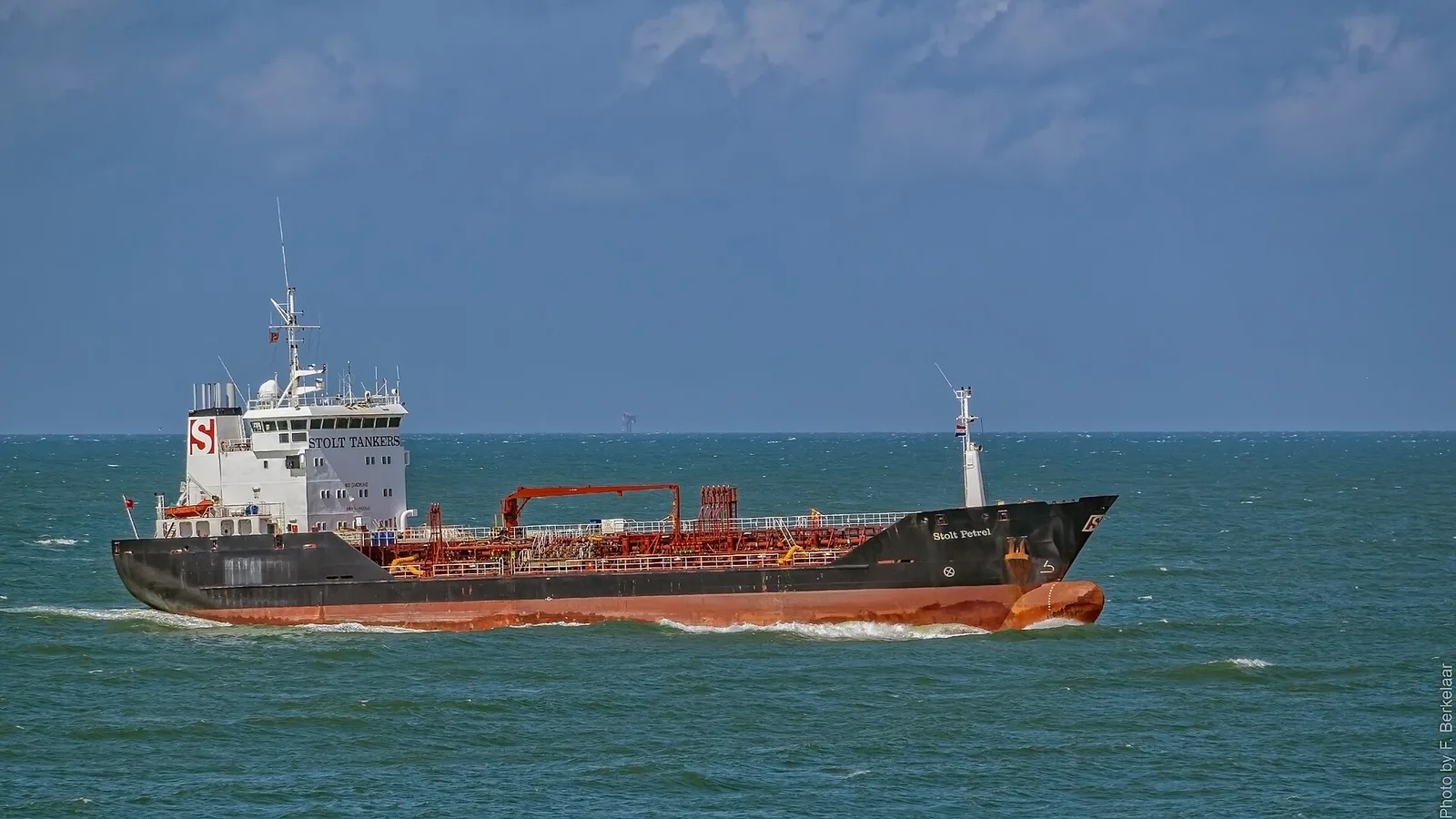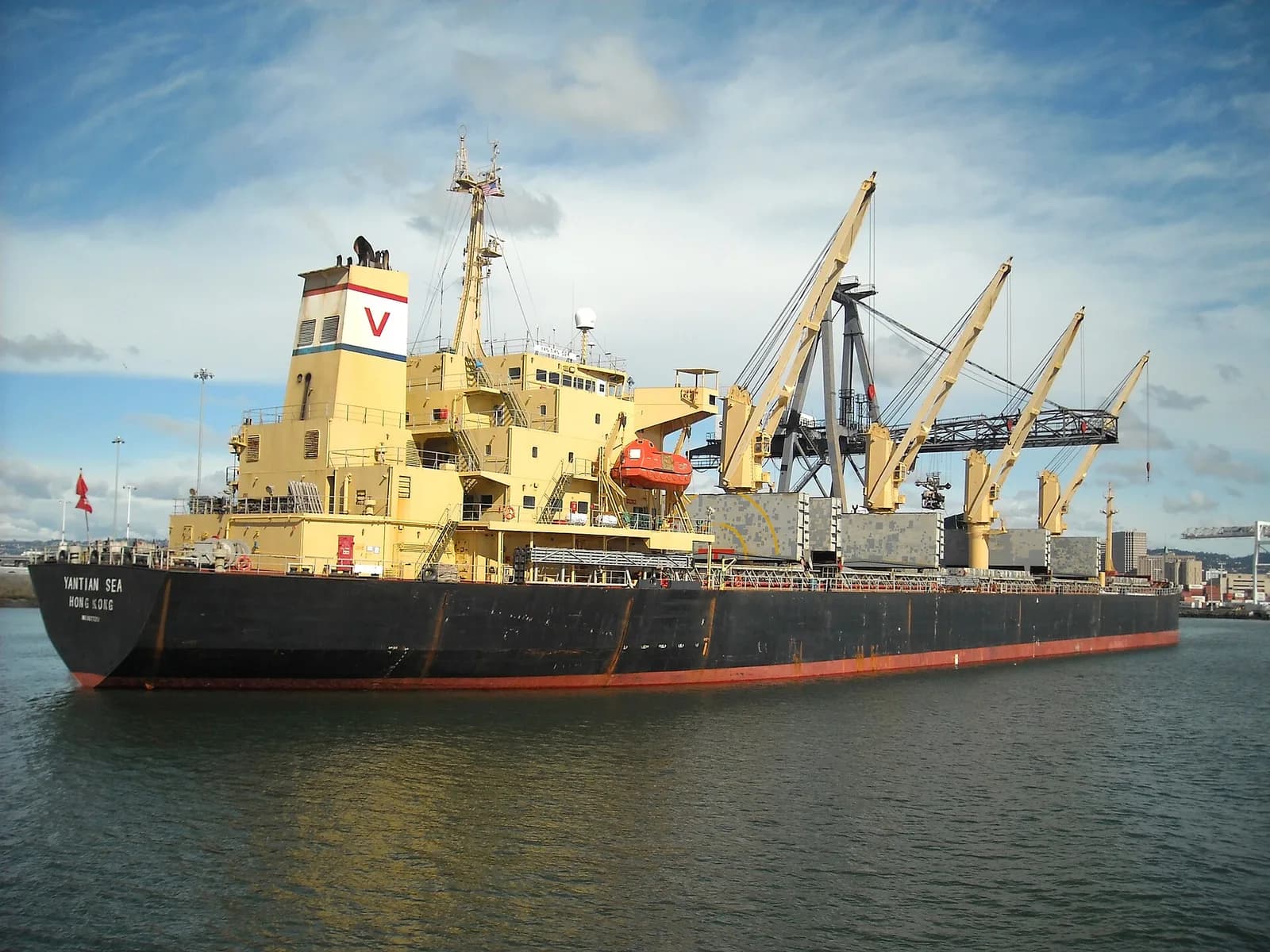
Ukrainian naval drones struck two laden crude tankers off Russia's Black Sea coast on July 16, hitting the Panama-flagged Suezmax Louise 1 and the Liberia-flagged Aframax Banda in a joint operation by the SBU security service and the Ukrainian Navy. Both ships were carrying Russian crude and both are under Ukrainian sanctions, according to industry reports.
The strikes crystallize a change of method. For two years Western governments squeezed Russia's shadow fleet with designations, port bans and price caps. Kyiv has moved to physically attriting it. The two tankers were hit during Operation MoLoCHKa, a campaign Ukraine's General Staff says struck 147 vessels between July 6 and July 16.
Two tankers, two conditions
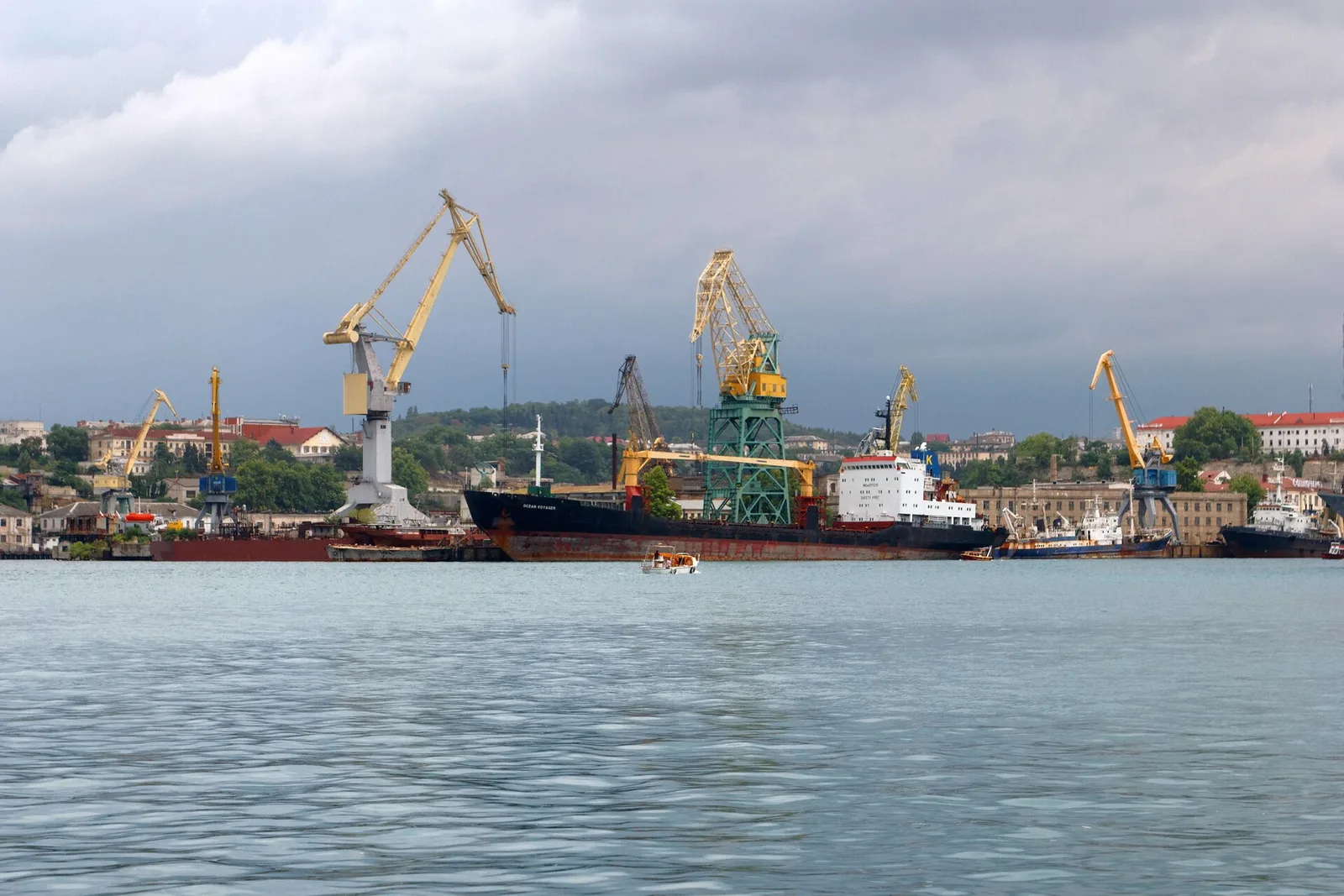
The attacks used Mamai naval drones against shipping off Novorossiysk and along the coast between Sochi and Tuapse, according to Euromaidan Press. The outcomes diverged. The Banda's AIS switched to not under command after the strike and video showed the ship burning, while the Louise 1 kept transmitting as underway using engine. The SBU said Russian aircraft machine-gunned and bombed the incoming drones without stopping them, and the agency released footage recorded from the drones themselves.
The SBU called the tankers a "legitimate target and a working part of Russia's war machine", in remarks carried by Euromaidan Press.
Two ships with shadow fleet histories
Neither vessel was an incidental victim. The Louise 1 has moved about 3 million tonnes of Urals crude in 2026, loading in both the Baltic and the Black Sea, at times with its transponder switched off, and recently called at Istanbul and Canakkale. The Banda's recent calls include Kulevi in Georgia and Novorossiysk, and the ship has previously served Ust-Luga, Kerch and Nakhodka. Their profiles fit the pattern Kyiv says it is targeting: sanctioned hulls in steady rotation through Russian export terminals, with transponders that go quiet when convenient. Details of the strikes were also reported by Ukrainska Pravda.
A campaign at fleet scale
July 16 was not an isolated action. Ukraine's General Staff said six Russia-linked tankers and two tugs were hit that same day across the Black Sea and the Sea of Azov, and overnight between July 14 and 15 Kyiv claimed strikes on 20 shadow fleet vessels near Crimea. Operation MoLoCHKa's claimed total of 147 vessels breaks down to 117 in the Sea of Azov and 30 in the Black Sea. The wider effort is catalogued on the Wikipedia page tracking Ukrainian attacks on the Russian shadow fleet. All of these figures are Ukrainian claims and have not been independently verified.
The asymmetry favors the attacker: expendable drones against laden tankers, and a strike rate that sanctions lists cannot match. Designations work in months; attrition works in hours. Every hit raises the cost of moving Russian barrels through waters Kyiv can reach, in war-risk premiums, crew wages and charter reluctance.
What to watch
The Banda's condition opens questions the industry cannot yet answer. A burning tanker showing not under command would normally trigger salvage, and salvage triggers insurance. But shadow fleet vessels are opaquely insured, so who funds a casualty response, and who pays if a stricken ship spills crude, is genuinely unclear; mainstream P&I clubs have no exposure and no obligation. A drifting, uninsured casualty off a Russian coast would be a problem with no owner.
Three follow-ons deserve attention. Underwriters covering Turkish strait transits will have to reprice passage for ships in the Russian crude trade, which routinely pass from Novorossiysk toward the Bosphorus within days of loading; the Louise 1's own recent calls at Istanbul and Canakkale show how short that hop is. Russia faces a choice between convoying tankers under naval or air escort, which would militarize commercial traffic and stretch its Black Sea forces, and accepting a rising loss rate. And the charterers, crews and managers still willing to serve the trade will demand premiums that do what sanctions alone could not: make Russian Black Sea crude progressively more expensive to move.

As Editor in Chief of The Maritime, I lead content development, interviews, and digital storytelling across our multimedia maritime platform. With over 10 years of experience in the maritime industry, I create and publish in-depth stories and video features that highlight key players, emerging trends, and operational realities across global shipping. Before launching The Maritime, I worked as a Vessel Operator at Imza Marine A.S., gaining hands-on commercial shipping and voyage operations experience. I also served as Marketing Communications Specialist at Gimas Ship Supply & Services, where I managed corporate communication, digital strategy, and industry outreach for shipowners and maritime clients. I hold a Master’s degree in Maritime Transportation Management from Istanbul Technical University and a Master’s degree in Publishing from Marmara University. My work is driven by the belief that the maritime world deserves strong, informed, and accessible media representation. I am committed to sharing the stories of maritime professionals and contributing to the sector’s visibility, knowledge exchange, and future development.