Bulk Carrier Sinks in Bay of Bengal
Twenty-two seafarers are missing after the Panama-flagged bulk carrier Ocean Winner sank in the Bay of Bengal. A major search and rescue operation is underway.


Contributor
As Editor in Chief of The Maritime, I lead content development, interviews, and digital storytelling across our multimedia maritime platform. With over 10 years of experience in the maritime industry, I create and publish in-depth stories and video features that highlight key players, emerging trends, and operational realities across global shipping. Before launching The Maritime, I worked as a Vessel Operator at Imza Marine A.S., gaining hands-on commercial shipping and voyage operations experience. I also served as Marketing Communications Specialist at Gimas Ship Supply & Services, where I managed corporate communication, digital strategy, and industry outreach for shipowners and maritime clients. I hold a Master’s degree in Maritime Transportation Management from Istanbul Technical University and a Master’s degree in Publishing from Marmara University. My work is driven by the belief that the maritime world deserves strong, informed, and accessible media representation. I am committed to sharing the stories of maritime professionals and contributing to the sector’s visibility, knowledge exchange, and future development.

Twenty-two seafarers are missing after the Panama-flagged bulk carrier Ocean Winner sank in the Bay of Bengal. A major search and rescue operation is underway.

The International Maritime Organization is calling for urgent action against a resurgence of piracy in the Gulf of Aden, where six merchant ships and over 90 seafarers are being held captive. Somali piracy is again becoming a problem for ships moving between the Indian Ocean and Gulf of Aden.

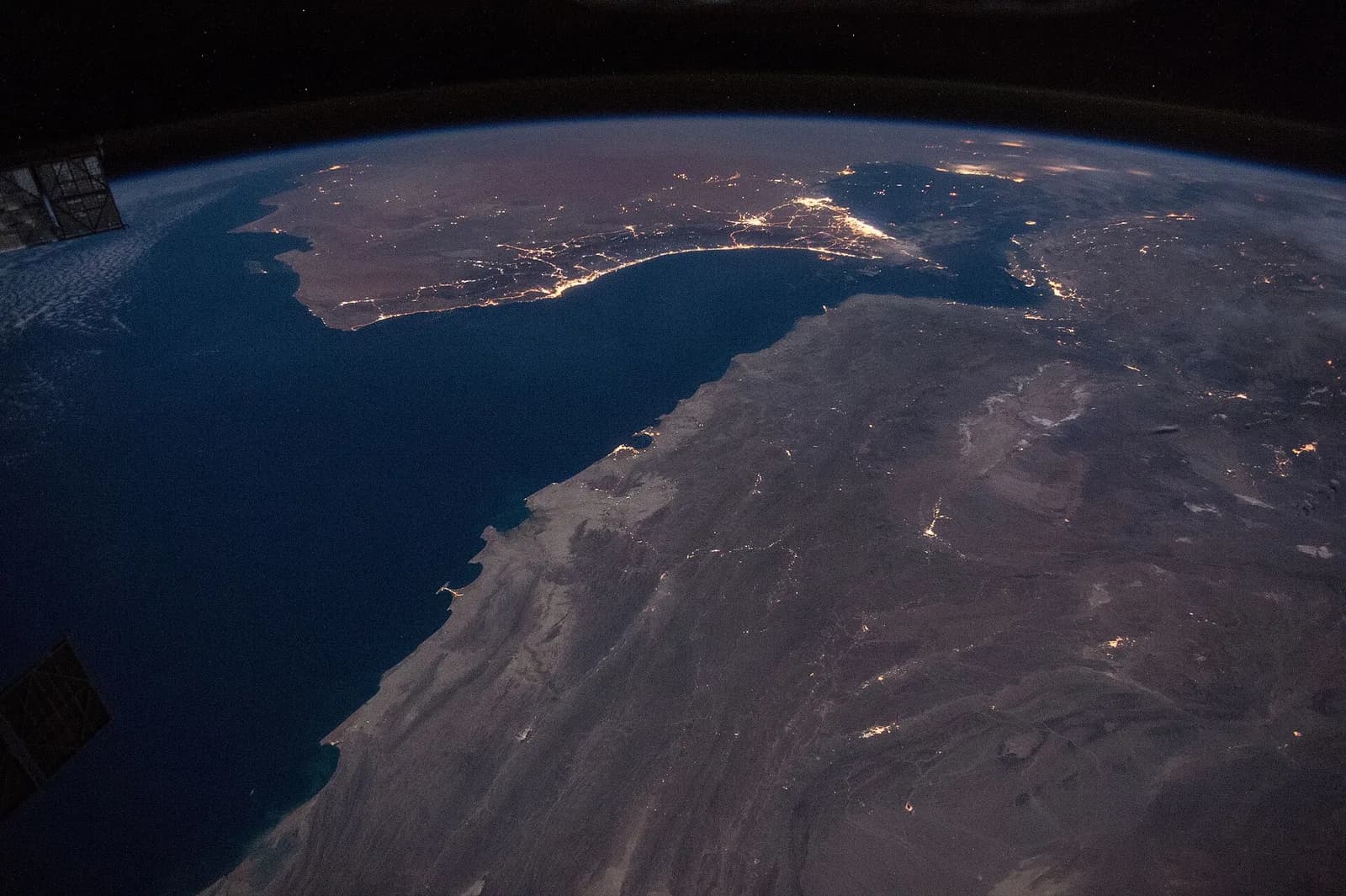
Iran has published a list of 46 vessels it says violated its arrangements for transiting the Strait of Hormuz, warning that the ships could face fines, detention, seizure or confiscation if they attempt future passages through the strategic waterway. The move puts shipowners in a difficult position, as complying with Tehran's transit regime could trigger US sanctions.

Russia and Ukraine have increased attacks on each other's commercial ships and ports in the Black Sea area, disrupting grain exports and raising concerns about global grain supplies. Ukraine's ports in the Greater Odesa region handle about 90% of its grain shipments, but the country has exported only about 500,000 tons of grain since the start of August.

A Panama-flagged bulk carrier has sunk off the coast of eastern India, leaving 22 crew members missing. The Indian Coast Guard and Navy are conducting a joint search operation.

Panama is throttling daily transits again as Gatún Lake runs low, forcing owners to choose between paying up at auction, sitting in the anchorage, or steaming an extra fortnight round the Cape. The shortfall reopens every cost line the 2023 crunch exposed.

Strikes on Azov and Black Sea terminals have knocked out more than 97% of Russian and Ukrainian grain export capacity, forcing buyers in Cairo, Ankara, Dhaka and Jakarta to look at longer, costlier voyages from the Americas and Australia.

Three China-linked VLCCs have reversed course inside the Strait of Hormuz as the threat picture in the Gulf deteriorates. A laden VLCC does not U-turn casually, and the market is pricing that signal into war-risk premia and Middle East freight rates.

Two bulk carriers were struck by projectiles in separate incidents while transiting the Strait of Hormuz, killing one seafarer and injuring another. The attacks push the confirmed crew death toll past 15 for the year and drag dry-bulk operators into a war-risk theatre that until recently was almost exclusively a tanker problem.

Nine workers were killed after being exposed to toxic gas while dismantling an LNG carrier at a shipbreaking yard in Bangladesh. The accident occurred at the Ferdous Steel shipbreaking yard in Chattogram, where workers were breaking down the LNG carrier Rasi. The incident highlights concerns over safety conditions at South Asian recycling facilities, despite some yards being certified as compliant with international conventions.

The Strait of Hormuz has stopped behaving like a shipping lane and started behaving like a bargaining chip, and the projectiles landing on hulls are leverage over the one stretch of water the global economy cannot route around.

A surge in projectile attacks on the southern Omani corridor is pushing commercial shipping toward the Iranian-controlled northern route through the Strait of Hormuz, reshaping transit patterns in the critical oil chokepoint.