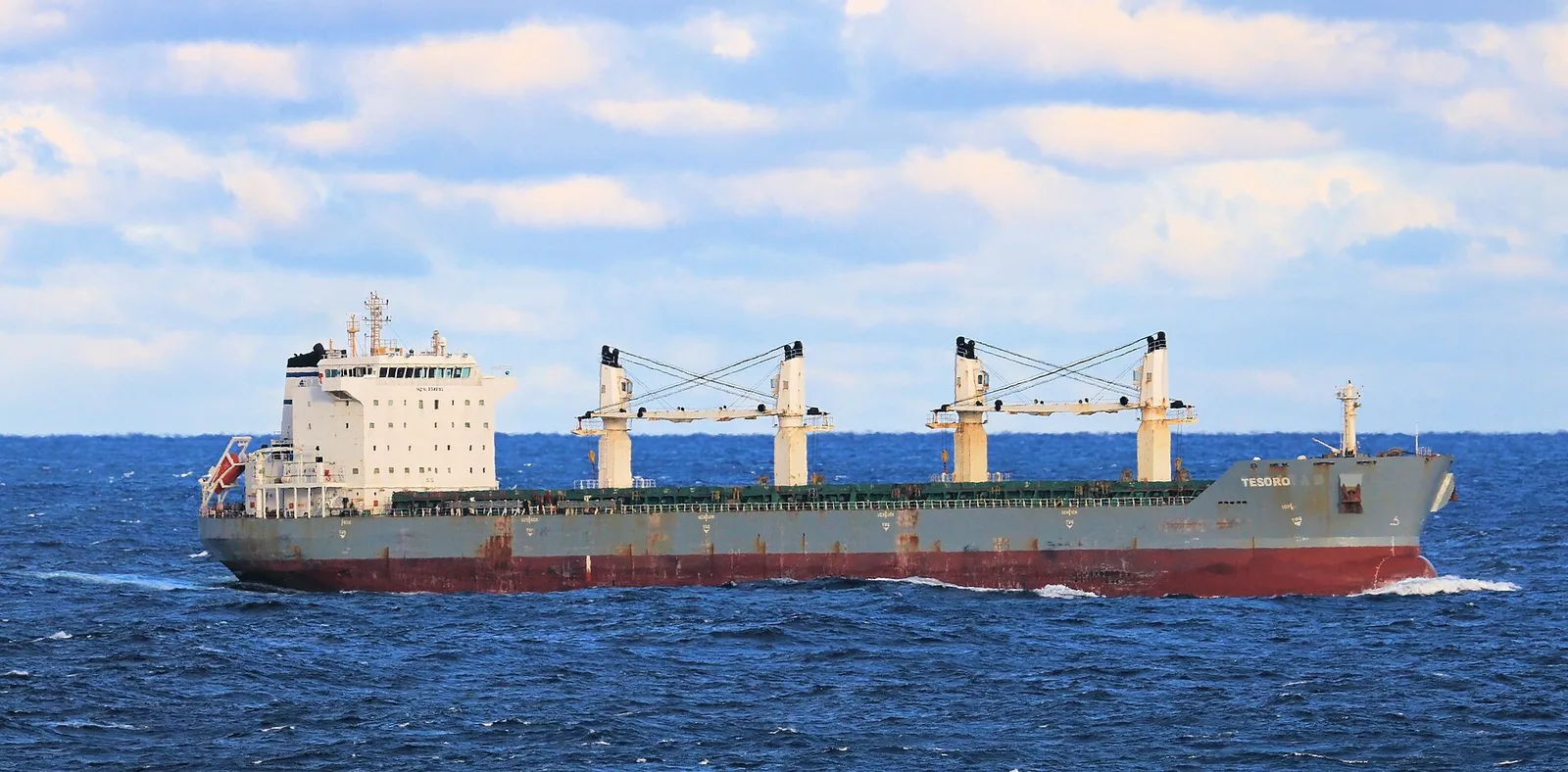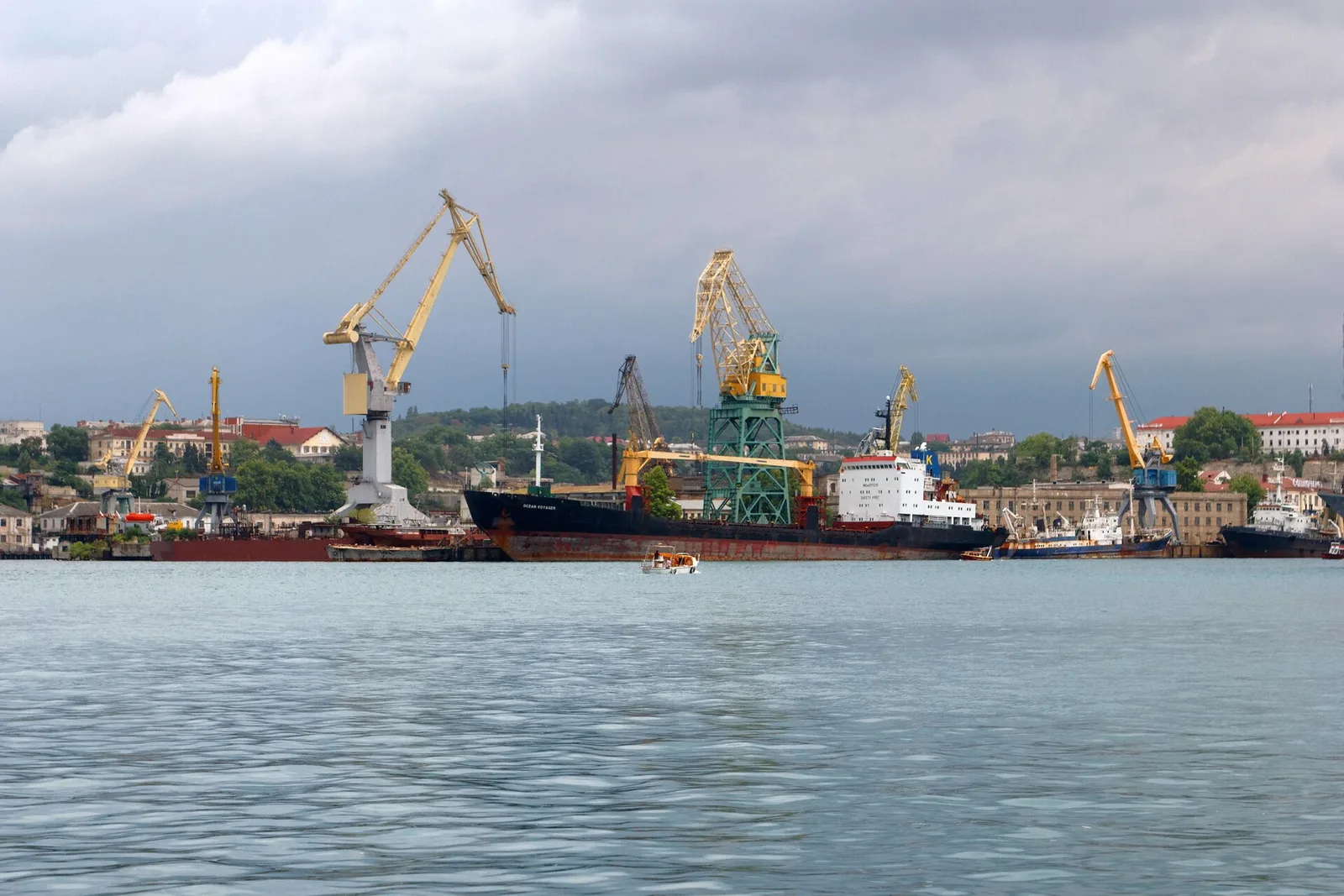
Between 160 and 200 of the roughly 450 port and maintenance workers at BHP's Port Hedland operations walked off the job for eight hours on July 16, from 2pm to 10pm local time. It was the first strike at the company's Pilbara export hub since 2000, and it came after a final five-hour bargaining session on July 14 ended without agreement, as Mining Weekly reported.
The walkout matters far beyond a single shift because Port Hedland is the sole outlet for all of BHP's Western Australian iron ore, a flow of around $80 million a day, with total Port Hedland shipments put near AU$150 million a day. The freight market proved the point before a single tonne was delayed: Capesize rates rallied hard on the threat of disruption, then handed most of the gains back within 48 hours.
Six months to a walkout
The four unions bargaining together as the Combined BHP Ports Unions announced the action on July 8, after roughly six months of failed negotiation over a new four-year enterprise agreement, according to industry reports. BHP shares fell 2.9% to AU$57.19 that day. The workers want a pay rise of $25,000 a year and point to a gap of up to $40,000 against BHP's South Flank and Mining Area C operations, where about 1,800 workers secured a 16% increase over four years.
"This is nobody's preferred way forward," ETU WA secretary Adam Woodage said when the action was announced. BHP said contingency plans were in place, and the stoppage landed on the same Thursday the company published its quarterly results. Bloomberg recorded it as the hub's first strike in 26 years. The parties return to the table on Tuesday July 21.
The freight round trip
On July 14, with the strike confirmed but not yet begun, the dry bulk freight index rose 0.7% to 2,980, its highest since early June, while the Capesize index printed 4,751 and average Capesize earnings gained $445 to $39,583 a day, according to benchmark assessments. Signal's week 27 report had tracked the build-up, with the Capesize index climbing 460 points week on week to 4,100 and then on to 4,655, and the C5TC average at $38,711 a day. The rally was never purely a Port Hedland story: escalation around Hormuz and restocking by Chinese steel mills pushed in the same direction.
The unwind was just as fast. By July 16, the day the stoppage actually ran, the dry bulk index had fallen 3% to 2,840, its lowest since July 6; the Capesize index had dropped 5.6% to 4,339; and Capesize earnings had shed $2,314 to $35,849 a day. An eight-hour stoppage that moved no meaningful tonnage put hundreds of points on the Capesize market and took them off again inside two days. The mid-sizes barely noticed: the Supramax index reached 1,730, its highest since August 2022, trading on fundamentals of its own.
One port, one railway
The episode is a clean case study in concentration risk. Every tonne of BHP's Western Australian iron ore moves down one railway to one harbour, so even a short stoppage forces charterers and derivatives desks to price a scenario in which the company's only gateway goes quiet. An explainer in The Conversation set out what is at stake ahead of the walkout. Part of the answer is structural: the Pilbara has operated essentially non-union for two decades, and a durable union foothold at the port would be the first crack in that arrangement. That prospect is why an eight-hour action drew a market response out of all proportion to the tonnage involved.
What to watch
The first marker is Tuesday July 21, when negotiations resume. A settlement near the unions' $25,000 figure would ripple through pay expectations across the Pilbara; another failure points to escalation, and the mid-July pattern suggests each round will be priced into Capesize paper and then stripped out as the physical impact proves small. The deeper question is whether organised labour converts one stoppage into a permanent presence at BHP's port operations. If it does, the market lesson of July 14 to 16 becomes standing policy: a recurring freight-risk premium on the most concentrated artery in the iron ore trade. The Supramax market's quiet strength is the useful control, evidence that dry bulk's mid-sizes can make their own weather while the big ships trade headlines.
Cover image: Kgbo, CC BY-SA 4.0, via Wikimedia Commons.
Cover image: Gordon Leggett, CC BY 4.0, via Wikimedia Commons.

As Editor in Chief of The Maritime, I lead content development, interviews, and digital storytelling across our multimedia maritime platform. With over 10 years of experience in the maritime industry, I create and publish in-depth stories and video features that highlight key players, emerging trends, and operational realities across global shipping. Before launching The Maritime, I worked as a Vessel Operator at Imza Marine A.S., gaining hands-on commercial shipping and voyage operations experience. I also served as Marketing Communications Specialist at Gimas Ship Supply & Services, where I managed corporate communication, digital strategy, and industry outreach for shipowners and maritime clients. I hold a Master’s degree in Maritime Transportation Management from Istanbul Technical University and a Master’s degree in Publishing from Marmara University. My work is driven by the belief that the maritime world deserves strong, informed, and accessible media representation. I am committed to sharing the stories of maritime professionals and contributing to the sector’s visibility, knowledge exchange, and future development.