Container ships carrying between 3.4 and 3.7 million TEU are riding at anchor off the world's ports, the deepest congestion in four years. Linerlytica counted 3.4 million TEU waiting on June 23; by early July the figure cited in a July 3 industry report had reached roughly 3.7 million TEU, about 11 percent of the global containership fleet, and a July 14 assessment put the total back near 3.4 million.
What makes this episode different is that it has no single villain. A strike ends with a signature and a hurricane passes in days, but the current queue is built from a heatwave in Rotterdam, a bridge in Hamburg, a tariff deadline in Taiwan and the schedule wreckage left by Cape of Good Hope routings, and none of those resolves on any one decision.
The map of the queues
North Asia accounts for about 38 percent of global congestion, North Europe about 13 percent, and Southeast Asia, the Mediterranean and Africa roughly 9 percent each, per Linerlytica figures. The worst-hit ports read like a volume league table: Shanghai, Ningbo, Yantian and Singapore in Asia; Antwerp, Hamburg and Rotterdam in Europe. Forwarders reported Shanghai berth delays of two to seven days in early June on fog and vessel bunching; by July 14, waits ran near three days with a further three to four days of dwell on top. On the European side, barge waits at Rotterdam and Antwerp stretch to four days, with export containers dwelling about seven days in Rotterdam and imports about four. Nhava Sheva adds vessel bunching, rail delays and trucking shortages to the list.
A different failure at every gate
Each region contributes its own bottleneck. Northern Europe's heatwave forced stoppages at Rotterdam terminals, with Hapag-Lloyd citing overheating equipment, hydration breaks for staff and IT outages. Hamburg is squeezed by the Kohlbrand Bridge bottleneck and suspended rail service to the Altenwerder terminal. Taiwan's Taipei and Keelung deteriorated as shippers rushed cargo out ahead of the July 24 US tariff deadline. Beneath the local stories run four structural currents: front-loading since mid-May, Cape routings that destroyed schedule regularity, German rail engineering works and equipment shortages across Asia. The Cape effect is the least visible and the most corrosive of the four: vessels sailing longer, irregular loops arrive outside their berthing windows, so terminals built around predictable weekly calls now face feast-and-famine arrival patterns that no amount of crane productivity can smooth. Industry figures show teu-mile demand growing 7.3 percent against fleet growth of 5.4 percent, a gap that congestion converts directly into queues.
The queue does the carriers' work
Eleven percent of the fleet at anchor is capacity discipline no alliance could engineer deliberately, absorbing slack precisely as general rate increases land. Drewry's World Container Index rose 9 percent to $4,530 in the week to July 2, per figures, with Shanghai to Genoa up 10 percent at $6,360 and Shanghai to Rotterdam up 7 percent at $4,682. Xeneta's June 25 assessment put Far East to North Europe spot rates at $4,763 per FEU, up 65 percent month on month, and Far East to Mediterranean at $6,044, up 40 percent. The Shanghai Containerized Freight Index priced Shanghai to North Europe at $3,158 per TEU in early July. Linerlytica called it "the strongest rate ascent since the Red Sea diversions." Carriers are feeding the squeeze rather than fighting it: Maersk has cut capacity on its NE3/AE3 Asia to Europe service by 5,000 TEU per week.
The number to watch
The anchorage total is now the single most consequential figure in container shipping, and the question is whether it breaks before or after July 24. If the queues unwind ahead of the US tariff deadline, released capacity meets still-firm demand and the market can absorb it. If they unwind after, the same capacity floods back just as front-loaded volumes fade, and the rate structure the congestion built comes down with it. Forecasters' warnings over Typhoon Bavi threatening East Asian ports in mid-July could push the break later still. Either way, the ports, not the carriers, are setting the clock.
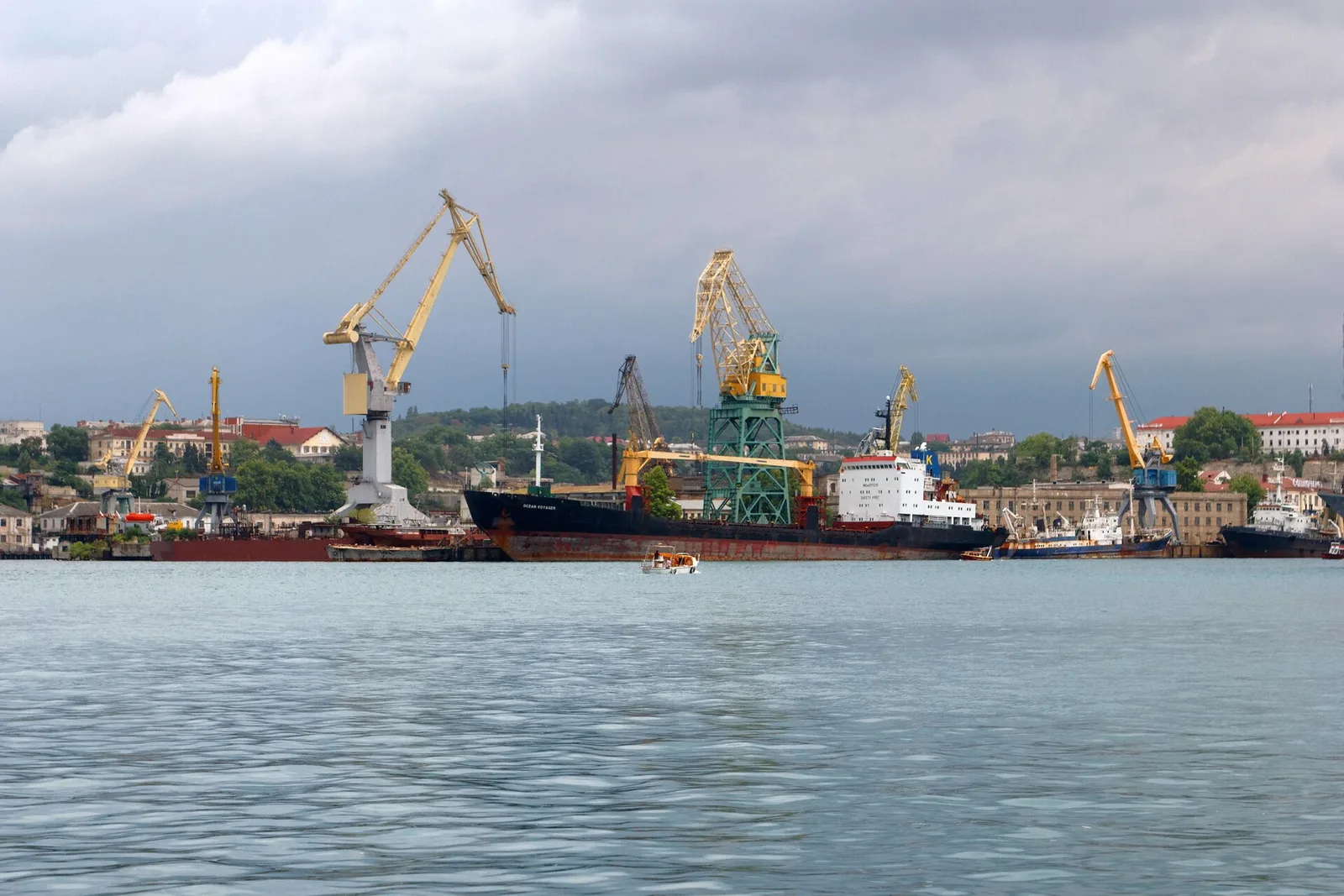
Cover image: Carsten Steger, CC BY-SA 4.0, via Wikimedia Commons.
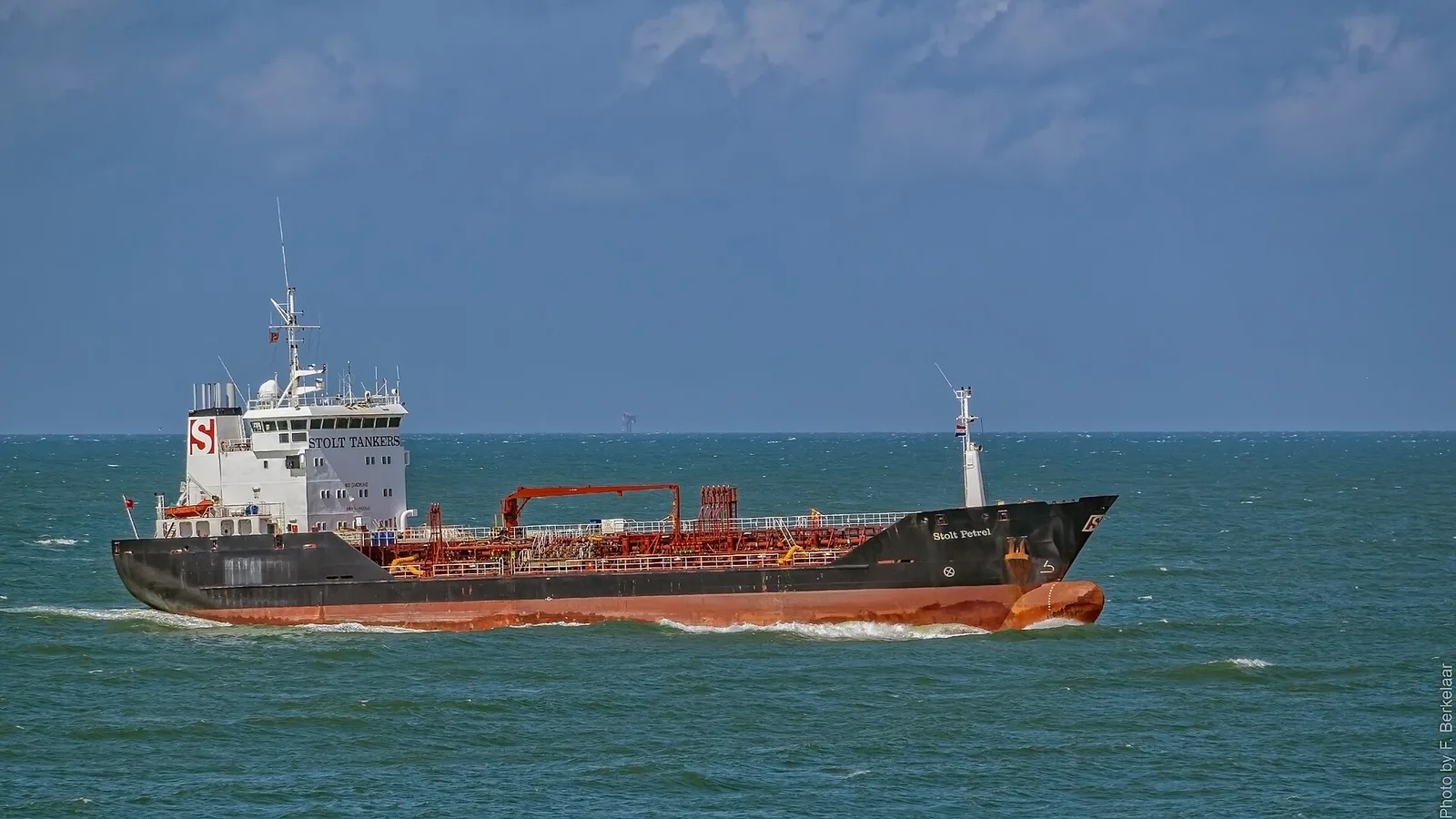
Cover image: Gordon Leggett, CC BY 4.0, via Wikimedia Commons.

As Editor in Chief of The Maritime, I lead content development, interviews, and digital storytelling across our multimedia maritime platform. With over 10 years of experience in the maritime industry, I create and publish in-depth stories and video features that highlight key players, emerging trends, and operational realities across global shipping. Before launching The Maritime, I worked as a Vessel Operator at Imza Marine A.S., gaining hands-on commercial shipping and voyage operations experience. I also served as Marketing Communications Specialist at Gimas Ship Supply & Services, where I managed corporate communication, digital strategy, and industry outreach for shipowners and maritime clients. I hold a Master’s degree in Maritime Transportation Management from Istanbul Technical University and a Master’s degree in Publishing from Marmara University. My work is driven by the belief that the maritime world deserves strong, informed, and accessible media representation. I am committed to sharing the stories of maritime professionals and contributing to the sector’s visibility, knowledge exchange, and future development.