The maritime sector has entered a new phase of disruption as the ClarkSea Index, which tracks average daily earnings across tankers, bulk carriers, containerships and gas carriers, surged above USD 30,000 per day for the first time since 2022.
According to ship-broker Clarksons Research metrics, the index reached USD 30,461/day on Friday after advancing roughly 5% week-on-week, and now sits more than 50% above its 10-year trend.
The rise follows the enactment of reciprocal port-fee regimes by the United States and China. On October 14, 2025, the U.S. began collecting additional fees on Chinese-linked vessels, and on the same day China launched a special charge of RMB 400 (around USD 56) per net ton on U.S.-owned, U.S.-operated, U.S.-built, or U.S.-flagged vessels calling Chinese ports.
What’s driving the surge?
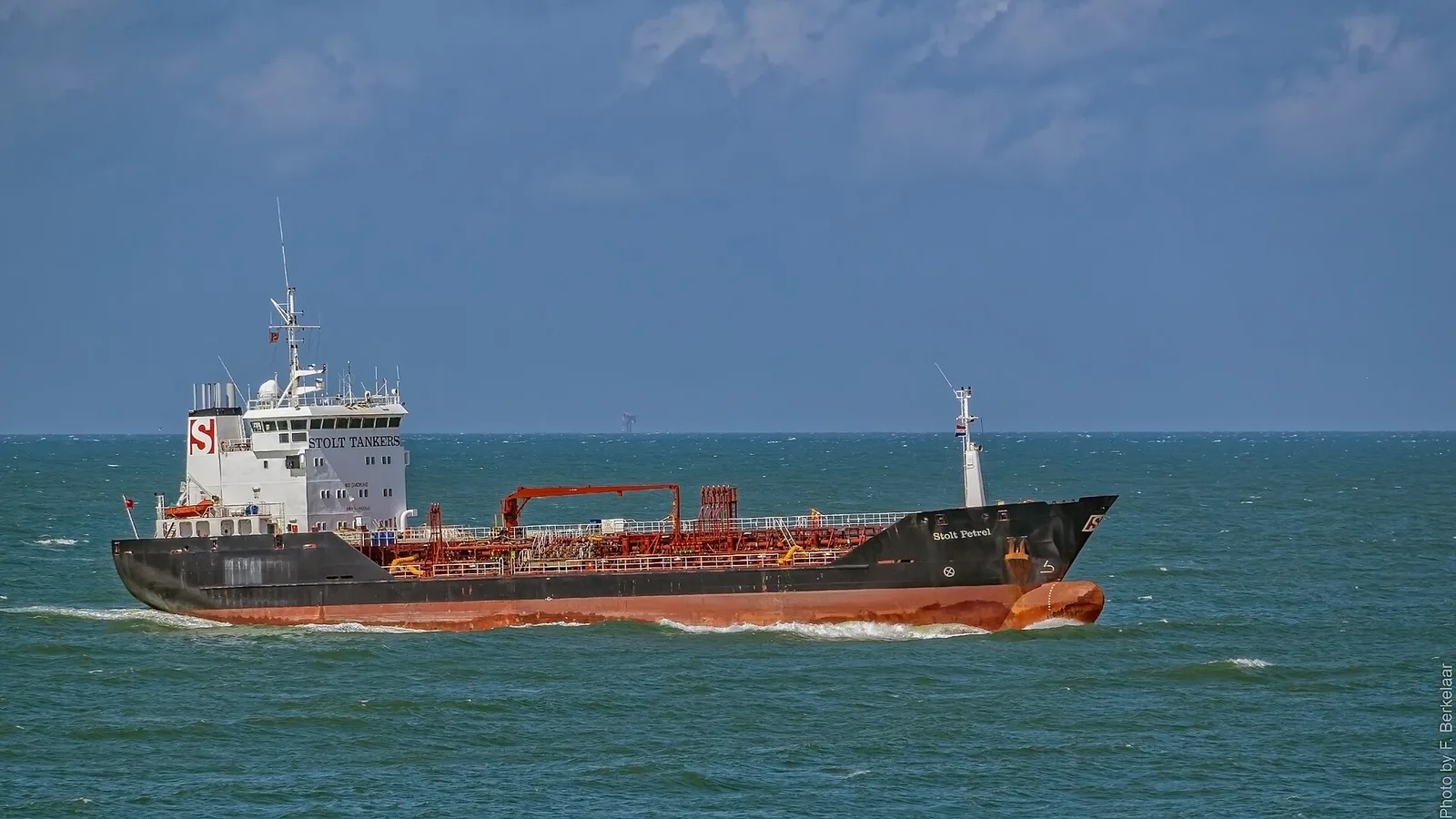
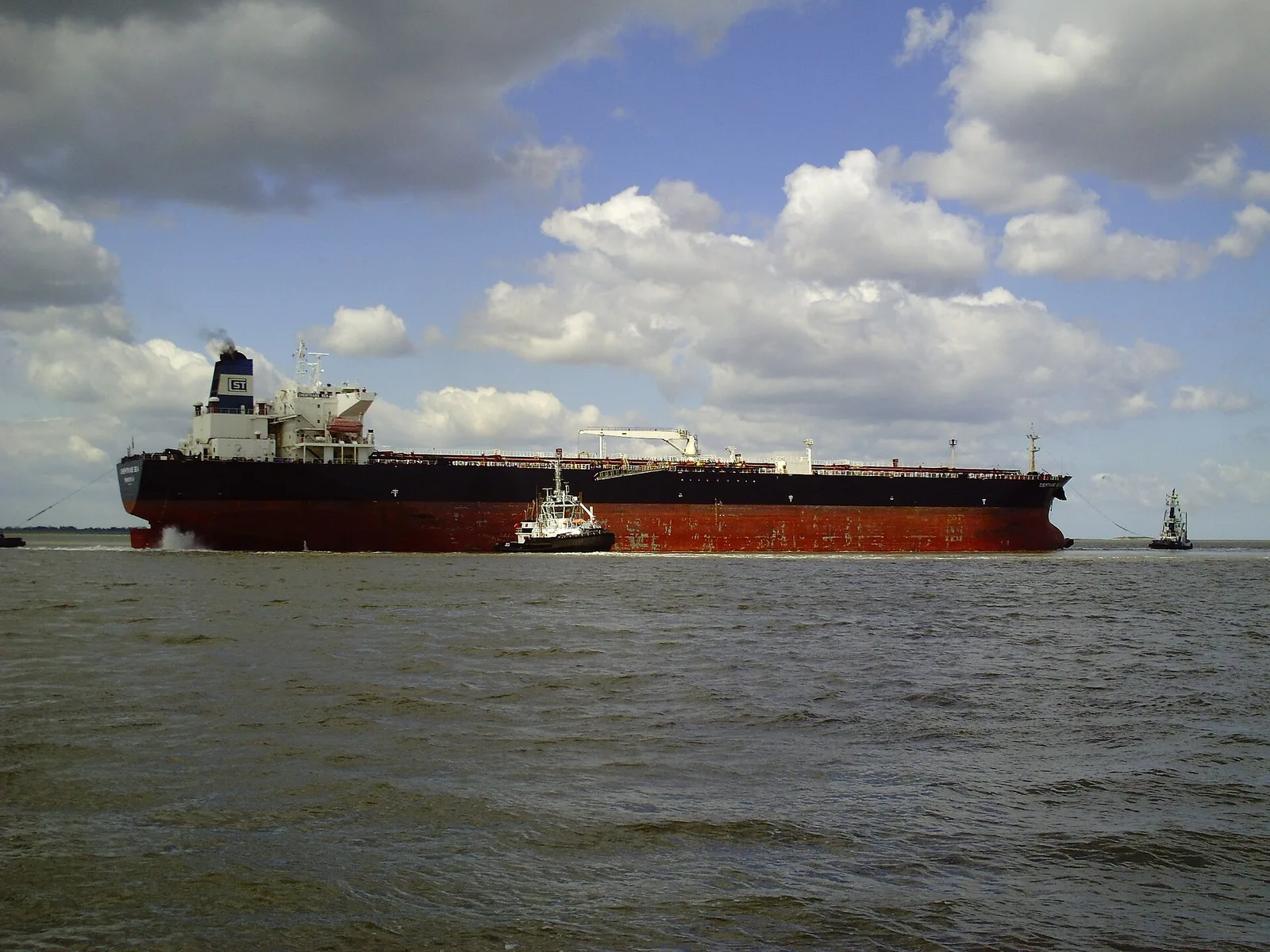
The sudden jump in earnings across shipping segments arises from a combination of cost and availability shocks. When vessels face new charges or avoid certain routes to circumvent the fees, the effective supply of available tonnage in specific corridors tightens. For example, in the tanker market, average earnings for very large crude carriers (VLCCs) rose roughly 10% to USD 90,000/day, while medium-range (MR) product tankers saw a jump of about 44% to USD 25,000/day.
In the container sector, spot freight rates were boosted as carriers adjusted routing and blanked sailings to mitigate cost exposure. The Shanghai Containerized Freight Index (SCFI) rose about 13% week-on-week to approximately 1,310 points.
Analysts at Clarksons estimate that while only 1%-3% of the global fleet by number (or 2%-7% of world cargo tonnage) might be directly impacted by the new levies when calling China, these figures are enough, in a tight market, to cause meaningful disruption and rate escalation.
Impacts on shipping companies and markets
Shipping companies with vessels flagged, owned, or operated under the affected jurisdictions now face a cost-shock and potential rerouting burden. Vessels avoiding Chinese ports (or U.S. ports) to dodge fees can reduce effective capacity and drive up charter and freight rates for those remaining. For carriers of all stripes, this means heightened charter costs, route risk, and operational complexity.
Conversely, ship-owners whose vessels are exempt (for example, Chinese-built ships excluded from China’s levy) may gain a competitive advantage in access to certain ports, reinforcing charter-preference shifts in the market.
For example, major global container lines have already adjusted operations, switching China-linked ships out of U.S. trades to avoid fees.
Broader implications and outlook
With the ClarkSea Index now elevated, the shipping market is signaling that even relatively modest fleet disruption (affecting 1-3% of vessels) can lead to outsized earnings effects when supply is already constrained. The ripple effect could extend to higher freight costs, extended transit times, and elevated logistics inflation, pressures that may ultimately be passed down to shippers and consumers.
If the port-fee standoff persists or expands, further rate escalation is plausible. However, any relaxation of the measures, or successful rerouting strategies, could ease the squeeze. The key variables to watch include how many vessels are genuinely diverted or excluded, changes in deployment behaviour, and how rapidly charter-rates react to bottlenecks.

As Editor in Chief of The Maritime, I lead content development, interviews, and digital storytelling across our multimedia maritime platform. With over 10 years of experience in the maritime industry, I create and publish in-depth stories and video features that highlight key players, emerging trends, and operational realities across global shipping. Before launching The Maritime, I worked as a Vessel Operator at Imza Marine A.S., gaining hands-on commercial shipping and voyage operations experience. I also served as Marketing Communications Specialist at Gimas Ship Supply & Services, where I managed corporate communication, digital strategy, and industry outreach for shipowners and maritime clients. I hold a Master’s degree in Maritime Transportation Management from Istanbul Technical University and a Master’s degree in Publishing from Marmara University. My work is driven by the belief that the maritime world deserves strong, informed, and accessible media representation. I am committed to sharing the stories of maritime professionals and contributing to the sector’s visibility, knowledge exchange, and future development.