An electrical fire deep below deck on the container ship ONE Henry Hudson triggered a major emergency at the Port of Los Angeles on the evening of 21 November, forcing the evacuation of all 23 crew, shutting four container terminals and prompting a shelter-in-place order for nearby communities. According to the Los Angeles Fire Department and port authorities, the blaze began around 6:38 p.m. while the 336-meter ship was berthed at Yusen Container Terminal in San Pedro, quickly spreading through several lower decks and cargo areas.
LAFD and local media report that crew first raised the alarm about an “electrical fire” below deck, describing arcing and smoke from internal systems before flames extended into adjacent spaces. [People.com+1](https://people.com/large-fire-on-cargo-ship-at-port-of-los-angeles-causes-major-emergency-11855249) The official cause remains under investigation by a Unified Command led by the U.S. Coast Guard, but early indications point to a failure in shipboard electrical equipment or cabling rather than an external ignition source. Investigators are now examining machinery spaces, distribution panels and cable runs, while also cross-checking cargo manifests for any dangerous goods that could have intensified the fire.
Explosion, hazardous cargo and port disruption
Shortly after firefighters boarded the vessel, a mid-ship explosion knocked out lighting and crane power, forcing Unified Command to abandon interior attacks and shift to heavy water streams from engines and fireboats alongside the pier. [The Sun](https://www.the-sun.com/news/15532165/inferno-rips-cargo-ship-hazardous-material-explosion/?utm_source=chatgpt.com) Roughly 100 containers are believed to have been burned or heat-damaged, with authorities warning that some likely held hazardous materials such as lithium-ion batteries, prompting continuous air monitoring even after visible flames subsided. A water safety zone and temporary no-fly zone were established around the ship, while operations at four of the port’s seven container terminals were suspended overnight before gradually resuming once the vessel was moved offshore and the fire was substantially contained.
In the early hours of 22 November, Unified Command coordinated a high-risk maneuver to undock the burning ONE Henry Hudson and tow it beyond the breakwater to an anchorage roughly one nautical mile off Angels Gate, maintaining firefighting, stability checks, and air-quality monitoring throughout the transit. Residents of San Pedro and Wilmington had been instructed to stay indoors with windows closed as a precaution, but the shelter-in-place order was lifted later that morning after air samples remained within normal ranges and the ship was safely positioned away from populated areas. No injuries have been reported among the crew or first responders.
ONE Henry Hudson, built in 2008 and sailing under the flag of Panama, is a Neo-Panamax container ship of about 98,700 gross tons with a nominal capacity of just over 8,200 TEU, regularly employed on trans-Pacific services into Southern California. The incident comes as the Port of Los Angeles targets another year above 10 million TEU, keeping its status as the busiest container gateway in the Americas and underscoring how a single casualty alongside can interrupt a large share of U.S. container flows in a matter
Wider pattern of container-ship fires
Allianz’s *Safety and Shipping Review 2025* notes that global shipping recorded 250 fire or explosion incidents in 2024, a 20% year-on-year increase and the highest total for at least a decade, with container, cargo, and ro-ro ships accounting for a significant share of those events. In parallel, the World Shipping Council’s revived cargo-inspection data show that 11.39% of inspected shipments in 2024 had safety deficiencies, including mis-declared or undeclared dangerous goods, incorrect documentation, and improper packing, all of which are known triggers for severe shipboard fires. In response, the WSC has launched an industry-wide Cargo Safety Program aimed at improving the detection of risky cargo before it is loaded.
The ONE Henry Hudson blaze reinforces several prevention priorities already highlighted in recent risk reports. First, robust electrical maintenance and monitoring regimes are essential on aging container tonnage, where machinery damage and electrical faults remain key causes of incidents. Second, terminal operators and carriers need tighter digital integration of manifests and dangerous-goods data so firefighters and salvage teams can see, in real time, what is stored in each bay when a fire erupts. Third, enhanced fixed detection and firefighting systems in cargo holds and below-deck spaces can provide earlier warnings and more targeted suppression, reducing the need for personnel to enter confined, smoke-filled compartments. Finally, regular joint drills between ship crews, port authorities and coastal agencies, such as the Unified Command model used off Los Angeles, shorten decision times on critical moves like towing a casualty away from dense urban waterfronts.
For now, firefighting has shifted from municipal fireboats to contracted salvage tugs, which continue cooling and cargo removal under Coast Guard oversight while naval architects monitor the ship’s stability offshore. A full investigation will determine the exact electrical failure that sparked the blaze, the extent of cargo and structural damage, and whether any undeclared hazardous materials played a role. Whatever its final findings, the ONE Henry Hudson incident will intensify pressure on carriers, regulators and ports to accelerate cargo-safety initiatives and shipboard fire-safety upgrades before the next container-ship emergency threatens lives and critical trade corridors.
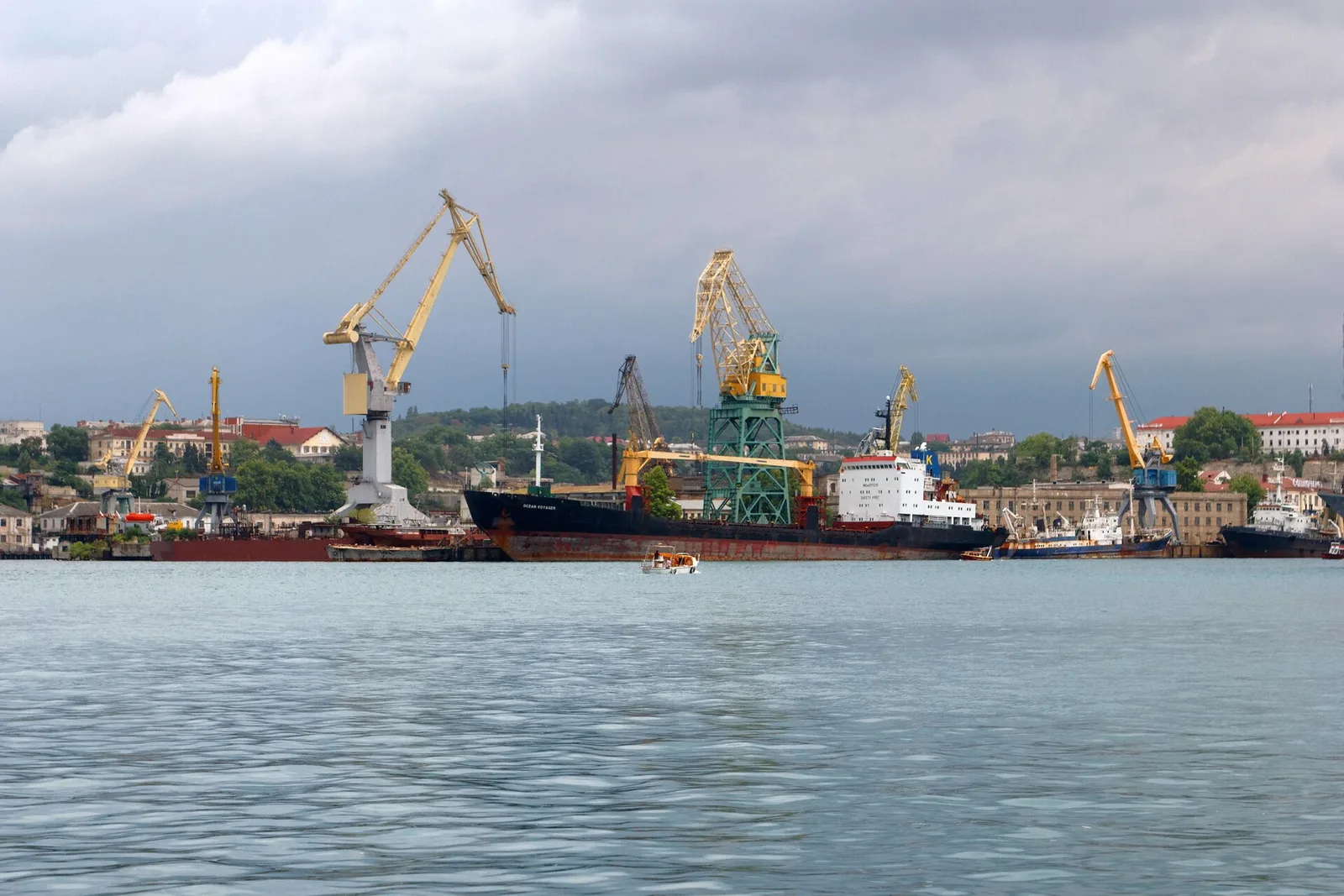
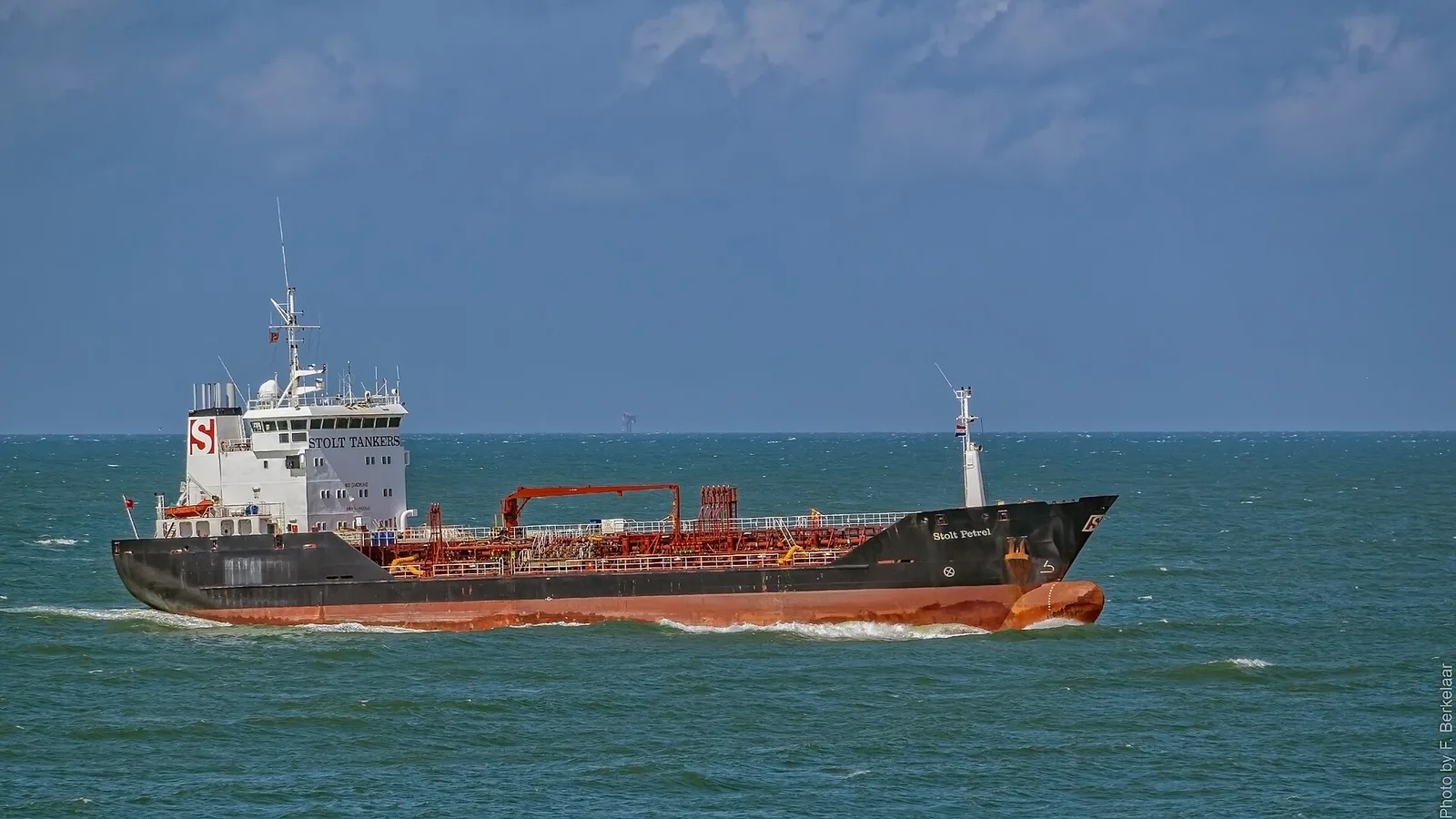
Cover image: Jennifer Woodard Maderazo from Barcelona, Spain, CC BY 2.0, via Wikimedia Commons.