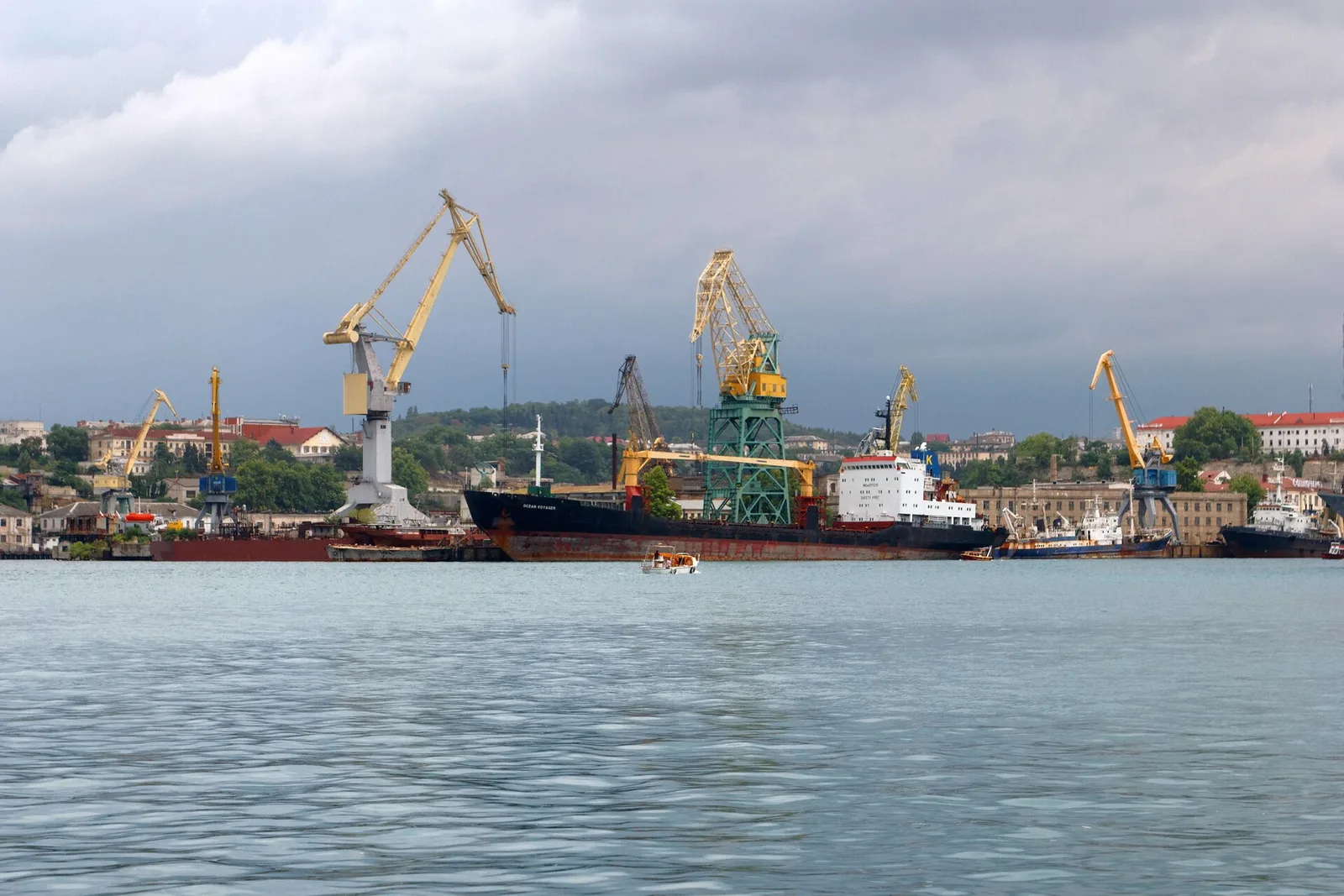
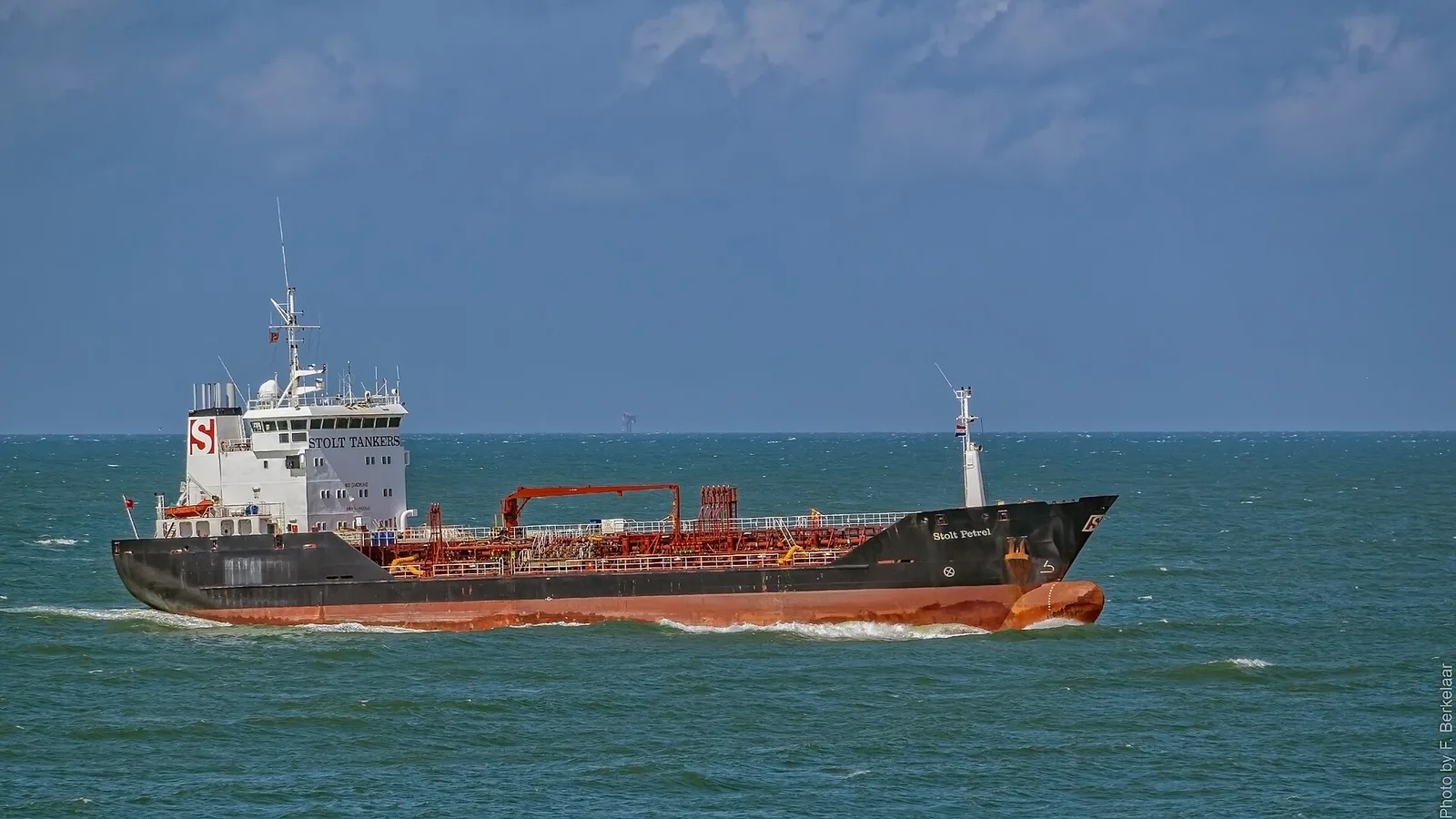
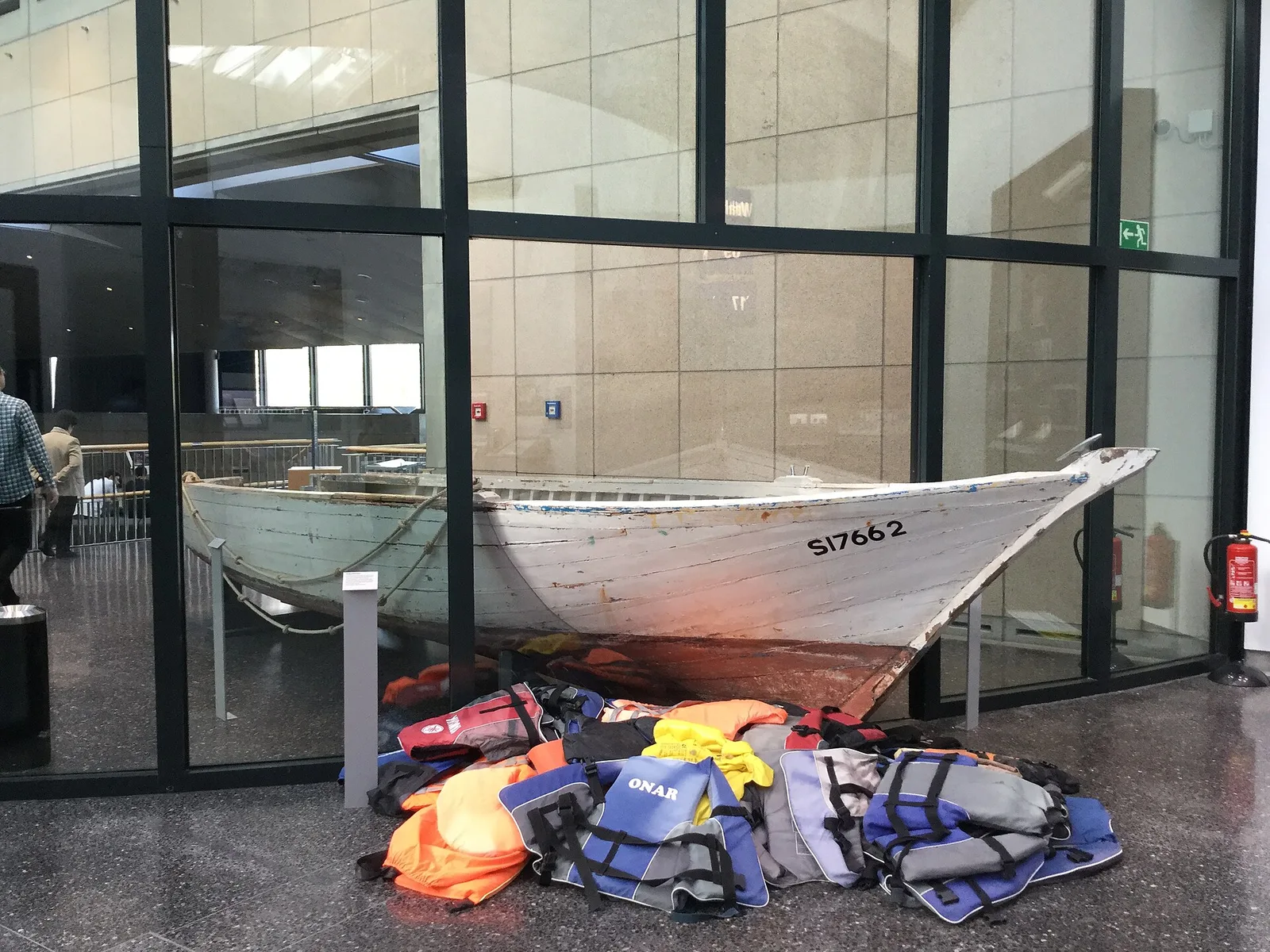
The Baltic Sea has become one of Europe’s most closely watched waterways as Russian “shadow fleet” tankers, suspected sabotage of subsea infrastructure and tightened NATO patrols intersect in a confined sea loaded with power cables, data links and energy trade routes. A network of ageing oil carriers built to dodge G7 and EU price caps now sits at the centre of a struggle over energy security, digital connectivity and freedom of navigation.
RISING PRESSURE IN A NARROW SEA
Recent confrontations show how volatile enforcement has become. In May 2025, the tanker Jaguar entered Estonia’s exclusive economic zone, ignored repeated radio calls, and was treated by Tallinn as effectively stateless under the UN Convention on the Law of the Sea. Estonian forces moved to board until Moscow sent a fighter jet that briefly crossed into NATO airspace, forcing them to stand down. Reuters and Estonian media describe the episode as a clear signal that Russia is prepared to back its sanctions-busting trade with military power close to allied waters.
Behind that standoff lies a structural shift in tanker markets. Research cited by the European Parliamentary Research Service and a 2024 article in the journal Applied Sciences estimate that Russia has spent more than USD 10 billion building a fleet of over 600 largely elderly tankers, many re-flagged to lenient registries and operating outside top-tier Western insurance. When vessels tied to Iran and Venezuela are added, the wider shadow fleet now numbers more than 1,000 tankers, roughly a fifth of the world’s tanker pool. Recent market reporting shows that tougher EU, UK, and US sanctions have slowed the purchase of additional ships in 2025, yet a large inventory of high-risk tonnage still trades from Russian ports and crosses the Baltic each month.
The Estlink 2 case turned the shadow-fleet issue from a sanctions story into a critical-infrastructure crisis. On 25 December 2024, an electricity interconnector and four telecom cables between Finland and Estonia failed almost simultaneously. Investigators later mapped a 90 to 100 kilometre scar on the seabed and linked it to the Eagle S, a Cook Islands-flagged product tanker associated with the shadow fleet that allegedly dragged its anchor across the route. Finnish authorities boarded the ship, found it carried no valid insurance at the time, and opened a criminal probe; prosecutors estimate repair costs at about EUR 60 million, with the outage driving up power prices for Estonia until temporary workarounds were in place. The episode confirmed that shadow-fleet traffic can threaten not only environmental safety but also the resilience of Baltic energy and data networks that serve EU markets.
MARITIME LAW STRETCHED BY HYBRID THREATS
Because the Estlink 2 damage occurred outside Finland’s territorial sea, the Eagle S proceedings have become a test case for how far coastal states can push jurisdiction under the UN Convention on the Law of the Sea. A detailed analysis of the European Journal of International Law’s EJIL: Talk! The platform argues that Finland’s decision to anchor criminal jurisdiction to the location of critical infrastructure, rather than to strict distance from shore, could narrow the legal grey zone currently exploited by saboteurs dragging anchors across cables and pipelines. If higher courts endorse that logic, other Baltic countries are likely to use the same approach in future cases, strengthening the legal basis for prosecuting deliberate damage to undersea assets linked to suspicious shipping.
European policy is shifting from ad hoc crisis response to structured protection of underwater networks. The EU’s 2025 Action Plan on Submarine Cable Security and its broader Critical Infrastructure Blueprint call for shared situational awareness of seabed networks, baseline resilience standards, and faster cross-border repair arrangements when cables or interconnectors fail. Baltic coastal states now combine AIS ship-tracking data with seabed monitoring and satellite imagery to flag abnormal anchor behaviour near critical routes.
NATO, influenced by incidents in both the Baltic and North Sea, has stepped up dedicated activities to monitor key pipelines and cables and is testing uncrewed surface and underwater systems for persistent surveillance of seabed assets. Recent studies from the Carnegie Endowment and the European Policy Centre frame the Baltic as a laboratory where navies, regulators, and energy firms learn to defend infrastructure jointly, instead of in separate silos.
The turmoil is already reshaping commercial practice. War-risk premiums and compliance checks are higher for voyages calling at Russian Baltic ports, and several European terminals now demand granular ownership and insurance documentation from tankers whose trading patterns resemble shadow-fleet behaviour. Analysts at Lloyd’s List and other maritime outlets warn that many such vessels lack robust pollution cover, so coastal states and mainstream insurers would likely bear most costs if an ageing sanctions-busting ship caused a major spill or collision in the confined Baltic Sea. Maritime analytics firms such as Windward and Vortexa have also documented increased AIS manipulation and “going dark” episodes near sensitive corridors, complicating traffic management and emergency planning for search and rescue.
The Baltic Sea is now a template for handling hybrid threats at sea rather than a contained regional dispute. The same combination of sanctions-busting fleets, exposed seabed infrastructure, and narrow chokepoints is shaping planning in the eastern Mediterranean, the Black Sea, and other congested routes. Debates in Europe and NATO over how to treat suspicious but nominally flagged tankers, how far to extend coastal-state jurisdiction over infrastructure damage, and how to share the costs of monitoring and repair will flow directly into emerging global standards and into the risk models used by shipowners, charterers, and insurers worldwide.
For the maritime industry, opaque fleets have moved from the margins of risk analysis to the centre of a strategic contest that can redraw routes, reshape insurance markets, and challenge long-standing assumptions about freedom of navigation in high-traffic seas.

As Editor in Chief of The Maritime, I lead content development, interviews, and digital storytelling across our multimedia maritime platform. With over 10 years of experience in the maritime industry, I create and publish in-depth stories and video features that highlight key players, emerging trends, and operational realities across global shipping. Before launching The Maritime, I worked as a Vessel Operator at Imza Marine A.S., gaining hands-on commercial shipping and voyage operations experience. I also served as Marketing Communications Specialist at Gimas Ship Supply & Services, where I managed corporate communication, digital strategy, and industry outreach for shipowners and maritime clients. I hold a Master’s degree in Maritime Transportation Management from Istanbul Technical University and a Master’s degree in Publishing from Marmara University. My work is driven by the belief that the maritime world deserves strong, informed, and accessible media representation. I am committed to sharing the stories of maritime professionals and contributing to the sector’s visibility, knowledge exchange, and future development.