The EU's 21st sanctions package against Russia, presented by Commission President Ursula von der Leyen on June 9 with the aim of adoption before July 15, remains stuck. As of July 14 the 27 member states had not reached the unanimity the package requires, with reservations lodged over the entry ban on former Russian combatants, fisheries measures and parts of the oil and gas provisions.
The stall matters because the proposal's central idea is new. Rather than simply listing more tankers, it goes after the ecosystem that keeps Russia's shadow fleet running: bunker suppliers, service providers, ports and refineries. And while Brussels argues, the enforcement gap is visible at sea, where two sanctioned tankers are crossing European waters under false Malian flags.
Sanctioning the ecosystem, not just the ships
The package adds around 30 shadow fleet vessels, lifting the EU's list past 660 according to industry reports, while Euronews counted 632 vessels already listed and more than 600 already barred from EU ports. For the first time the EU would designate the businesses that bunker, refuel and service the fleet, impose transaction bans on two Russian ports and four airports, blacklist ports and refineries serving shadow fleet vessels, and restrict sales of LNG tankers to Russia. The financial arm reaches dozens of Russian banks and 11 crypto platforms, with export controls on some 50 companies in China, Türkiye, Kyrgyzstan, Kazakhstan, the UAE and India, a first ban on some Russian seafood, and a Schengen entry ban on former Russian soldiers.
Foreign policy chief Kaja Kallas framed the ambition at the launch: "Brick by brick, we are collapsing the foundations of Russia's war economy."
Our sanctions are working. They are weakening the economic foundations of Russia's war effort. Today we double down. With a 21st package. Covering energy, banks and crypto, trade including fisheries and visa for Russian soldiers
@vonderleyen June 9, 2026
A price cap frozen by Hormuz
Buried in the package is the clearest sign yet that the Middle East war is shaping Europe's Russia policy. The proposal freezes the oil price cap at $44.10 per barrel until January 2027, cancelling the review that had been scheduled for July 15. With attacks in the Strait of Hormuz driving crude sharply higher, a formula-based review risked lifting the cap and handing Moscow a revenue windfall. Freezing it converts the Hormuz spike into tighter, not looser, pressure on Russian export earnings. The Commission set out its framing of the package in its June 9 statement.
Designation without interdiction
The Council salvaged an interim result on June 15, adopting a mini package of 81 listings covering 34 individuals and 47 entities across the military-industrial complex, the shadow fleet and Navalny-related accountability. By mid-July the main text had been softened, roughly 250 further names were being weighed, and foreign ministers approved separate human rights and cyber measures instead, with Kallas conceding there was still no agreement.
Meanwhile the tankers Glory Ocean and Bright Ocean, both sanctioned, are sailing from China toward Belokamenka under false Malian flags, transiting Irish, British, Danish and Norwegian waters with modules likely destined for the Arctic LNG 2 or Murmansk LNG projects, EUobserver reported on July 14. The contrast with London is hard to miss. On June 14 Royal Marines boarded and seized the tanker Smyrtos in the English Channel; the EU, with more than 600 vessels designated, has no comparable interdiction instrument. Designation without interdiction is a list, not a barrier.
The road ahead
Adoption is the first marker: every week of delay past the July 15 target advertises how hard unanimity has become by package number 21, and the final text will show which measures survived the softening. The second is enforcement: whether any coastal state along the false-flag pair's route follows the British and French examples and moves from monitoring to stopping. The third is the cap itself: if Hormuz normalizes and crude retreats, the $44.10 freeze will bite Russian revenue harder in real terms, and pressure to revisit it will arrive from the opposite direction. And if the ecosystem approach survives negotiation, it hands London and Washington a template, since denying services may scale better than chasing hulls one designation at a time.
Cover image: Dati Bendo / European Union, 2025 / EC - Audiovisual Service, CC BY 4.0, via Wikimedia Commons.
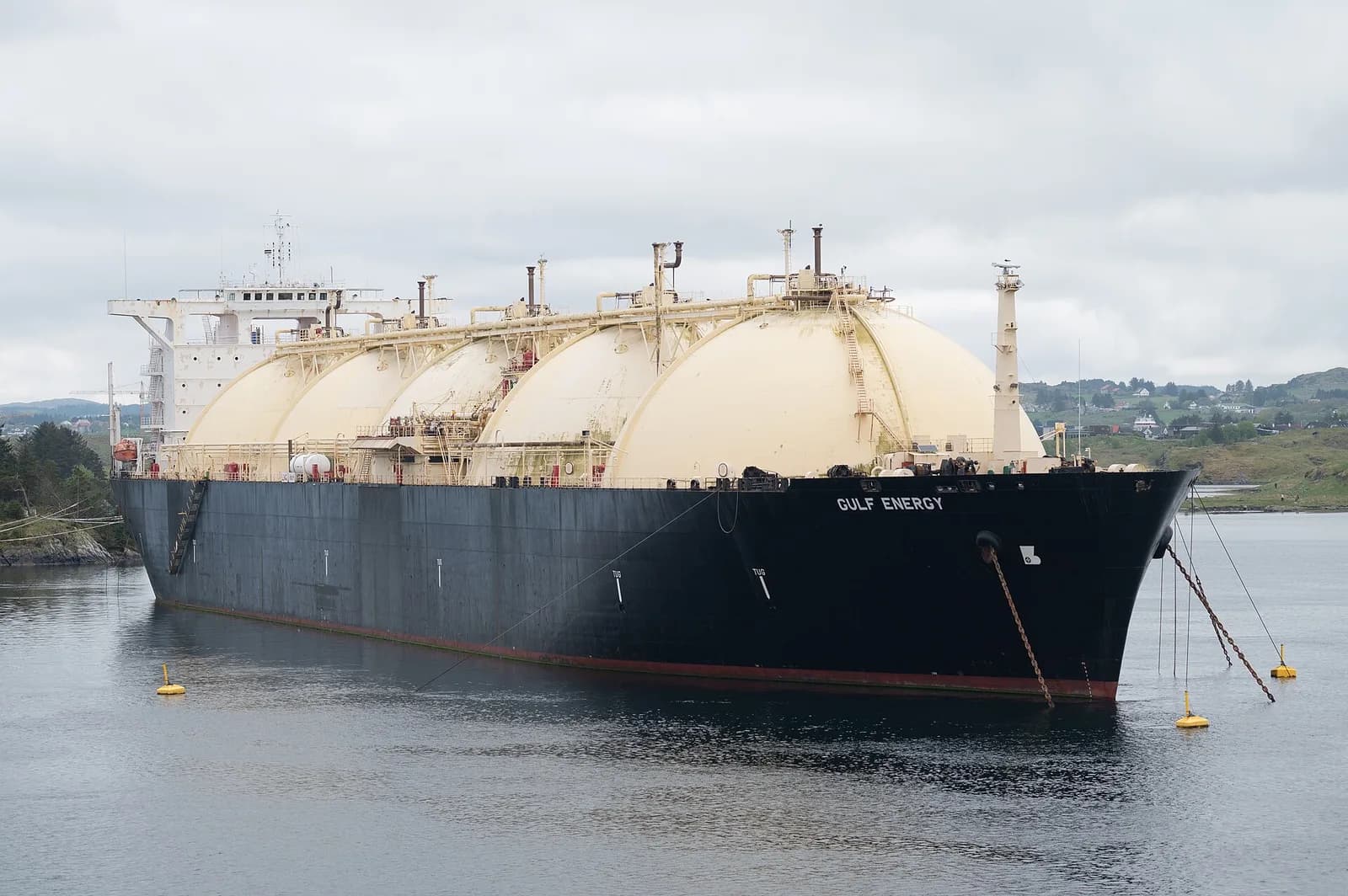
Cover image: Gordon Leggett, CC BY-SA 4.0, via Wikimedia Commons.

As Editor in Chief of The Maritime, I lead content development, interviews, and digital storytelling across our multimedia maritime platform. With over 10 years of experience in the maritime industry, I create and publish in-depth stories and video features that highlight key players, emerging trends, and operational realities across global shipping. Before launching The Maritime, I worked as a Vessel Operator at Imza Marine A.S., gaining hands-on commercial shipping and voyage operations experience. I also served as Marketing Communications Specialist at Gimas Ship Supply & Services, where I managed corporate communication, digital strategy, and industry outreach for shipowners and maritime clients. I hold a Master’s degree in Maritime Transportation Management from Istanbul Technical University and a Master’s degree in Publishing from Marmara University. My work is driven by the belief that the maritime world deserves strong, informed, and accessible media representation. I am committed to sharing the stories of maritime professionals and contributing to the sector’s visibility, knowledge exchange, and future development.