Brussels, Oct 20 2025, The European External Action Service (EEAS) is pressing for a new maritime declaration designed to allow EU member states to board and inspect vessels belonging to Russia’s so-called “shadow fleet” of oil tankers. The move is part of a broader push to cut off Russia’s oil revenues, tied to its war in Ukraine, while also addressing what officials describe as mounting risks to maritime safety and governance.
Why the EU wants this inspection regime
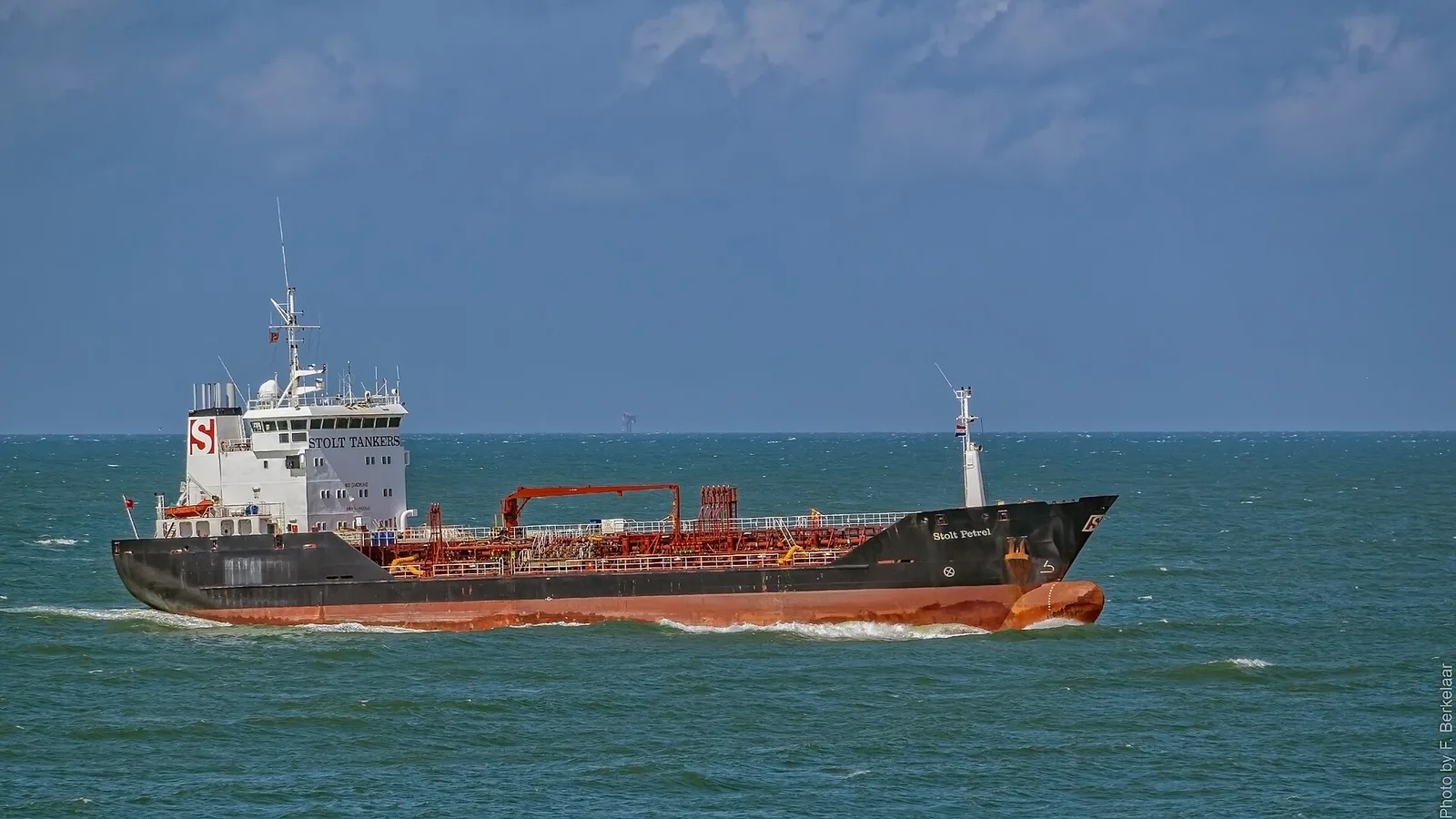
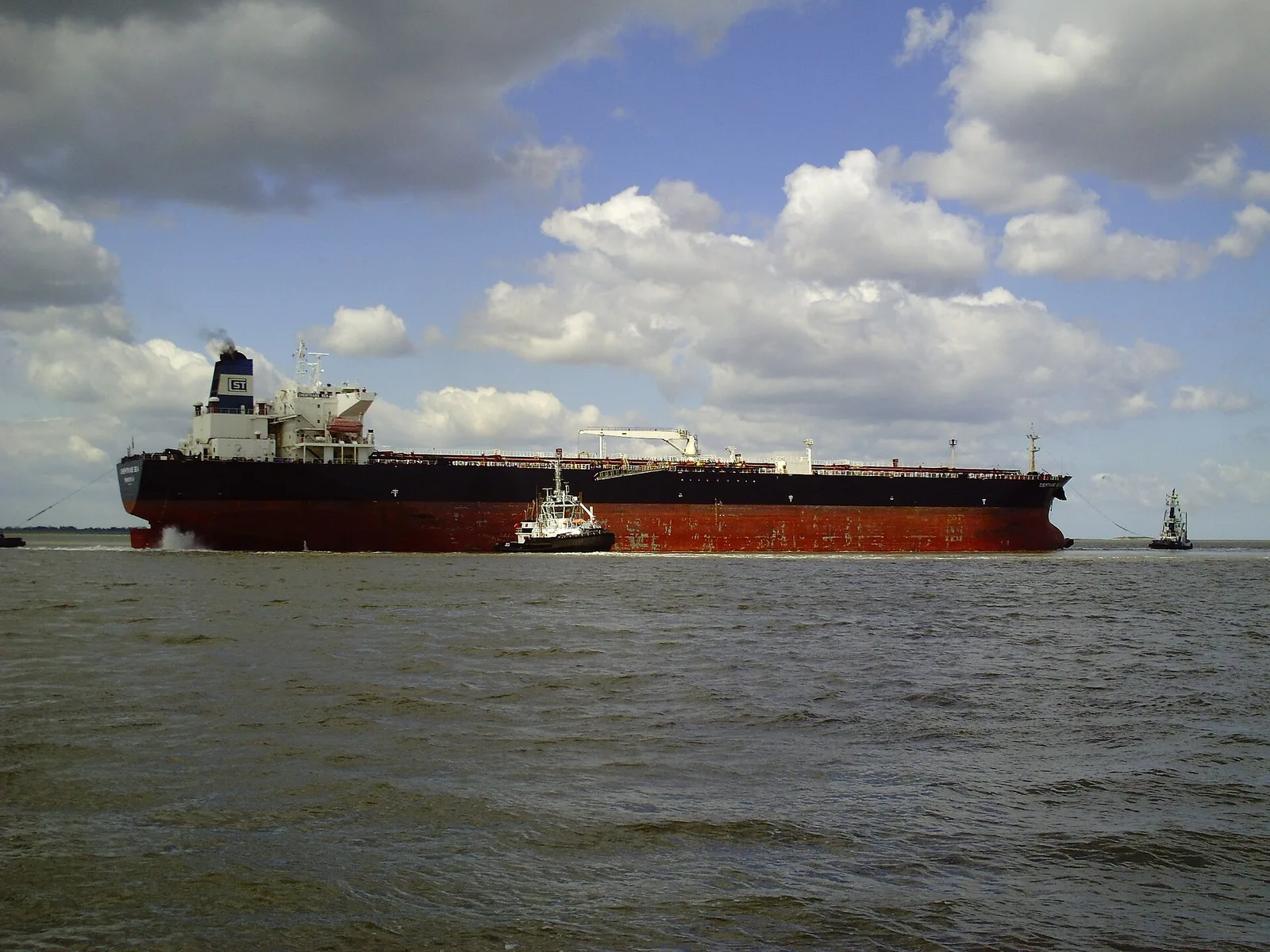
The “shadow fleet”, an array of older, opaque vessels used to circumvent sanctions, often changing flags or disabling tracking systems, has become a pressing concern for policymakers. By enabling pre-authorised inspections in cooperation with flag states, the EU hopes to:
- Disrupt Russia’s ability to monetise its oil and gas exports despite Western embargoes and the G7/EU oil price cap. Research shows that sanctions targeted at individual vessels can reduce their activity (fewer port calls, shorter routes) though they do not fully eliminate evasion.
- Address environmental, safety and maritime-governance risks. Analysts warn that many such vessels lack robust insurance, proper maintenance and are flagged under registries with low oversight, posing spill, collision or law-enforcement challenges.
- Reinforce the rule-based maritime order. The presence of vessels operating with minimal oversight undermines the integrity of global shipping norms and weakens the enforcement of maritime law.
- According to the EEAS background paper, the size of the shadow fleet is estimated between 600 and 1,400 vessels, of which more than 400 have already been sanctioned by the EU.
What the proposal involves
The draft declaration circulated by the EEAS envisages bilateral agreements between EU member states (or the EU as a block) and flag states of suspect vessels, granting pre-authorised boardings for inspections.
The initiative would build on the existing framework of the United Nations Convention on the Law of the Sea (UNCLOS) and port-state control regimes, while specifically targeting vessels flagged in registries known for lax oversight.
In parallel, the EU plans to accelerate measures such as refuelling (“bunkering”) restrictions for the shadow fleet and move the start-date of its Russian LNG import ban to Jan 1 2027 under the upcoming 19th sanctions package.
Impact on the maritime industry
The new regime could have wide-ranging effects across the shipping sector:
- Flag states and registries under pressure: Countries that allow convenient registration with minimal oversight (so-called flags of convenience) may face increased diplomacy and regulatory scrutiny. The policy implicitly pressures these registries to improve transparency or stop facilitating shadow-fleet operations.
- Service providers and insurers in focus: Bunkering, insuring, servicing and financing older tankers engaged in these trades could become higher-risk or restricted. Companies contracting with vessels with dubious registration or ownership may face reputational, regulatory or legal consequences.
- Operational delays and cost-risks for tanker operators: Tanker owners flagged as part of the shadow fleet may face more frequent inspections, port denials, increased insurance premiums or withdrawal of services. This could encourage earlier retirement or replacement of ageing vessels.
- Safety and environmental standards may tighten: Because many of the shadow-fleet vessels are older and less maintained, the increased scrutiny may accelerate the shift toward newer, better-inspected vessels for operators wanting access to EU-adjacent trade flows.
- Shift in shipping supply-chains and trade patterns: As enforcement tightens, vessels may reroute via non-EU waters or adopt alternative shipping architectures, increasing complexity for charterers, brokers, insurers and regulators.
The EU’s push to establish broader inspection rights for vessels in its member states’ waters marks a shift from sanction-listing to operational enforcement. By targeting the shadow fleet, Brussels aims to reduce Russia’s ability to evade energy sanctions, while strengthening maritime safety, compliance and rule-based order.
For the maritime industry, it signals that ageing, obscurely-registered tankers chosen for sanction-evading trades may increasingly find themselves unwelcome, or under scrutiny, in the face of strengthened EU enforcement.

As Editor in Chief of The Maritime, I lead content development, interviews, and digital storytelling across our multimedia maritime platform. With over 10 years of experience in the maritime industry, I create and publish in-depth stories and video features that highlight key players, emerging trends, and operational realities across global shipping. Before launching The Maritime, I worked as a Vessel Operator at Imza Marine A.S., gaining hands-on commercial shipping and voyage operations experience. I also served as Marketing Communications Specialist at Gimas Ship Supply & Services, where I managed corporate communication, digital strategy, and industry outreach for shipowners and maritime clients. I hold a Master’s degree in Maritime Transportation Management from Istanbul Technical University and a Master’s degree in Publishing from Marmara University. My work is driven by the belief that the maritime world deserves strong, informed, and accessible media representation. I am committed to sharing the stories of maritime professionals and contributing to the sector’s visibility, knowledge exchange, and future development.