Traffic is creeping back through the Strait of Hormuz. After a lull earlier in the month, the oil-shuttling that ferries barrels out of the Persian Gulf has picked up, with at least two operators now moving volumes close to where they stood before the latest escalation. It is a tentative sign that commerce is finding its footing inside a waterway that carries roughly a fifth of the world's oil.
The recovery leaves a visible wake
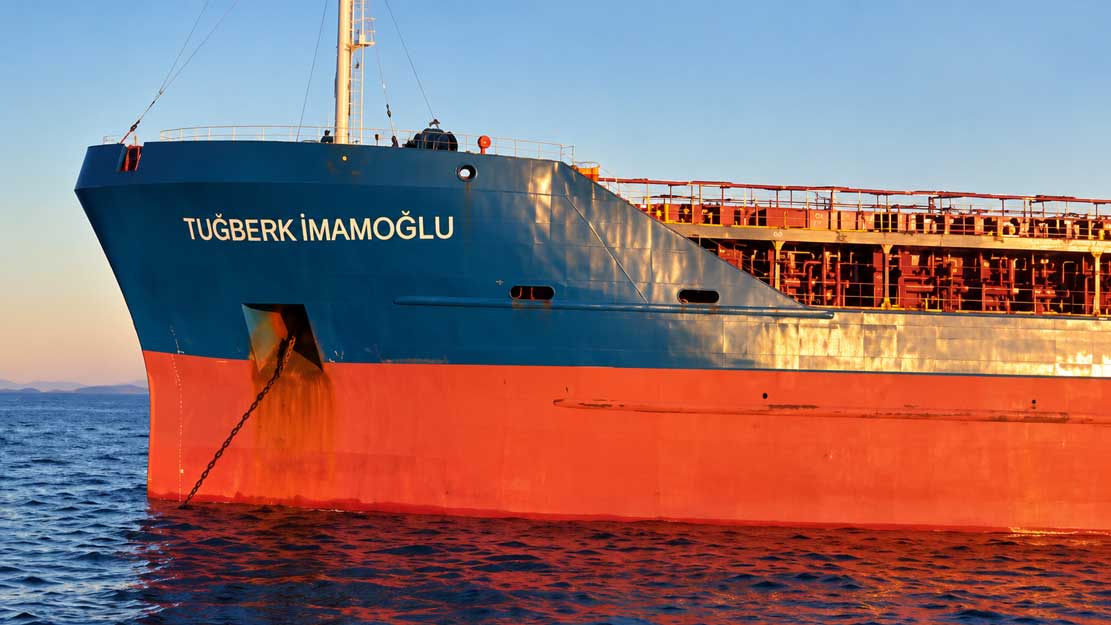
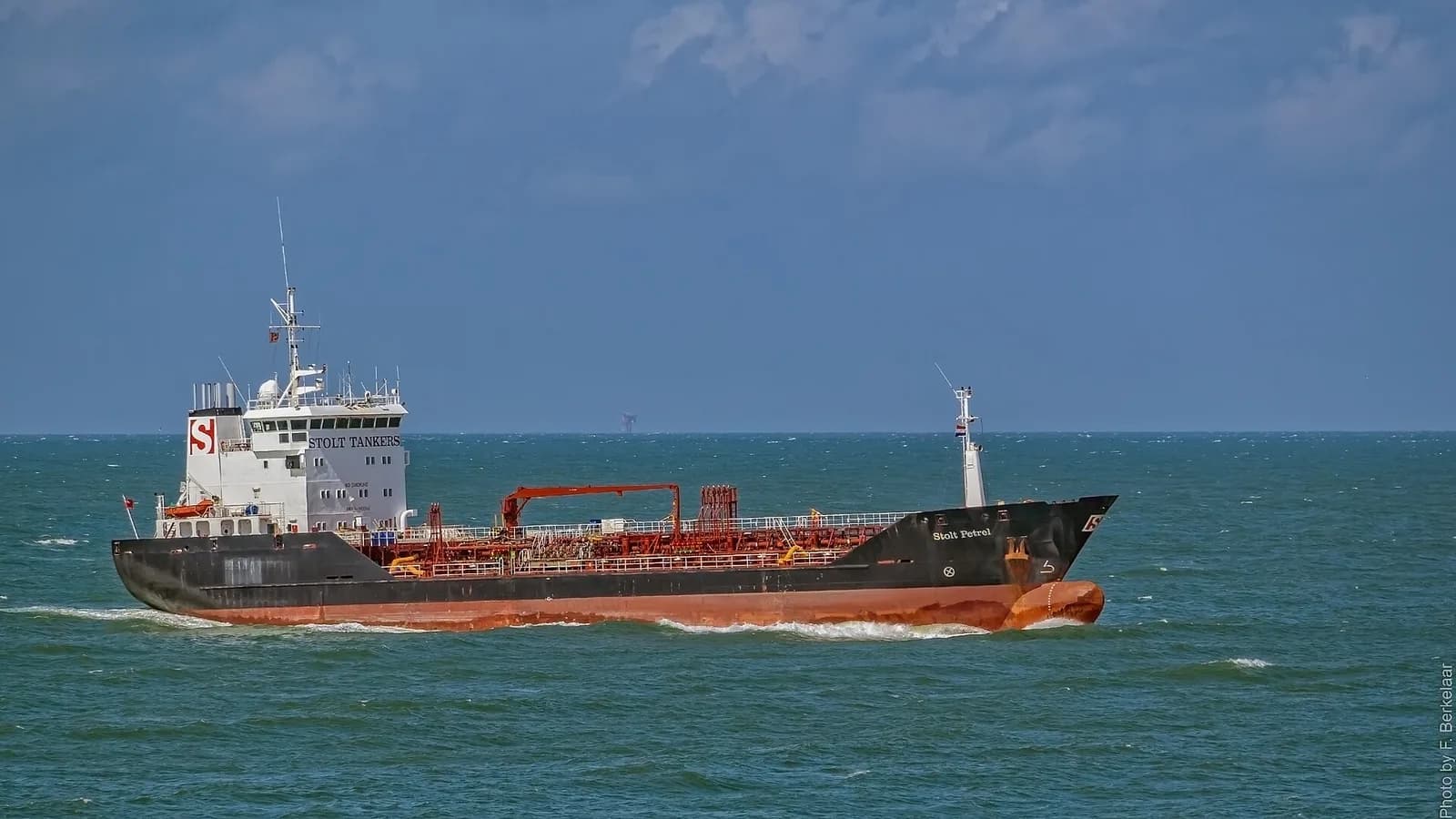
The rebound shows up in the satellite picture. More ships are leaving the region, and at least seven pairs of tankers have been logged conducting ship-to-ship transfers off the Omani port of Sohar, a workaround that lets cargoes change hands with less time spent exposed inside the strait itself. Barrels are still flowing; they are simply flowing more carefully.
It is worth being clear about what is recovering and what is not. Volumes are returning because the economics demand it, not because the danger has eased, and the ship-to-ship handoffs off Sohar add a leg and a cost precisely to shorten the time each hull spends inside the strait. The risk premium has not left the trade. It has changed shape, migrating from cancelled voyages into slower, more expensive ones.
None of this means the risk has passed. The strait remains volatile, and a single serious incident could empty it again as fast as it filled. What the recovery does show is where the floor sits: even under threat, the pull of Gulf crude on the global market is strong enough to keep tonnage moving. For owners and charterers the near-term read is a fragile normal, enough traffic to fix cargoes, not enough certainty to stop pricing in the danger.
Cover image: Mostafameraji, CC BY-SA 4.0, via Wikimedia Commons.

As Editor in Chief of The Maritime, I lead content development, interviews, and digital storytelling across our multimedia maritime platform. With over 10 years of experience in the maritime industry, I create and publish in-depth stories and video features that highlight key players, emerging trends, and operational realities across global shipping. Before launching The Maritime, I worked as a Vessel Operator at Imza Marine A.S., gaining hands-on commercial shipping and voyage operations experience. I also served as Marketing Communications Specialist at Gimas Ship Supply & Services, where I managed corporate communication, digital strategy, and industry outreach for shipowners and maritime clients. I hold a Master’s degree in Maritime Transportation Management from Istanbul Technical University and a Master’s degree in Publishing from Marmara University. My work is driven by the belief that the maritime world deserves strong, informed, and accessible media representation. I am committed to sharing the stories of maritime professionals and contributing to the sector’s visibility, knowledge exchange, and future development.