A tanker transiting outbound through the Strait of Hormuz was disabled by an unknown projectile on October 23, UK Maritime Trade Operations said in a verified report disclosed three days after the incident. All crew members were reported safe, but UKMTO did not identify the vessel or describe the damage.
A second warning issued the same day cited multiple third-party reports of a vessel on fire about 63 nautical miles southeast of Al-Faw, Iraq, in the northern Persian Gulf. UKMTO classified the report as suspicious activity rather than a confirmed attack, and the cause of the fire remains under investigation.
Threat levels hold at severe and substantial
The Joint Maritime Information Center kept its threat assessment for the Strait of Hormuz at SEVERE in an advisory issued October 25, warning that further deliberate attacks are highly likely. The wider Persian Gulf remains at SUBSTANTIAL, with five attacks recorded inside the Gulf since October 7, including incidents near anchorages and ship-to-ship transfer areas.
JMIC logged 156 confirmed maritime security incidents across the region since March 1. The advisory also cited an October 22 projectile strike on an LPG tanker about seven nautical miles northeast of Limah, Oman; that vessel later reached an anchorage off Khor Fakkan.
Traffic and congestion
U.S.-facilitated transits numbered 101 between October 22 and 24, compared with a historical average of roughly 138 vessels per day in 2025. As of October 25, about 492 vessels were waiting outside the Strait, with large concentrations near Fujairah and Khor Fakkan.
JMIC said Iranian Revolutionary Guard Corps activity continues to include attacks, attempted attacks, drone overflights, surveillance and radio messages directing commercial vessels toward Iranian-controlled routes. Vessels using the Strait face persistent threats from projectile attacks, possible mining and electronic navigation interference.
UKMTO urged vessels in the affected areas to stay cautious and report suspicious activity while investigations continue.
For owners, charterers and brokers, the combination of verified strikes, suspicious fire reports and persistent congestion means longer transit planning and sustained exposure in anchorages and transfer zones. Historically, heightened threat assessments in chokepoints tend to pressure war-risk premiums and encourage rerouting decisions even when lanes remain technically open.
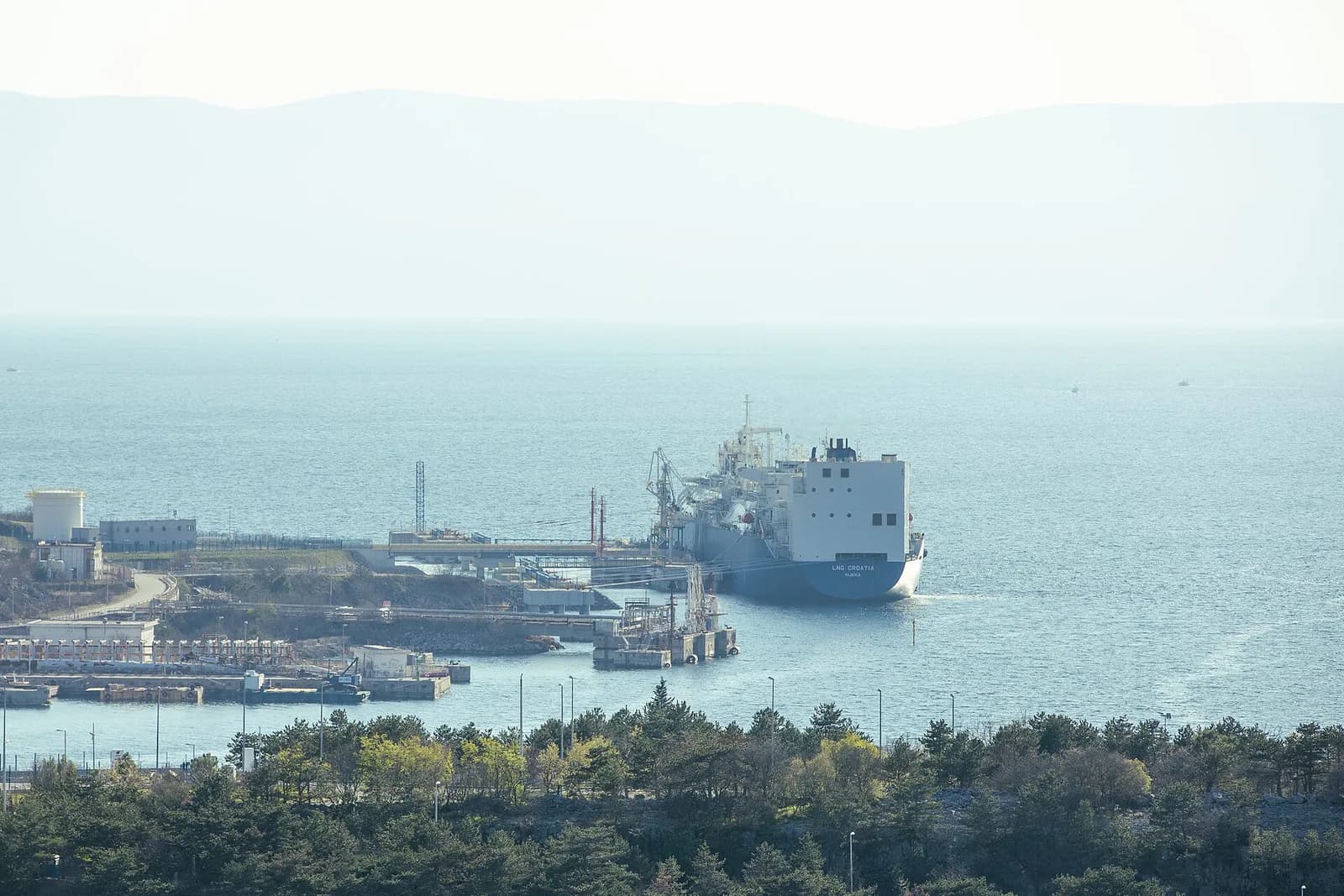
Cover image: Jernej Furman from Slovenia, CC BY 2.0, via Wikimedia Commons.

As Editor in Chief of The Maritime, I lead content development, interviews, and digital storytelling across our multimedia maritime platform. With over 10 years of experience in the maritime industry, I create and publish in-depth stories and video features that highlight key players, emerging trends, and operational realities across global shipping. Before launching The Maritime, I worked as a Vessel Operator at Imza Marine A.S., gaining hands-on commercial shipping and voyage operations experience. I also served as Marketing Communications Specialist at Gimas Ship Supply & Services, where I managed corporate communication, digital strategy, and industry outreach for shipowners and maritime clients. I hold a Master’s degree in Maritime Transportation Management from Istanbul Technical University and a Master’s degree in Publishing from Marmara University. My work is driven by the belief that the maritime world deserves strong, informed, and accessible media representation. I am committed to sharing the stories of maritime professionals and contributing to the sector’s visibility, knowledge exchange, and future development.