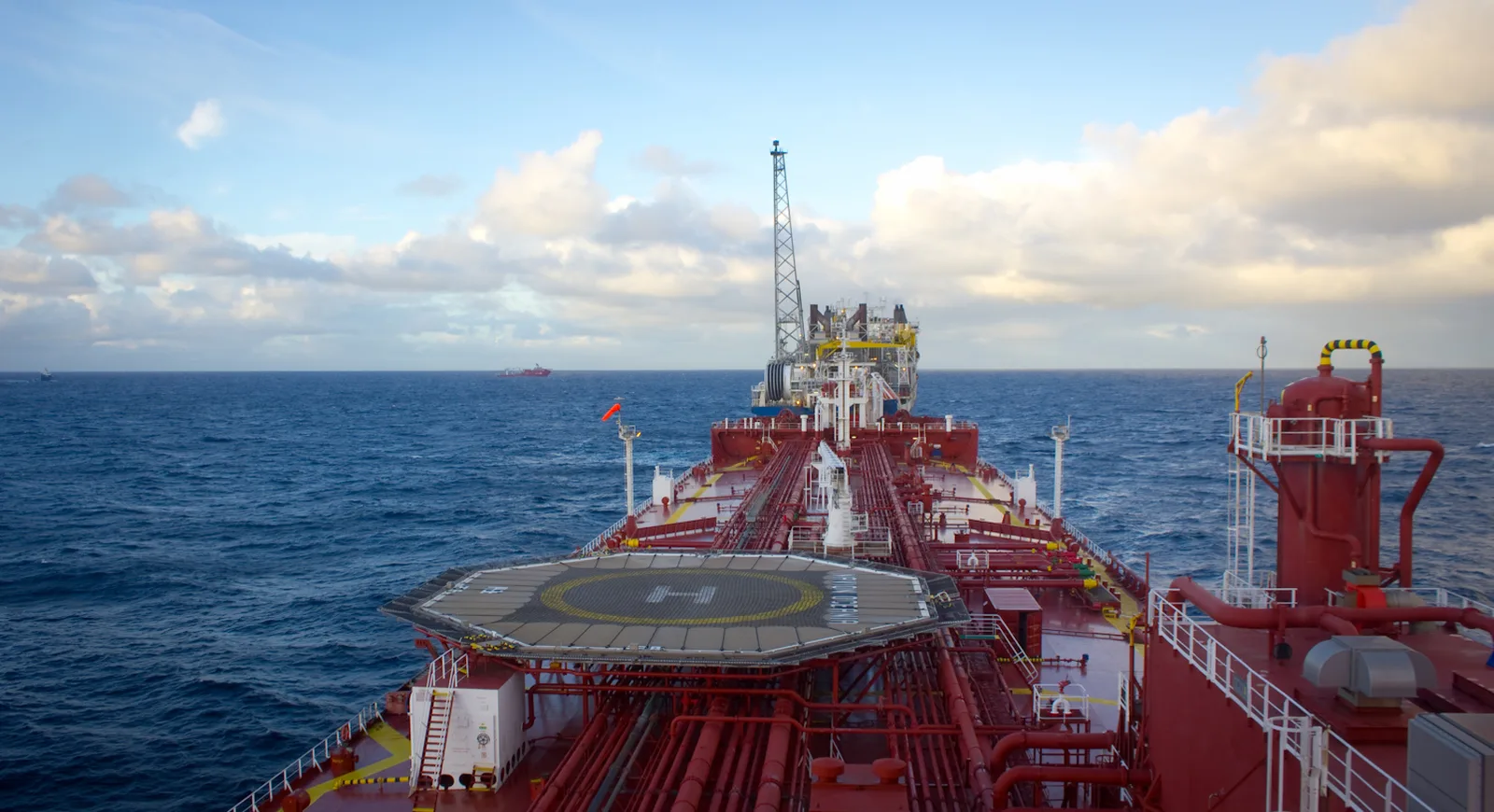
A drone has put fire on the water at one of the Mediterranean's busier energy ports. The strike hit a US-owned gas storage tanker at Egypt's Damietta and spread flames to a second vessel, pulling a stretch of coastline that had stayed outside the Gulf conflict directly into it.
The war reaches a new shore
The attack landed amid a sharp escalation: Iran had fired missiles at US forces in Jordan, and US and Saudi forces had struck Iran-backed groups in Iraq. A hit on a moored gas tanker at a working Egyptian terminal signals that the risk is no longer confined to the Red Sea and the Strait of Hormuz, the two chokepoints the market had been watching, but can now reach vessels sitting at berth far from either.
Priced into crude within hours
The market response was immediate. Brent crude futures jumped more than eight percent as traders read the strike as evidence the conflict was widening toward the infrastructure that moves energy, not just the forces fighting over it. Washington condemned the attack and President Donald Trump vowed to retaliate, hardening an already brittle standoff with Tehran.
A gas storage tanker is a stationary target by design, moored for months as floating infrastructure rather than a ship in transit, and that is what makes the strike unsettling. War-risk cover and port-security planning treat the berth as the safe end of a voyage. An attack on a vessel lying alongside collapses that assumption and invites a reassessment of every floating-storage unit parked within drone range of the conflict.
For owners and their underwriters, the uncomfortable lesson is about geography. War-risk pricing and routing decisions have been built around transit through the danger zones. An attack on a tanker alongside in Egypt says the perimeter of risk is wider than the maps assumed, and that a vessel's exposure does not end when it clears the strait.

As Editor in Chief of The Maritime, I lead content development, interviews, and digital storytelling across our multimedia maritime platform. With over 10 years of experience in the maritime industry, I create and publish in-depth stories and video features that highlight key players, emerging trends, and operational realities across global shipping. Before launching The Maritime, I worked as a Vessel Operator at Imza Marine A.S., gaining hands-on commercial shipping and voyage operations experience. I also served as Marketing Communications Specialist at Gimas Ship Supply & Services, where I managed corporate communication, digital strategy, and industry outreach for shipowners and maritime clients. I hold a Master’s degree in Maritime Transportation Management from Istanbul Technical University and a Master’s degree in Publishing from Marmara University. My work is driven by the belief that the maritime world deserves strong, informed, and accessible media representation. I am committed to sharing the stories of maritime professionals and contributing to the sector’s visibility, knowledge exchange, and future development.