Two governments are claiming the same stretch of water, and the ships caught between them are answering with their transponders. President Donald Trump says the United States has complete control of the Strait of Hormuz; Iran rejects the claim and insists it still governs traffic through the waterway. On the water, neither assertion looks fully true.
Competing claims, contested water
The rival statements land as security in and around the strait keeps deteriorating. The UK Maritime Trade Operations centre has logged a run of incidents, among them an attack on the LNG carrier GasLog Shanghai, which took damage while leaving the strait; its crew were reported safe. Tehran, for its part, denies Trump's claim that talks are under way, saying its only discussions are with Oman over managing the crossing.
The on-water reality
What the ships are doing tells its own story. The maritime-analytics firm Windward counted nineteen transits in a single twenty-four-hour window, ten outbound and nine inbound, but six of those crossings were made with the vessels' AIS switched off, going dark to avoid being tracked. Others have given up on the strait altogether and are routing the long way around Africa, accepting the added weeks and fuel as the price of staying clear.
A strait run this way is ungovernable by either claimant. Vessels going dark are invisible to the very tracking that flag states, insurers and sanctions regimes depend on, which means neither Washington's writ nor Tehran's can be enforced against a ship that has chosen not to be seen. Control of Hormuz, for now, rests with the individual master weighing his transponder against his hull.
For owners, charterers and underwriters, the sovereignty argument is noise; the transit data is the signal. A strait where a third of the day's movements go dark is neither closed nor open in any normal sense. It is a corridor being run at the crews' and insurers' discretion, one voyage at a time, regardless of who claims to command it.
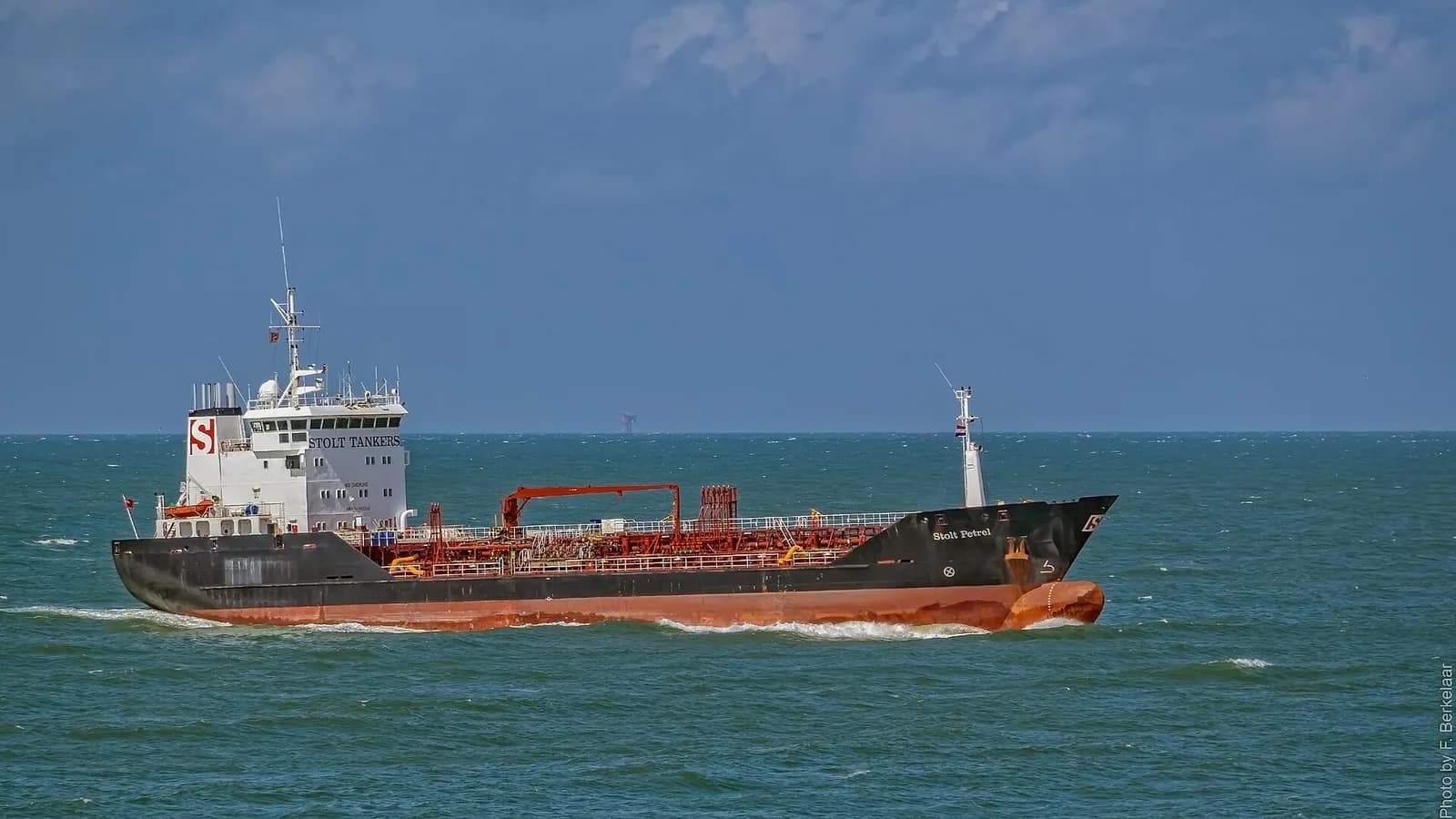
Cover image: Frans Berkelaar, CC BY 2.0, via Wikimedia Commons.

As Editor in Chief of The Maritime, I lead content development, interviews, and digital storytelling across our multimedia maritime platform. With over 10 years of experience in the maritime industry, I create and publish in-depth stories and video features that highlight key players, emerging trends, and operational realities across global shipping. Before launching The Maritime, I worked as a Vessel Operator at Imza Marine A.S., gaining hands-on commercial shipping and voyage operations experience. I also served as Marketing Communications Specialist at Gimas Ship Supply & Services, where I managed corporate communication, digital strategy, and industry outreach for shipowners and maritime clients. I hold a Master’s degree in Maritime Transportation Management from Istanbul Technical University and a Master’s degree in Publishing from Marmara University. My work is driven by the belief that the maritime world deserves strong, informed, and accessible media representation. I am committed to sharing the stories of maritime professionals and contributing to the sector’s visibility, knowledge exchange, and future development.