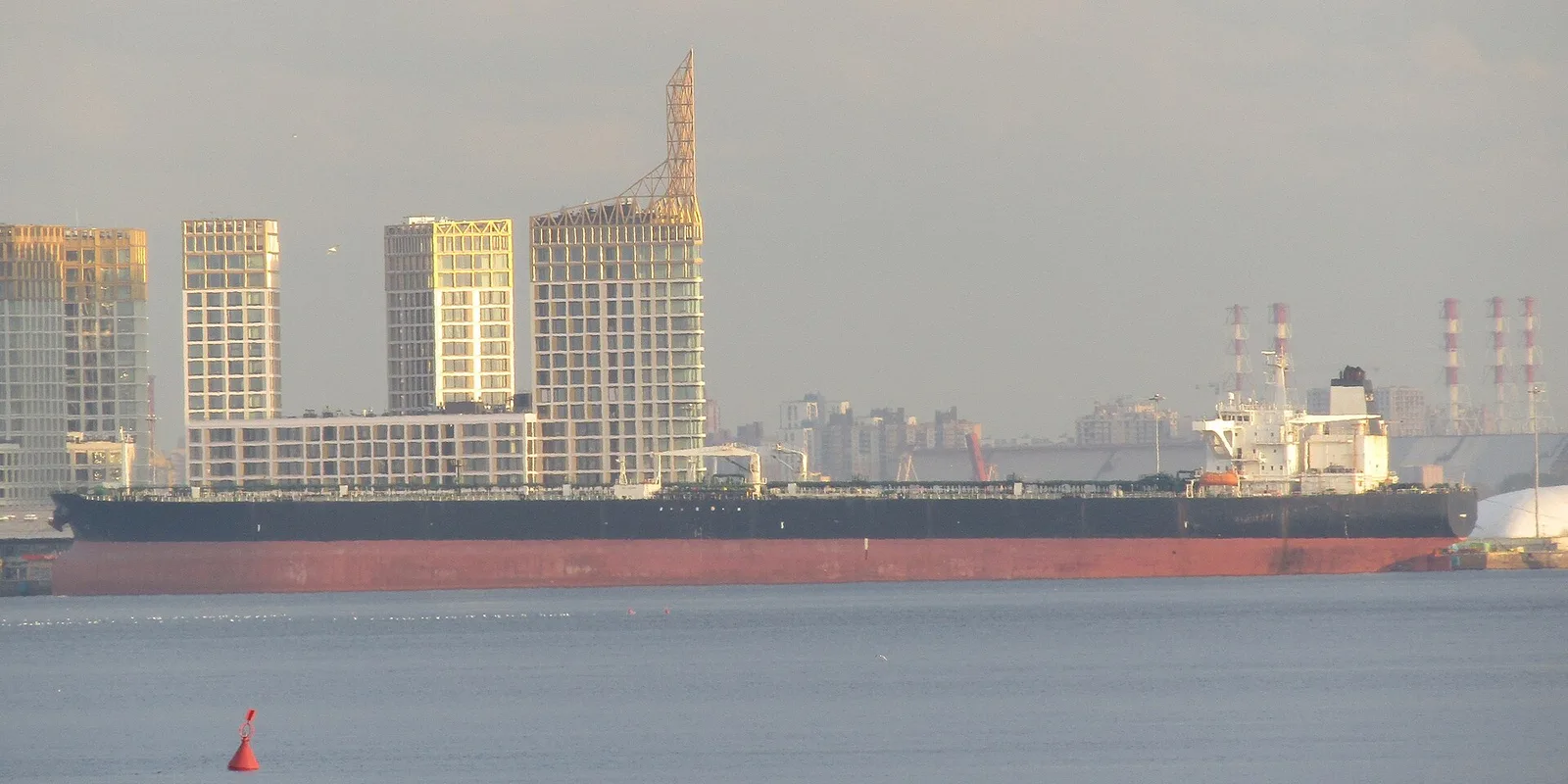
The European Union has put another forty-one tankers beyond the reach of the mainstream market. Its twenty-first sanctions package since the invasion of Ukraine adds those vessels to a blacklist that now runs to 673 ships, and for the first time reaches past the hulls themselves to the businesses that keep them moving.
A shadow-fleet designation is not symbolic. Once a tanker is listed, reputable insurers, class societies, flag registries and port authorities are expected to turn it away, pushing owners into a parallel world of opaque cover, obscure flags and cargo swapped ship-to-ship at sea. Blacklisting 673 hulls is an attrition strategy: raise the cost and shrink the pool of tonnage still willing to carry sanctioned crude, one designation at a time. The limit of the tactic is speed. A listed hull can re-flag, rename and change hands faster than the next package can catch it, which is why the sanctioned total keeps climbing without the trade visibly shrinking. What each round buys is friction, not disappearance.
The net widens to the enablers
The latest measures go after the support layer, not only the ships. They name companies operating on behalf of major Russian oil producers and a crewing agency accused of manning shadow-fleet vessels, and they extend the rules to any ship that bunkers or otherwise services a listed tanker. Supplying fuel to a blacklisted hull now carries its own exposure.
The package is one of the broadest since 2022, with 218 new listings covering 48 individuals and 170 entities. "This package includes the highest number of listings in four years," said EU foreign-policy chief Kaja Kallas, pointing to more than a hundred banks and crypto operators, upward of forty shadow-fleet vessels, and several refineries in Russia and Belarus.
Beyond the water
The financial perimeter widened sharply alongside it: asset freezes and transaction bans touching 94 Russian banks, a move against the crypto rails used to dodge earlier rounds, and a new framework letting Brussels prohibit dealings with listed refineries in Russia and in third countries that process Russian crude. For owners and charterers the signal is consistent. The compliance burden on every tanker near a Russian barrel is still climbing, and the line between the mainstream fleet and the shadow one is getting harder to cross by accident.
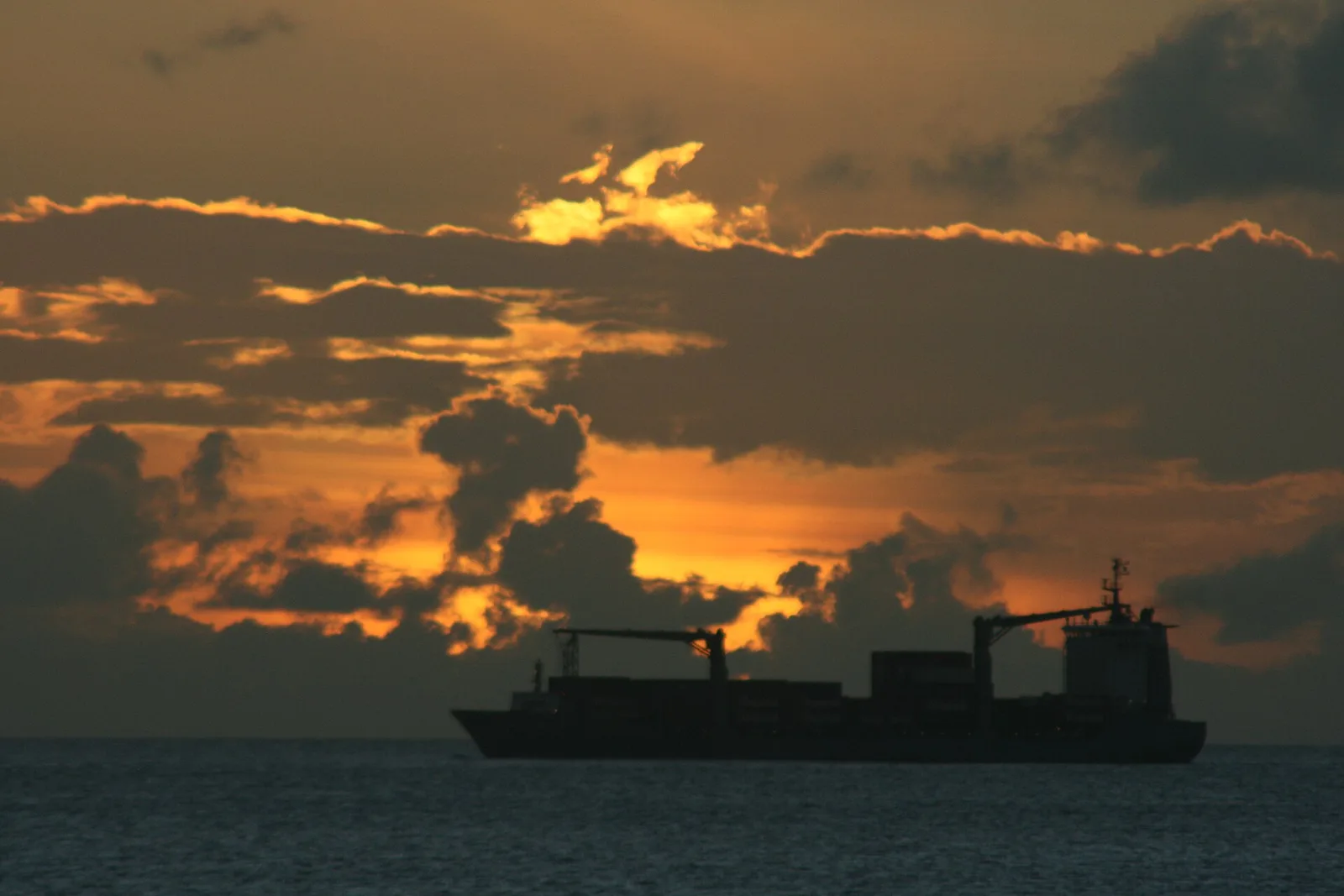
Cover image: Htm, CC BY-SA 4.0, via Wikimedia Commons.

As Editor in Chief of The Maritime, I lead content development, interviews, and digital storytelling across our multimedia maritime platform. With over 10 years of experience in the maritime industry, I create and publish in-depth stories and video features that highlight key players, emerging trends, and operational realities across global shipping. Before launching The Maritime, I worked as a Vessel Operator at Imza Marine A.S., gaining hands-on commercial shipping and voyage operations experience. I also served as Marketing Communications Specialist at Gimas Ship Supply & Services, where I managed corporate communication, digital strategy, and industry outreach for shipowners and maritime clients. I hold a Master’s degree in Maritime Transportation Management from Istanbul Technical University and a Master’s degree in Publishing from Marmara University. My work is driven by the belief that the maritime world deserves strong, informed, and accessible media representation. I am committed to sharing the stories of maritime professionals and contributing to the sector’s visibility, knowledge exchange, and future development.