The Strait of Hormuz has stopped behaving like a shipping lane and started behaving like a bargaining chip. The projectiles now landing on hulls in the channel are not stray violence at the edge of a war; they are leverage applied to the one stretch of water both sides know the global economy cannot route around. Every strike raises the price of the concession the other side is being asked to make at the negotiating table.
Strikes that read as signals, not accidents
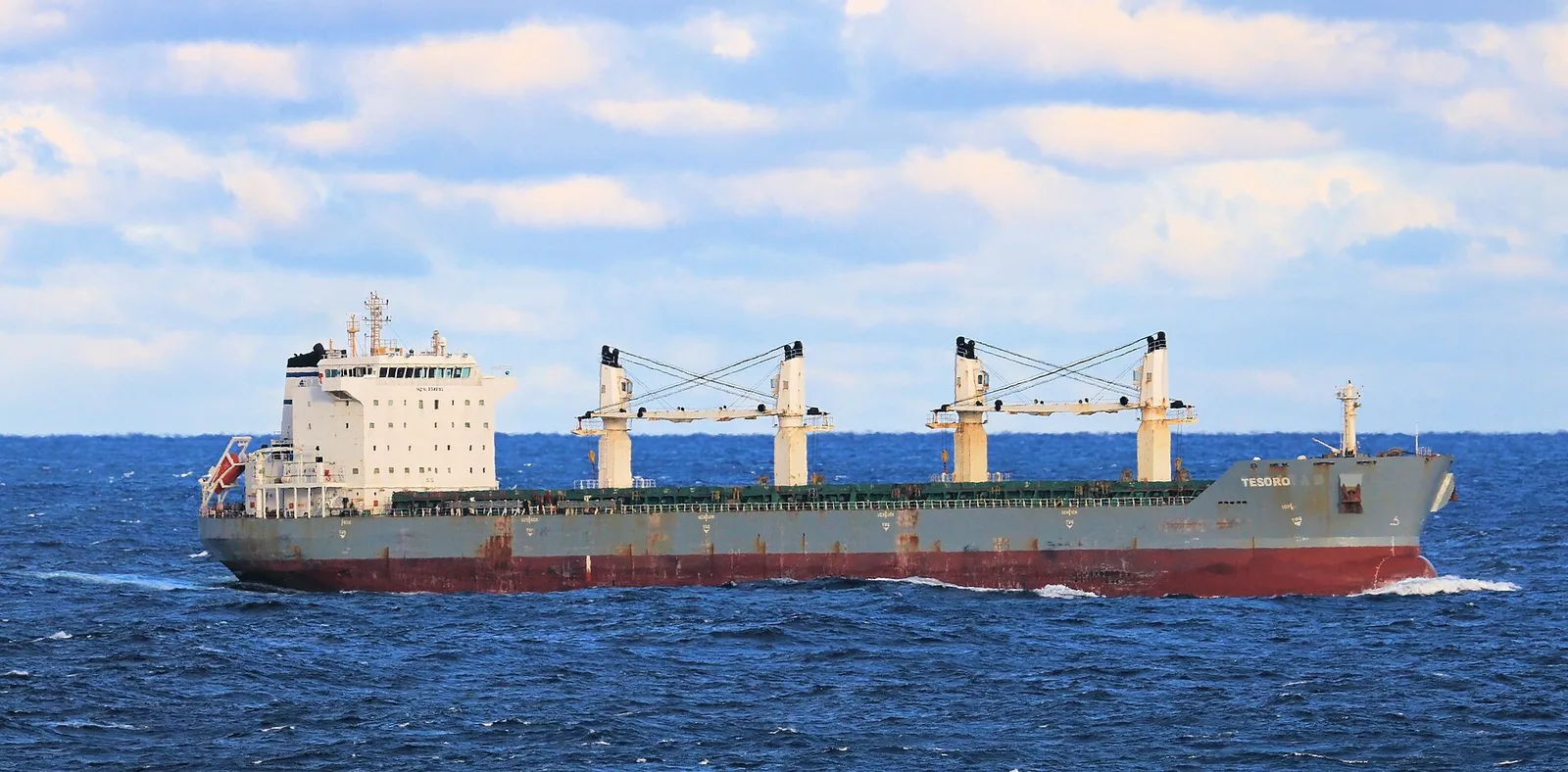
UK Maritime Trade Operations logged a projectile hitting the hull of a bulk carrier, while three vessels tied to Abu Dhabi National Oil Co. were struck across Thursday and Friday. The pattern matters more than any single hit. A bulk carrier taking a projectile alongside repeated strikes on national oil-company tonnage tells operators that the threat is no longer confined to a single flag, cargo, or grievance. It is the corridor itself that is being contested, and a corridor under contest cannot be underwritten on the old terms.
For a master weighing the transit, the calculus has narrowed to a grim question: not whether the route is dangerous, but whose permission keeps you safe. That is a different kind of risk from a rogue attack. It is the risk of sailing through water whose rules are unsettled.
Why the deadlock lives here
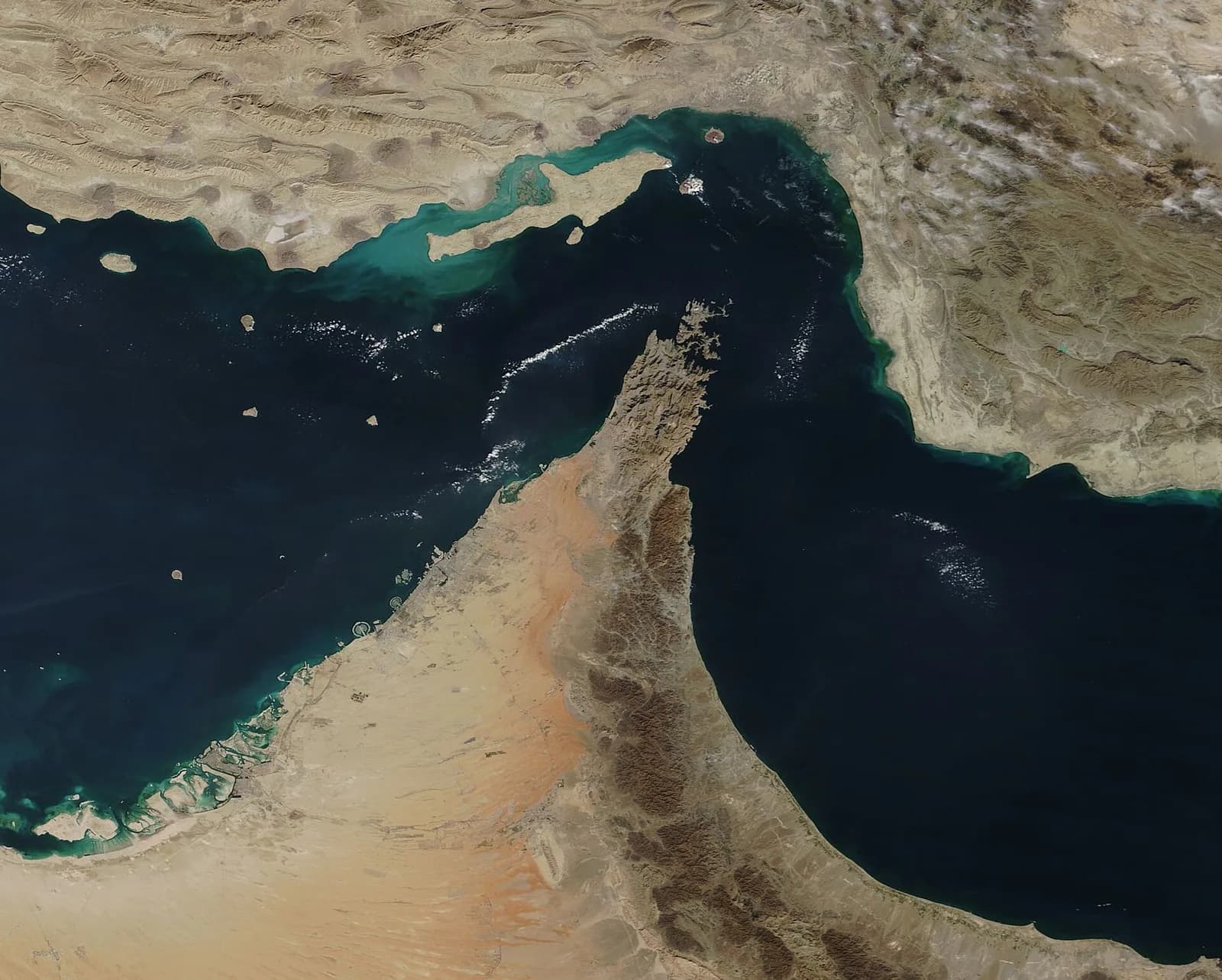
Roughly a fifth of the world's oil and gas moved through Hormuz before the war, and after almost six months of fighting the passage has become the sticking point that talks keep failing on. Washington wants free passage restored along the line from the Persian Gulf to the Gulf of Oman and the Arabian Sea; Tehran insists it will keep control of the water. Those two positions do not meet in the middle, and shipping is the collateral held between them.
This is the part the market is slow to price. The danger to trade is not only the missile; it is the absence of an agreed rule of transit. When sovereignty over a chokepoint is openly disputed, insurers, charterers, and owners lose the one thing that makes a voyage bankable, which is predictability. A lane you can insure is a lane you can trade. A lane whose governance is contested becomes a series of individual bets on who controls the water on the day you sail.
The price is pricing duration
Brent crude climbed almost six percent on the week as hopes of a quick settlement drained away. Read that move carefully. A one-off incident produces a spike that fades; a six-percent grind higher on faded resolution hopes is the market lengthening its assumption of how long this lasts. The barrel is no longer pricing an interruption. It is pricing an era.
For owners and charterers the consequence is concrete. War-risk premiums and the reroutings that follow heightened threat do not merely add a line item; they reset the economics of the fixture. A voyage that must budget for additional cover, for the slower and longer alternative, and for the possibility of turning back mid-transit carries a materially different rate than the same voyage did before the corridor's rules came into question. Brokers structuring these fixtures are now trading exposure to a political outcome as much as to a freight market.
What it means for the desk
Until a transit regime is agreed and visibly enforced, Hormuz will keep trading as the most expensive water in the world to be certain about. The premium is not attached to any one attack; it is attached to the open question of who governs the channel. Owners should treat every Hormuz voyage as a decision with two prices: the freight, and the wager on which authority keeps the lane open while the cargo is aboard. That second price will not fall on the back of a single quiet week. It falls only when the talks that keep stalling produce a rule that ships can be sailed on.
Cover image: Ank Kumar, CC BY-SA 4.0, via Wikimedia Commons.

As Editor in Chief of The Maritime, I lead content development, interviews, and digital storytelling across our multimedia maritime platform. With over 10 years of experience in the maritime industry, I create and publish in-depth stories and video features that highlight key players, emerging trends, and operational realities across global shipping. Before launching The Maritime, I worked as a Vessel Operator at Imza Marine A.S., gaining hands-on commercial shipping and voyage operations experience. I also served as Marketing Communications Specialist at Gimas Ship Supply & Services, where I managed corporate communication, digital strategy, and industry outreach for shipowners and maritime clients. I hold a Master’s degree in Maritime Transportation Management from Istanbul Technical University and a Master’s degree in Publishing from Marmara University. My work is driven by the belief that the maritime world deserves strong, informed, and accessible media representation. I am committed to sharing the stories of maritime professionals and contributing to the sector’s visibility, knowledge exchange, and future development.