A seafarer is missing after a missile-suspected attack on a Greek-operated product tanker deep inside the Arabian Gulf, adding to evidence that strikes on merchant vessels are spreading beyond the Strait of Hormuz.
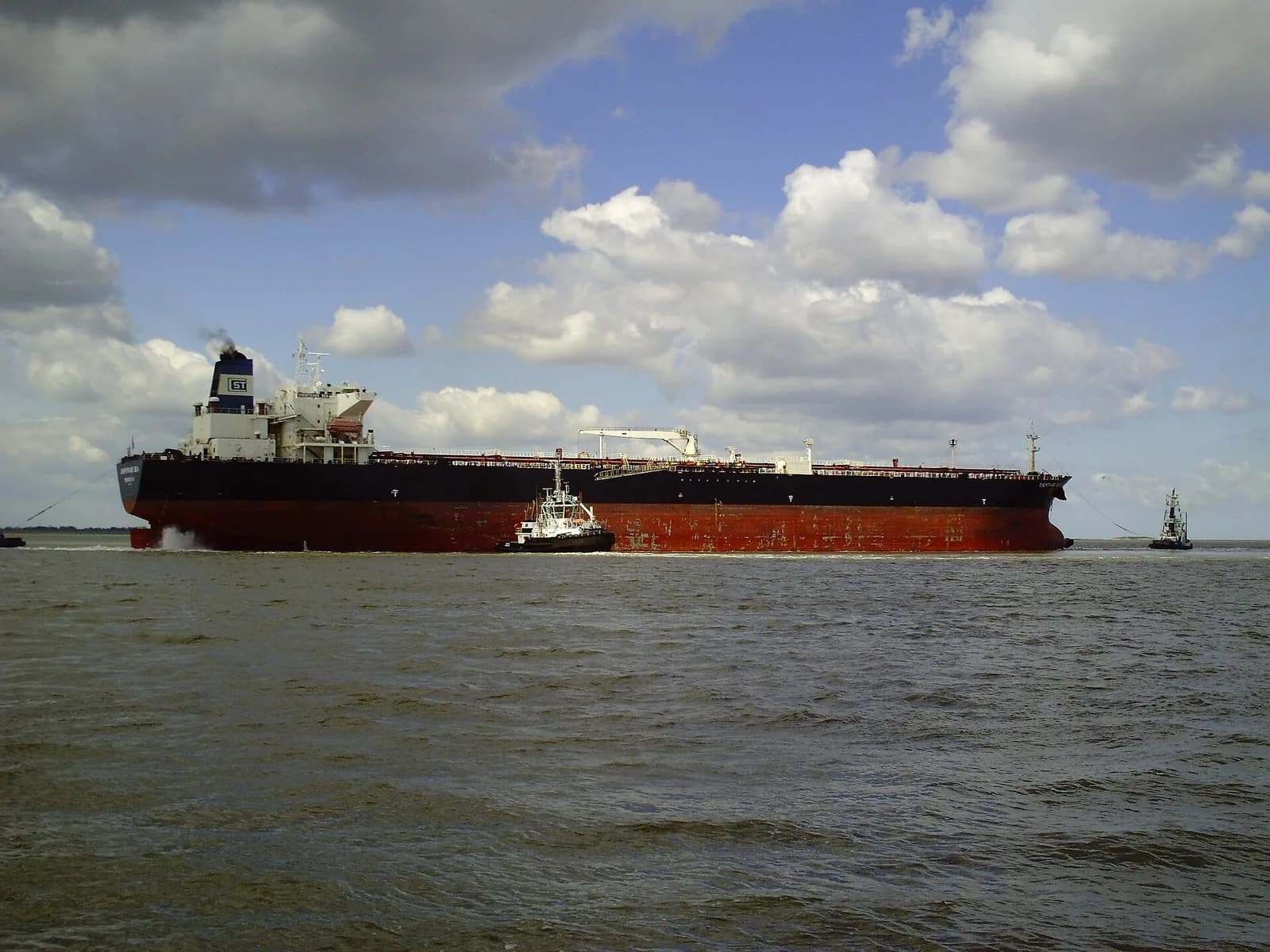
The Marshall Islands-flagged Velos Sapphire, a 74,998 dwt vessel built in 2007 and managed by Athens-based Velos Tankers, was hit around 50 nautical miles north of Qatar's Madinat ash Shamal. UK Maritime Trade Operations reported two unidentified projectiles striking an unnamed tanker at 23:20 UTC. The operator later reported an explosion on the aft port side, believed to have been caused by an unidentified missile.
The International Maritime Organization has identified the vessel and recorded damage, no pollution and one missing seafarer. Security sources have said the crew member was killed, but the IMO has not confirmed a fatality. A fire broke out after the strike and was extinguished.
The tanker had left Fujairah on November 3 bound for Sitra, Bahrain. Automatic identification system data showed its speed dropping to 2.4 knots before the attack and to about 1.1 knots afterward, before it regained speed and continued toward Bahrain, indicating it retained propulsion.
Iran redraws Hormuz blacklist
Iran's Persian Gulf Strait Authority has removed two US-sanctioned LPG carriers from its non-compliance list and added a Turkish-owned chemical and products tanker. The 2003-built Gas Marakua and the 2001-built SOGL, both designated by Washington in October, disappeared from the list published on November 5. The 2018-built, Panama-flagged Mercan, owned and operated from Turkey, was added.
The blacklist now contains 239 vessels, down from 240 earlier in the week but well above the 77 recorded in September. The authority gave no explanation for the changes. Blacklisted ships face fines, detention or confiscation on future passages, and vessels cooperating with listed ships through ship-to-ship transfers could also face restrictions.
The United States has designated the Iranian authority itself and warned that obtaining services or safe-passage guarantees from it can expose shipping companies to sanctions risks.
Traffic and threat levels
The Joint Maritime Information Centre classified the threat around Hormuz as severe in an assessment issued on Thursday, recording four attacks in the strait during a 96-hour period and two more inside the Arabian Gulf. The centre warned of further deliberate strikes, drone overflights, targeted surveillance and radio harassment.
AIS monitoring recorded just nine commercial crossings on Thursday, with a seven-day average of about nine ships a day, barely a tenth of the pre-conflict level of roughly 85. The IMO has logged 129 confirmed maritime incidents across the region and 24 seafarer fatalities since the conflict began.
For owners, charterers and brokers, the combination of a strike well inside the Gulf, an opaque blacklist and sharply reduced traffic points to rising insurance and operational exposure on routes that were previously considered lower risk.

As Editor in Chief of The Maritime, I lead content development, interviews, and digital storytelling across our multimedia maritime platform. With over 10 years of experience in the maritime industry, I create and publish in-depth stories and video features that highlight key players, emerging trends, and operational realities across global shipping. Before launching The Maritime, I worked as a Vessel Operator at Imza Marine A.S., gaining hands-on commercial shipping and voyage operations experience. I also served as Marketing Communications Specialist at Gimas Ship Supply & Services, where I managed corporate communication, digital strategy, and industry outreach for shipowners and maritime clients. I hold a Master’s degree in Maritime Transportation Management from Istanbul Technical University and a Master’s degree in Publishing from Marmara University. My work is driven by the belief that the maritime world deserves strong, informed, and accessible media representation. I am committed to sharing the stories of maritime professionals and contributing to the sector’s visibility, knowledge exchange, and future development.