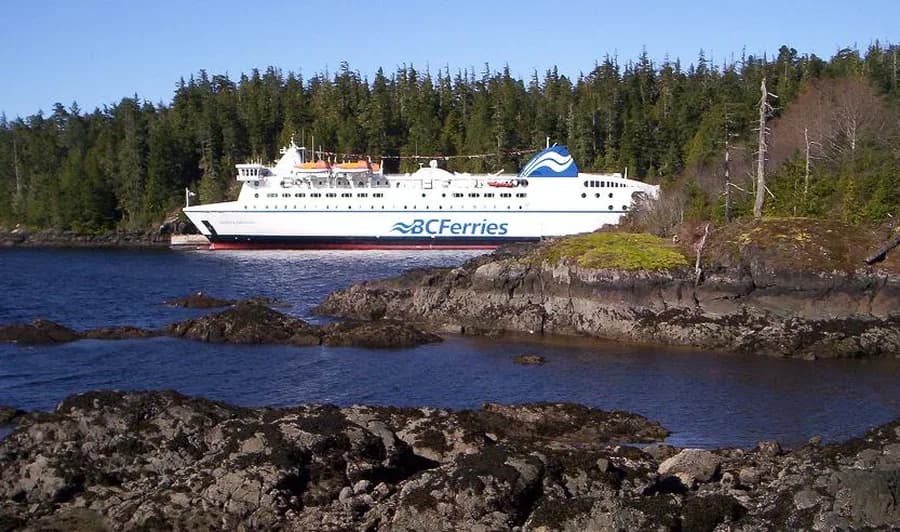
Machinery FailureMinor
Mar 8, 2025Bear Cove Ferry terminal, Port Hardy, BRITISH COLUMBIA (BC)
On 08 March 2025, the passenger ferry "NORTHERN ADVENTURE" reported an issue with one of its propellers while docked at the Bear Cove Ferry Terminal in Port Hardy, BC. The ferry cancelled its scheduled sailing to assess the problem and subsequently carried out repairs.
Machinery FailureMinor
May 31, 2024Point Cumming, BRITISH COLUMBIA (BC)
On 31 May 2024, the ferry "NORTHERN ADVENTURE" reported having sustained a total failure of its main engine fuel supply system in Wright Sound, BC. The crew effected repairs adrift and the vessel resumed its voyage.
FireSerious
Sep 15, 2023Cape Ball, BRITISH COLUMBIA (BC)
On 15 September 2023, the passenger vessel "NORTHERN ADVENTURE", with 136 people on board, reported having sustained a fire in a vehicle on the car deck while proceeding in Hecate Strait, BC. The fire was extinguished and the vessel resumed its voyage.
Machinery FailureMinor
Jul 14, 2023Skidegate, BRITISH COLUMBIA (BC)
On 14 July 2023, the ferry "NORTHERN ADVENTURE" reported a total failure of its starboard main engine upon departure from Skidegate, BC. The vessel proceeded to Prince Rupert, BC using its port engine and ordered a tug for berthing at its destination.
Machinery FailureMinor
Jul 5, 2023Pillsbury Point, BRITISH COLUMBIA (BC)
On 05 July 2023, the ferry "NORTHERN ADVENTURE" reported the total failure of its starboard engine lubricating oil pump while secured in Prince Rupert, BC. Temporary repairs were effected by the crew.
Machinery FailureMinor
Apr 27, 2022Porcher Island, BRITISH COLUMBIA (BC)
On 27 April 2022, the passenger/vehicle vessel "NORTHERN ADVENTURE" reported the breakdown of its port main engine due to cooling water system issues whilst in transit to Skidegate, Haida Gwaii, BC. The vessel continued the passage using its starboard main engine.
Machinery FailureMinor
Apr 12, 2022Pine Island, BRITISH COLUMBIA (BC)
On 12 April 2022, the passenger vessel "NORTHERN ADVENTURE" reported having sustained a machinery failure on its port engine in Gordon Channel, BC. The crew carried out repairs and the vessel resumed its voyage.
Damage/UnseaworthySerious
Apr 2, 2021Skidegate, BRITISH COLUMBIA (BC)
On 02 April 2021, the passenger/vehicle ferry "NORTHERN ADVENTURE" reported a breach in its hull in way of the bilge holding tank sounding pipe striking plate while at Skidegate, Haida Gwaii, BC. The vessel travelled, without passengers, to Prince Rupert, BC for a further inspection and to perform repairs. The hole was temporarily repaired by shore technicians and the vessel was allowed to operate, pending the completion of permanent repairs within 3 months.
Recorded marine occurrences naming this vessel.