Technical Specifications
Overview
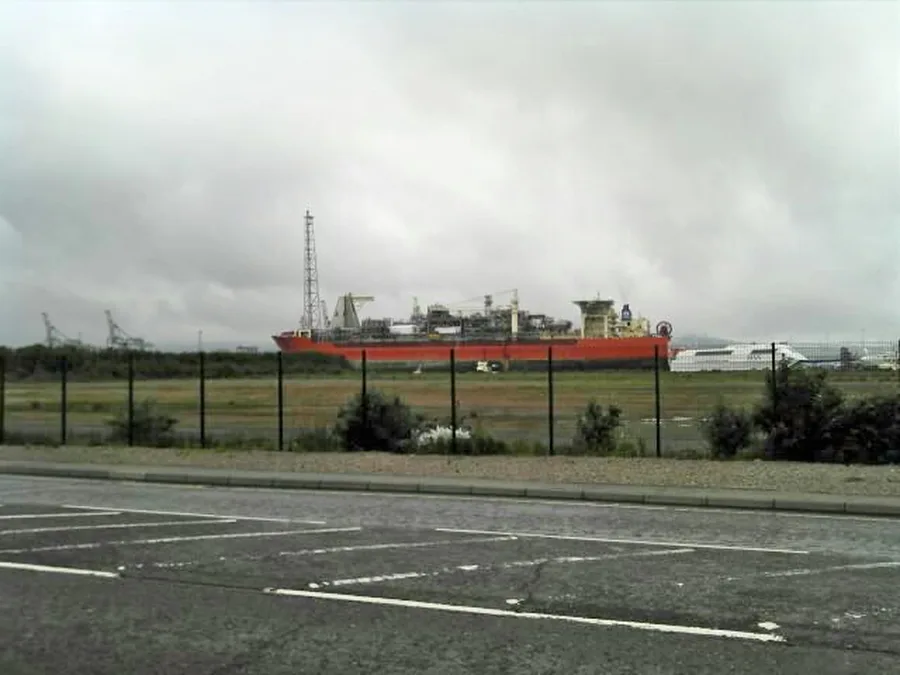
SeaRose FPSO is a floating production, storage and offloading vessel primarily located in the White Rose oil and gas field, approximately 350 kilometres (190 nmi; 220 mi) east-southeast off the coast of Newfoundland, Canada in the North Atlantic Ocean. The White Rose field is currently operated by Cenovus Energy (as of 2021, after its acquisition of Husky Energy), with a 60% ownership interest. Suncor Energy owns a 35% interest, and Nalcor the remaining 5%. SeaRose is approximately 50 km (31 mi) east of the successful Hibernia field and the more recent Terra Nova field. All three fields are in the Jeanne d'Arc Basin on the eastern edge of the famous Grand Banks fishing territory. SeaRose made her way from the Samsung Heavy Industries shipyard in Geoje South Korea to Marystown, Newfoundland, for final preparation, in April 2004; a 14,000 nmi (26,000 km; 16,000 mi) trip that took two months. In August 2005 she left Marystown for her work duty at Cenovus Energy's White Rose oil field. In January 2018, the C-NLOPB suspended White Rose operations because of Husky's failure to disconnect when an iceberg approached, contrary to Husky's ice management plan. In June 2024, SeaRose has undergone refit in drydock at the Harland & Wolff shipyard in Belfast as part of a life extension program, ending in October of the same year.
Composite Risk
Multiple adverse factors, or a hard ship-specific signal, lift this hull above the fleet norm.
A coverage-weighted blend of the single component we could read for this hull; the weights renormalise over only the components present, so a thin read is never inflated and a hull is never credited a “safe 0” for a signal it has no row for. This headline is flagged low-confidence (a thin or structural-only read) and should not be treated as a verdict. Higher means riskier. Derived in-house from government-open port-State-control, flag, sanctions and our own vessel data; weight it by the coverage above.
Commercial
Price it in the Route Planner between any two commercial ports: ballast and laden legs, two fuels at live bunker prices, port and canal costs, the weather on the way, and the TCE set against the market.

Visual Archive