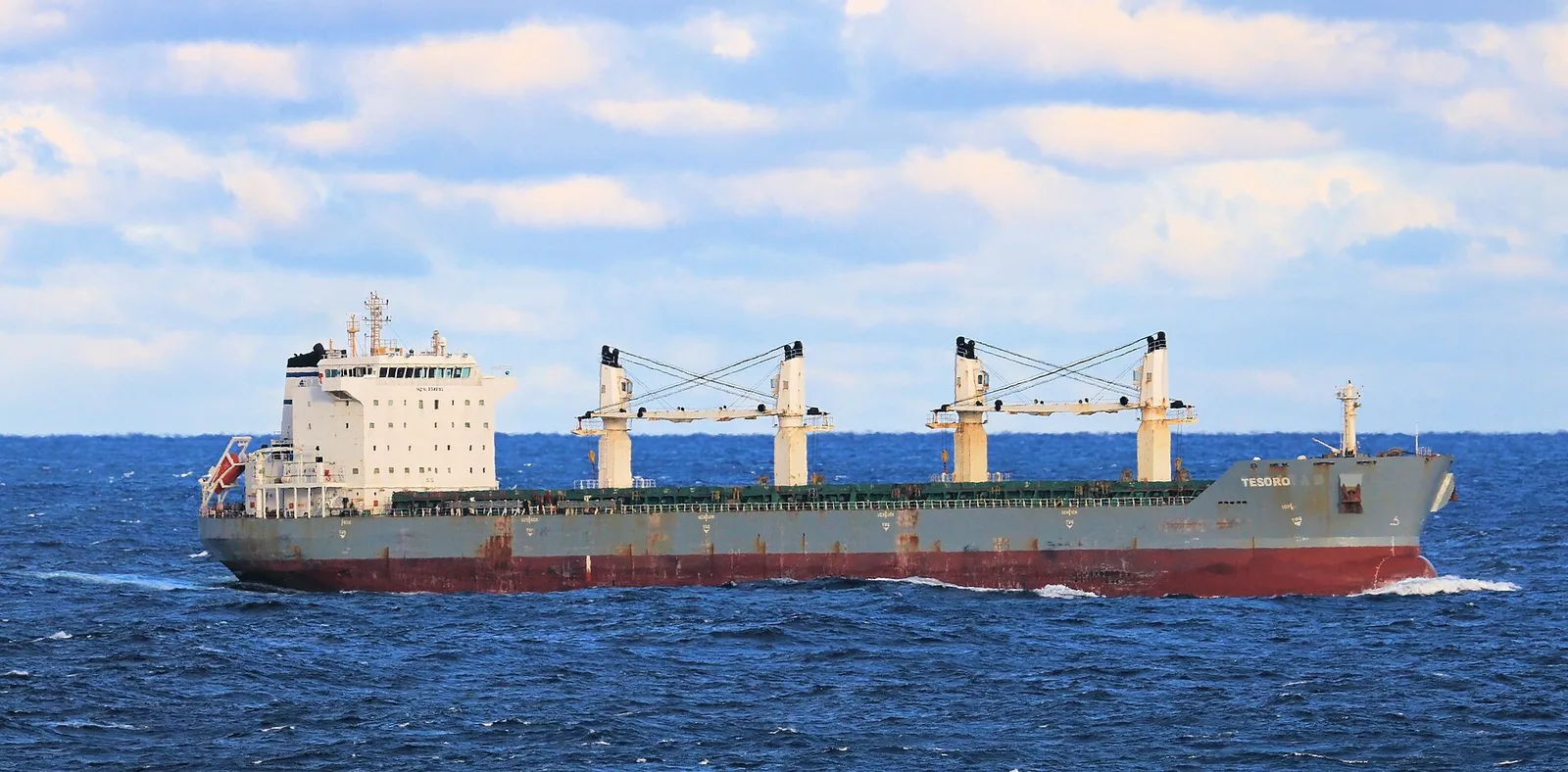
A Thai-flagged bulk carrier is burning off the coast of Oman with three of her crew missing, two tankers have been set on fire by a drone boat off Iraq's export terminals, and the count of attacks on merchant shipping since February 28 reached 16 on March 12. The second week of March has been the deadliest of the war for civilian seafarers.
The pattern has also changed. The opening phase closed the Strait of Hormuz through threats and insurance arithmetic; this week Iran shifted to attrition, using mines, drone boats and projectiles against neutral tonnage across the whole Gulf littoral, often far from the strait itself.
Mines enter the war
By March 9 war-risk premiums stood four to six times higher than a week earlier, according to market reports, and discussion began in Washington of a federal backstop for marine war risk along the lines of the TRIA terrorism scheme. On March 10 US intelligence reported that Iran had begun laying mines in the strait; President Trump demanded their removal, and the US military said it had destroyed 16 minelaying craft. The same day brought three separate incidents, according to reporting by Military.com: a bulker reported a splash and an explosion 36 nautical miles off Abu Dhabi, the Liberia-flagged container ship Source Blessing was struck by a projectile about 35 nautical miles north of Jebel Ali, and the container ship Express Rome took multiple hits near Ruus al-Jibal.
March 11, the worst day
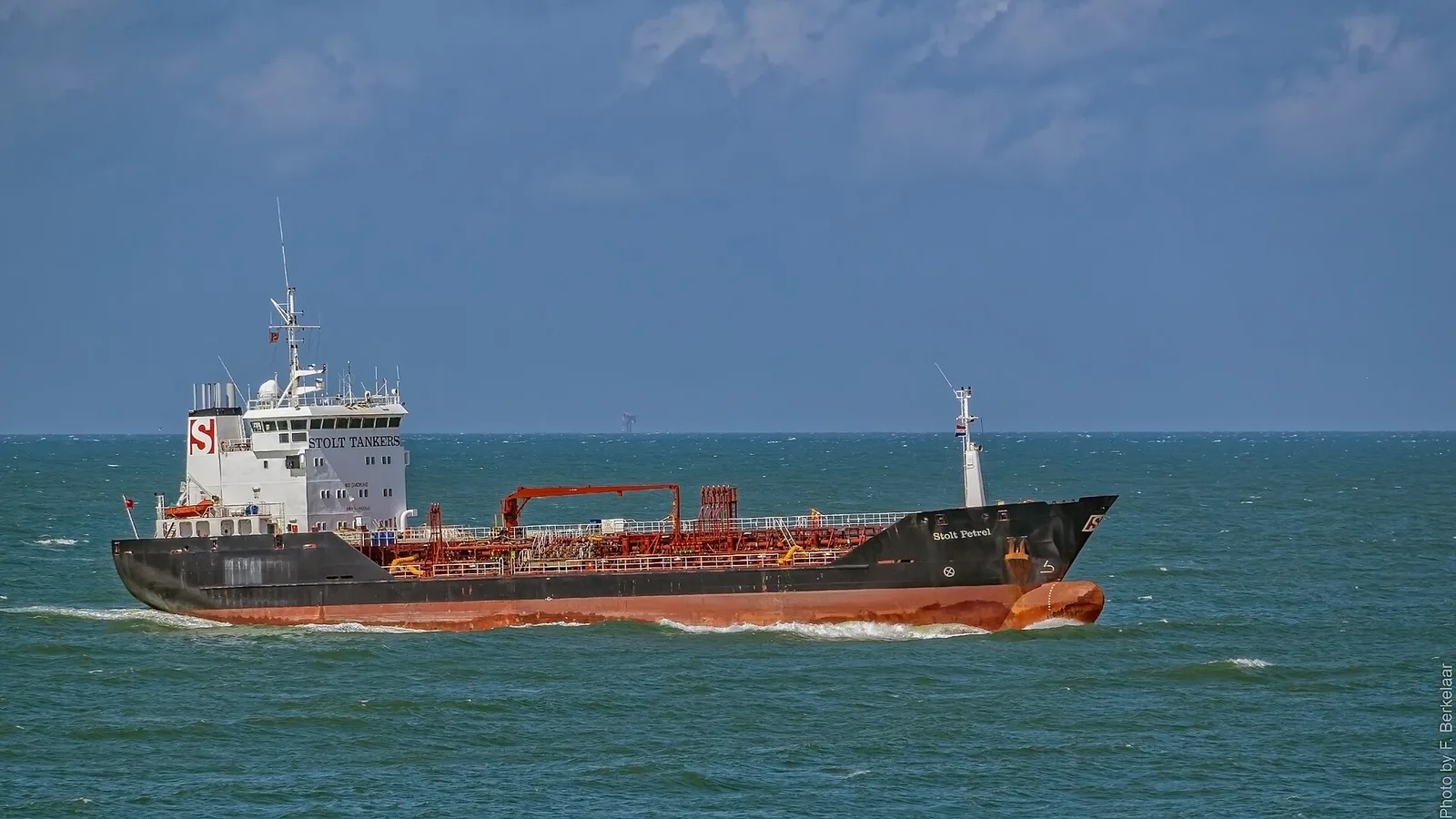
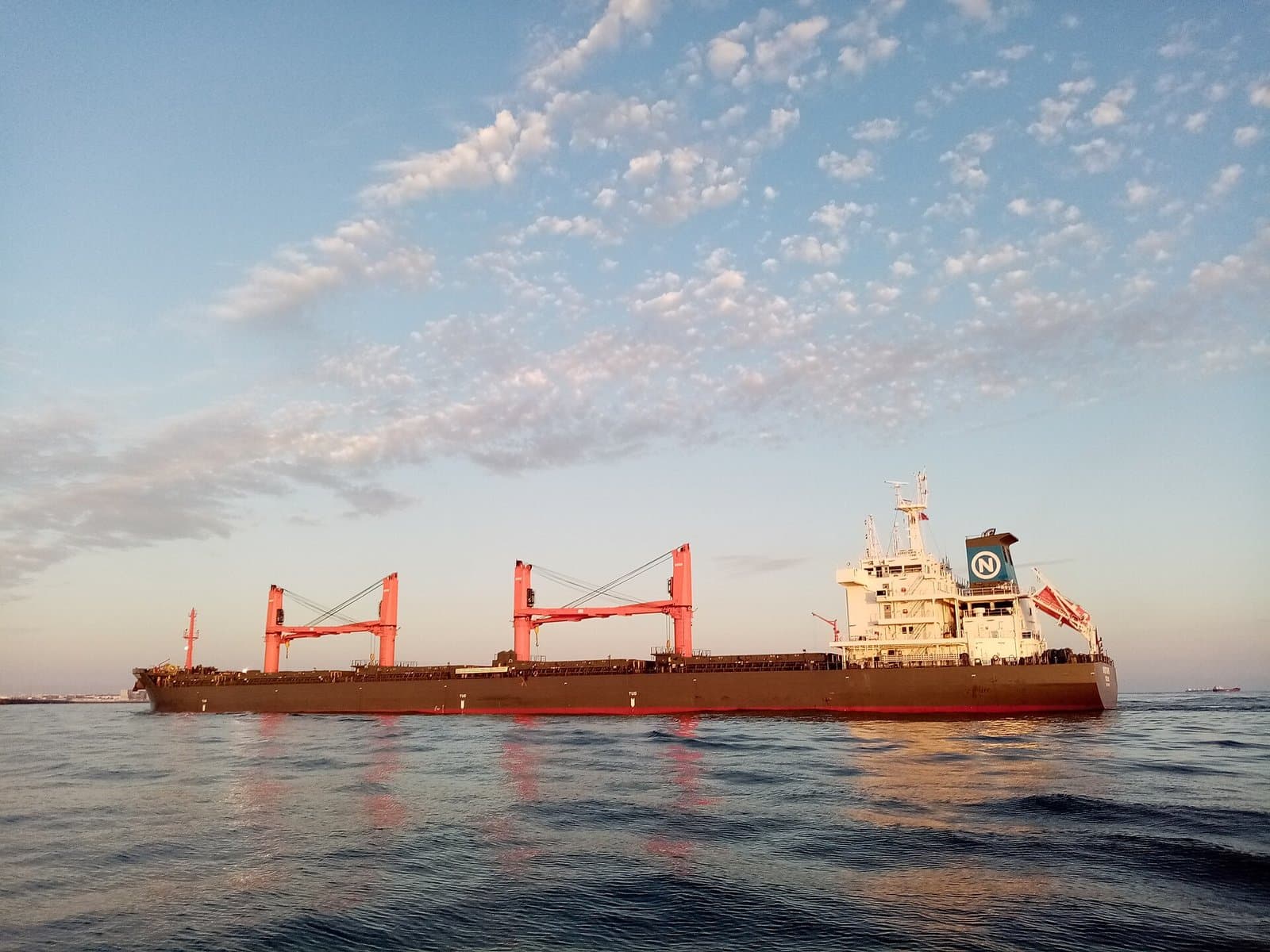
At about 08:15 on March 11 the Thai-flagged bulker Mayuree Naree, sailing in ballast for a subsidiary of Bangkok-listed Precious Shipping, was struck twice and her engine room set ablaze. The Royal Navy of Oman rescued 20 of her crew; three remain missing. The same day the container ship ONE Majesty was damaged at anchor some 60 miles outside the strait, and the Marshall Islands-flagged bulker Star Gwyneth suffered hull damage off the UAE. Within the same 24 to 48 hours an Iranian drone boat attacked the tankers Zefyros and Safesea Vishnu off Basra's export terminals and set both on fire; at least one Indian crew member was killed and 38 people were rescued. Initial reports differ on whether those attacks fell on March 11 or March 12.
Precious Shipping told the Thai stock exchange that the Mayuree Naree carried war-risk insurance and that the company "does not expect the incident to have any material financial impact," Nation Thailand reported. Investors were less assured, and the shares closed 7.3 percent lower.
Sixteen attacks in two weeks
By March 12 the UKMTO-hosted Joint Maritime Information Centre had logged 16 attacks on merchant vessels and four suspicious approaches since the war began, a running record kept in its published advisories. The geography is the alarming part. From Basra in the north to Abu Dhabi and the Gulf of Oman, the entire littoral is now an engagement zone, not merely the strait that shut within a day of the first strikes and was then sealed by the withdrawal of war-risk cover. The waterway carried about 20 million barrels a day before the war, around a fifth of global petroleum liquids, and none of it moves while ships are being hit almost daily. The human cost remains concentrated on crews from the big seafaring labor nations: the missing sailed on a Thai-operated ship, and the confirmed dead this week include Indian nationals.
The escort question
The issue now is protection. Reports in Washington on March 10 said the Pentagon was weighing a convoy operation, provisionally titled Operation Epic Escort, which would put warships alongside merchant traffic for the first time since the reflagged convoys of the 1980s Tanker War. Whether it happens, and whether other flag states wait for it, will define the next phase. Navies under pressure tend to protect their own flags first, and a fragmented system of national convoys is a plausible outcome. The other ceiling is financial: with premiums at four to six times last week's levels, war-risk pricing is approaching the point where only state backstops would keep commercial shipping viable at all.
Cover image: Farid mernissi, CC BY-SA 4.0, via Wikimedia Commons.

As Editor in Chief of The Maritime, I lead content development, interviews, and digital storytelling across our multimedia maritime platform. With over 10 years of experience in the maritime industry, I create and publish in-depth stories and video features that highlight key players, emerging trends, and operational realities across global shipping. Before launching The Maritime, I worked as a Vessel Operator at Imza Marine A.S., gaining hands-on commercial shipping and voyage operations experience. I also served as Marketing Communications Specialist at Gimas Ship Supply & Services, where I managed corporate communication, digital strategy, and industry outreach for shipowners and maritime clients. I hold a Master’s degree in Maritime Transportation Management from Istanbul Technical University and a Master’s degree in Publishing from Marmara University. My work is driven by the belief that the maritime world deserves strong, informed, and accessible media representation. I am committed to sharing the stories of maritime professionals and contributing to the sector’s visibility, knowledge exchange, and future development.