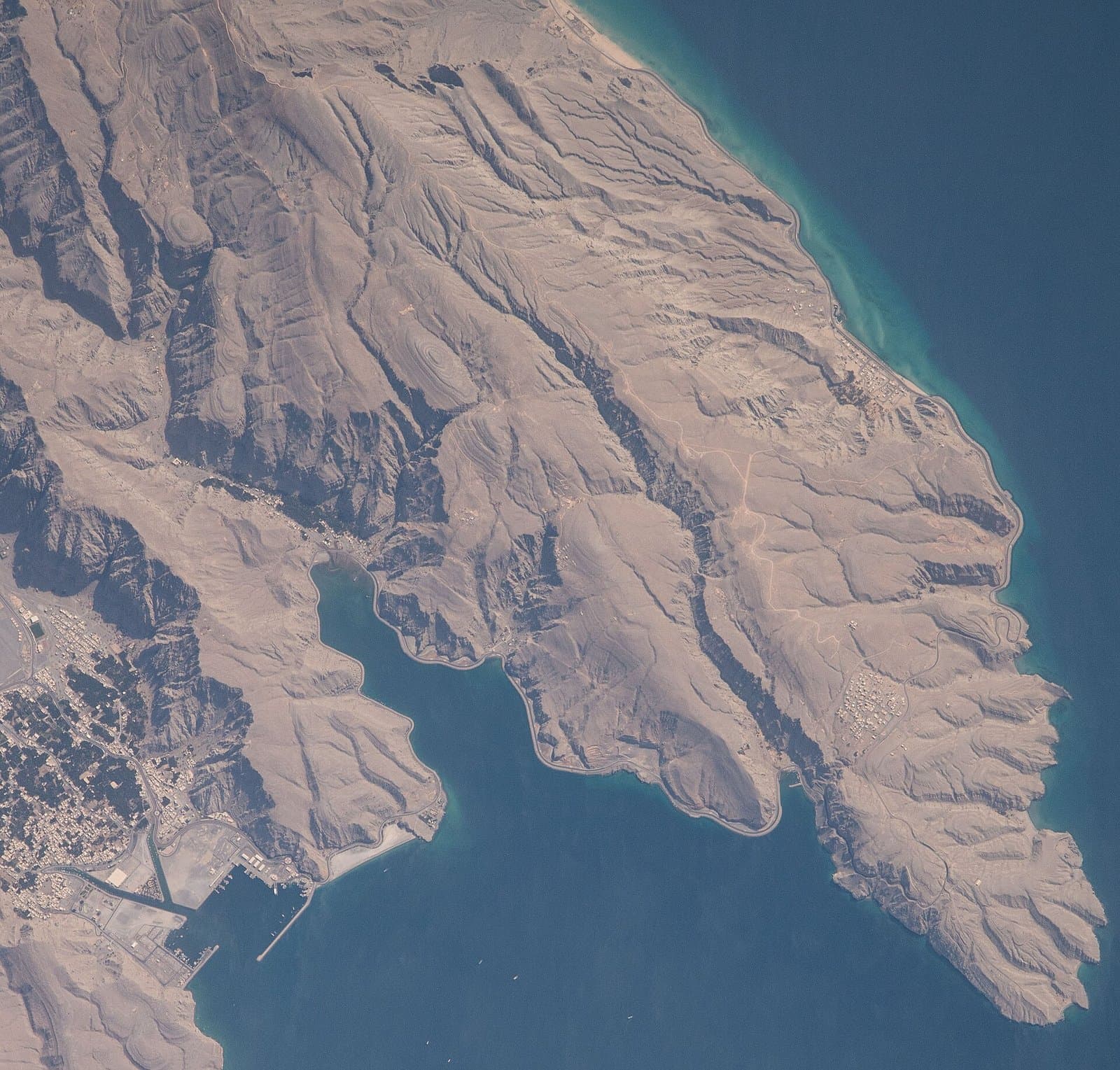
The United States and Israel launched a coordinated air campaign against Iran on February 28, striking IRGC command sites, missile positions, naval bases and airfields in the opening wave. Within 24 hours the Strait of Hormuz, the waterway that carries roughly a quarter of the world's seaborne oil, had all but stopped functioning as a commercial artery. On March 1 the first merchant ships were struck, and the cost of the new war began to fall on civilian crews.
Nothing official has closed the strait. No mine has been reported in the water, and no closure has been announced through recognized maritime safety channels. The shutdown has been achieved by radio threats and risk arithmetic alone, and the speed of the collapse has no modern precedent at an energy chokepoint of this rank.
A chokepoint silenced in a day
As the strikes began, IRGC units broadcast VHF warnings telling merchant traffic that transit through the strait was banned. The UKMTO-hosted Joint Maritime Information Centre issued an advisory note the same day stressing that no official closure existed and urging masters to rely on recognized channels rather than radio traffic. The market had already voted. Ship-tracking data showed around 50 tanker transits on February 28 against a typical count of roughly 138 ships a day. Maersk, CMA CGM and Hapag-Lloyd suspended Hormuz voyages, and by the evening of March 1 the waterway was close to empty.
Insurance repriced before the first merchant hull was touched. War-risk premiums for Gulf voyages, already lifted to 0.125 percent of hull value by months of tension, were being quoted at 0.2 to 0.4 percent within days of the outbreak, according to early market reports, an increase on the order of $250,000 for a single large-tanker voyage. The US Maritime Administration issued advisory MSCI 2026-001A covering the strait, the Persian Gulf, the Gulf of Oman and the Arabian Sea. The opening strikes also destroyed much of Iran's conventional navy in port, including the corvettes IRIS Bayandor and IRIS Naghdi at Konarak and the frigate IRIS Jamaran at Chabahar.
The first ships hit
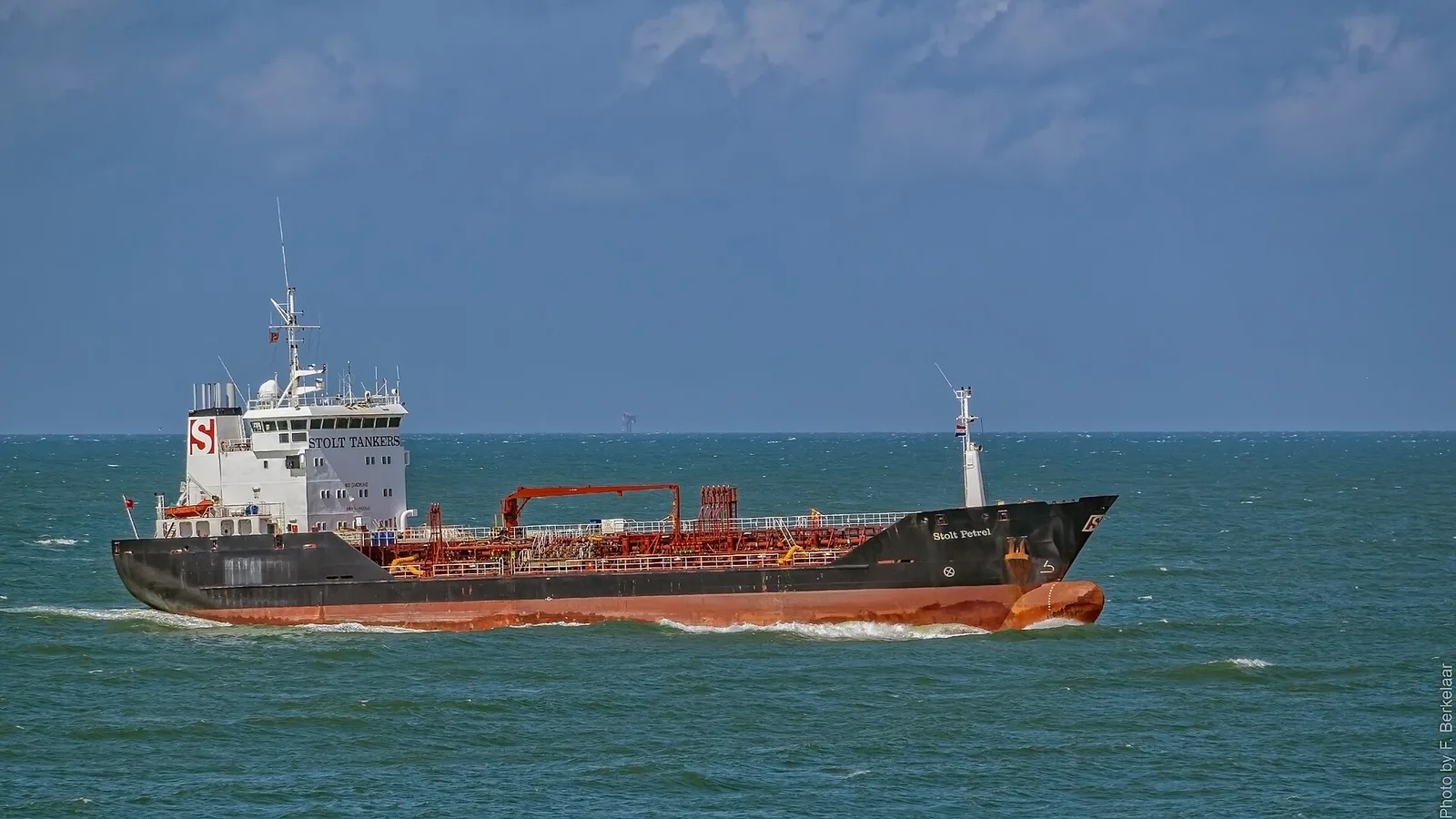
The first confirmed casualty vessel was an unlikely one. The Palau-flagged product tanker Skylight, 11,262 dwt, was struck about five nautical miles north of Khasab on March 1 and caught fire in the engine room, according to initial industry reports. All 20 crew, 15 Indian nationals and five Iranians, were evacuated, with first accounts putting the number of injured at four. The Skylight, formerly the Al Moustafa, was sanctioned by the United States in December 2025 as part of Iran's shadow fleet. "Iran specifically hit one of their own," the tracking service TankerTrackers.com observed.
The day's list grew from there. The Marshall Islands-flagged crude tanker MKD Vyom, 42,000 dwt, was hit about 50 nautical miles north of Muscat and suffered an engine-room fire in which one Indian seafarer was killed. A third vessel was struck 17 nautical miles northwest of Mina Saqr in the UAE; her crew extinguished the fire and the ship continued her voyage. The Gibraltar-flagged Hercules Star was attacked off Ras Al Khaimah, where one crew member was killed, and two drones hit the Omani port of Duqm, injuring one person, the first spillover of the war onto Omani soil.
Why this strait is different
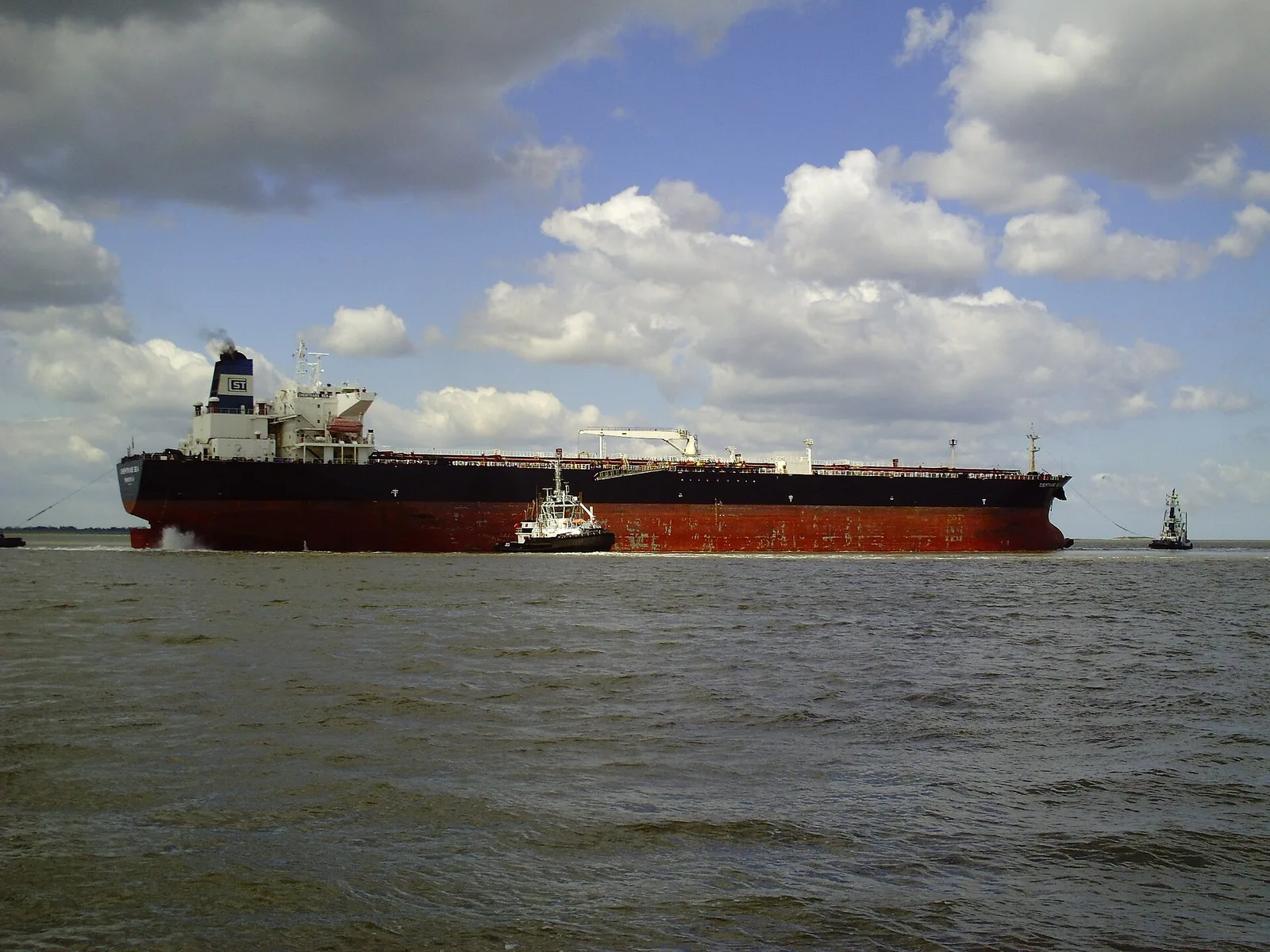
The numbers explain the alarm. Before the war roughly 25 percent of seaborne oil and about 20 percent of global LNG moved through Hormuz, on the order of 20 million barrels of crude and products a day, a concentration long documented in Congressional Research Service analysis of the chokepoint. No pipeline network can replace more than a fraction of that flow. The alternative artery is degrading at the same time: the Houthis announced on February 28 that attacks on Red Sea shipping would resume, pushing more traffic onto the long route around the Cape of Good Hope and tightening effective tanker supply from two directions at once.
A human pattern is also visible from day one. The crews aboard the first ships hit were largely Indian and Iranian nationals. Whatever the flags painted on the sterns, the physical risk of a war at sea in the Gulf falls first on seafarers from the major labor-supplying nations.
What to watch
The coming days will show whether the radio ban of February 28 hardens into something more physical. Mining the strait remains the step underwriters fear most, and none has been reported so far. The war-risk market is the closest thing to a real-time gauge: if premiums keep climbing or cover is withdrawn outright, the strait can stay shut without another shot being fired. Attention will also turn to how flag states and navies respond to attacks on neutral tonnage, and to India, whose nationals were among the dead, the injured and the evacuated on the very first day. The strait was closed by fear in a single day. Reopening it is likely to take far longer.

As Editor in Chief of The Maritime, I lead content development, interviews, and digital storytelling across our multimedia maritime platform. With over 10 years of experience in the maritime industry, I create and publish in-depth stories and video features that highlight key players, emerging trends, and operational realities across global shipping. Before launching The Maritime, I worked as a Vessel Operator at Imza Marine A.S., gaining hands-on commercial shipping and voyage operations experience. I also served as Marketing Communications Specialist at Gimas Ship Supply & Services, where I managed corporate communication, digital strategy, and industry outreach for shipowners and maritime clients. I hold a Master’s degree in Maritime Transportation Management from Istanbul Technical University and a Master’s degree in Publishing from Marmara University. My work is driven by the belief that the maritime world deserves strong, informed, and accessible media representation. I am committed to sharing the stories of maritime professionals and contributing to the sector’s visibility, knowledge exchange, and future development.