Three Indian seafarers are dead after a United States military aircraft fired on the product tanker Settebello in the Gulf of Oman late on June 9, disabling the ship roughly 20 nautical miles northeast of Sohar, Oman. The Palau-flagged vessel was left with a severe engine room fire. The Omani Navy rescued 21 of the 24 crew, all Indian nationals, and the three men initially listed as missing were later confirmed dead.
The deaths are the gravest consequence to date of the US naval blockade on Iranian oil exports, in force since April 13. An enforcement campaign aimed at cargoes has now cost the lives of civilian mariners, drawing a formal protest from India, one of the world's two biggest suppliers of merchant crews alongside the Philippines, and a public condemnation from the head of the International Maritime Organization.
How the strike unfolded
US Central Command said an American aircraft placed precision munitions into the tanker's engine room at 11:14 pm on June 9 after the crew repeatedly failed to comply with instructions. The Settebello, a 47,198 dwt product tanker, was accused of violating the blockade by carrying or seeking Iranian oil. The strike started an intense engine room fire, and the UK Maritime Trade Operations organization relayed the ship's distress while Omani naval units took off survivors.
The Settebello was the second tanker disabled in two days, after the MT Marivex, and at least the third since late May, when the MT Lexie was hit. Figures released by the US put the campaign's running tally at seven vessels disabled, 134 redirected and 42 humanitarian transits allowed through.
A casualty count that took two days to settle
The human toll was unclear for much of June 10. Euronews initially reported one crew member dead and two missing, while other accounts described three men unaccounted for after the engine room burned. Indian reporting subsequently confirmed that all three had died. The shifting numbers reflect how hard verification becomes when a ship is burning far offshore and the rescuers, the flag state and the crewing nation each hold a different piece of the picture.
Delhi protests, the IMO pushes back
India's Ministry of External Affairs summoned the US Chargé d'Affaires Jason Meeks in New Delhi, where Additional Secretary Nagaraj Naidu lodged a strong protest and told the envoy that the "targeting of commercial shipping and civilian infrastructure in the region must end". IMO Secretary-General Arsenio Dominguez also condemned the strike, an unusually direct rebuke of a member state's military action against a merchant ship, as.
For India the strike lands as a national grievance rather than an abstract policy dispute. The dead were civilian employees working under contract on a commercial vessel, whatever the legal status of the cargo their ship was accused of seeking.
The questions ahead
The hardest question is legal. There is no settled doctrine for deliberately disabling a crewed merchant ship, and the Settebello shows why the distinction between stopping a vessel and firing into its manned engine room matters: the space where the munitions struck is exactly where engineers stand watch. Until that question is answered, every interception carries the risk of repeating June 9.
Three things now bear watching. First, crewing: manning agencies in India and the Philippines must price the possibility that a fixture touching Iranian barrels can draw fire, and marine insurers were already recalibrating in the strike's aftermath, as coverage in the Insurance Journal made clear. Second, diplomacy: whether New Delhi's protest hardens into restrictions on Indian crews serving ships in the Iran trade, a step that would tighten an already stretched labor market. Third, precedent: with seven ships disabled so far, the blockade's cost is no longer counted only in redirected cargoes but in seafarers' lives, and that arithmetic will follow the campaign for as long as it runs.
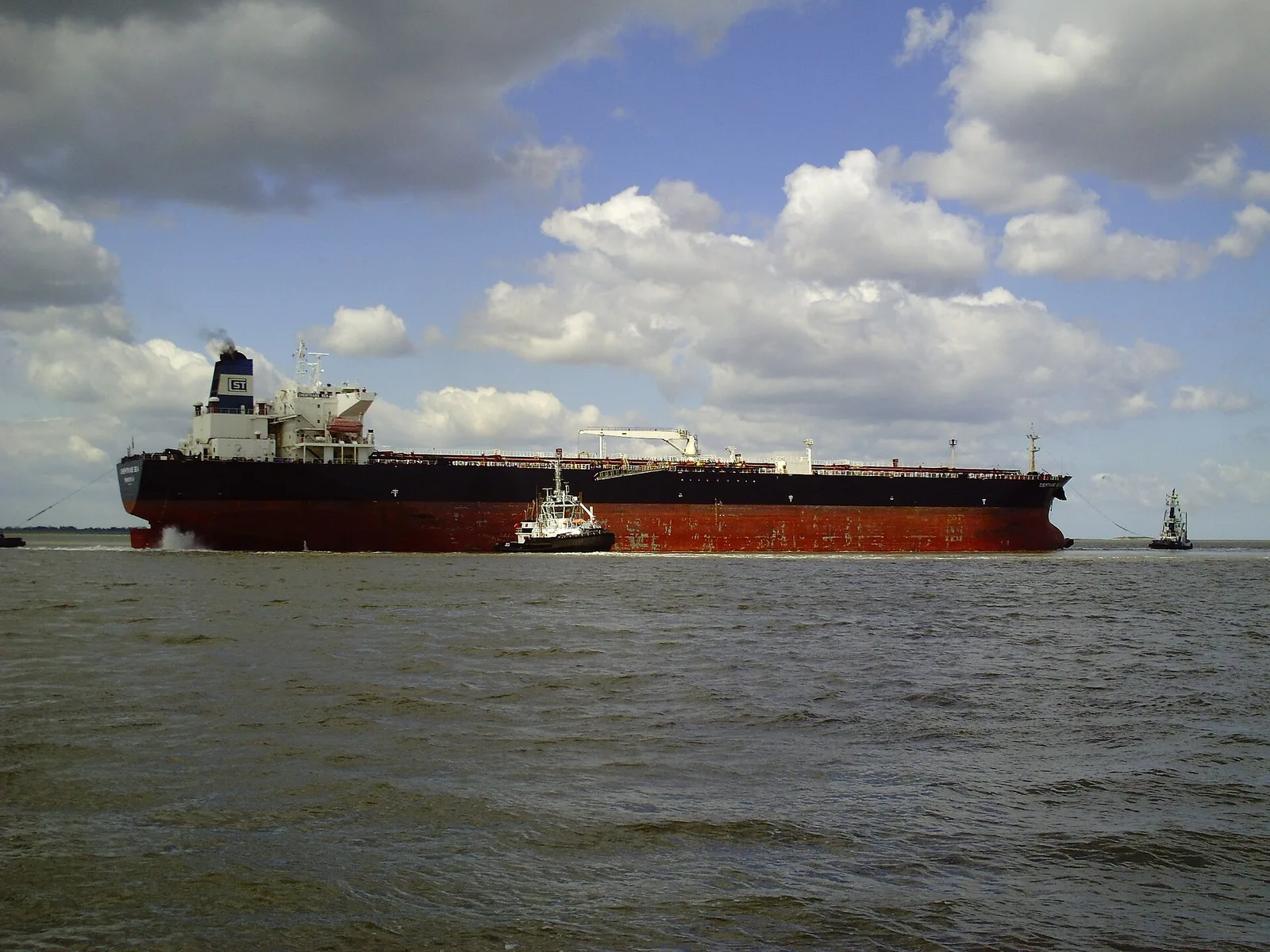
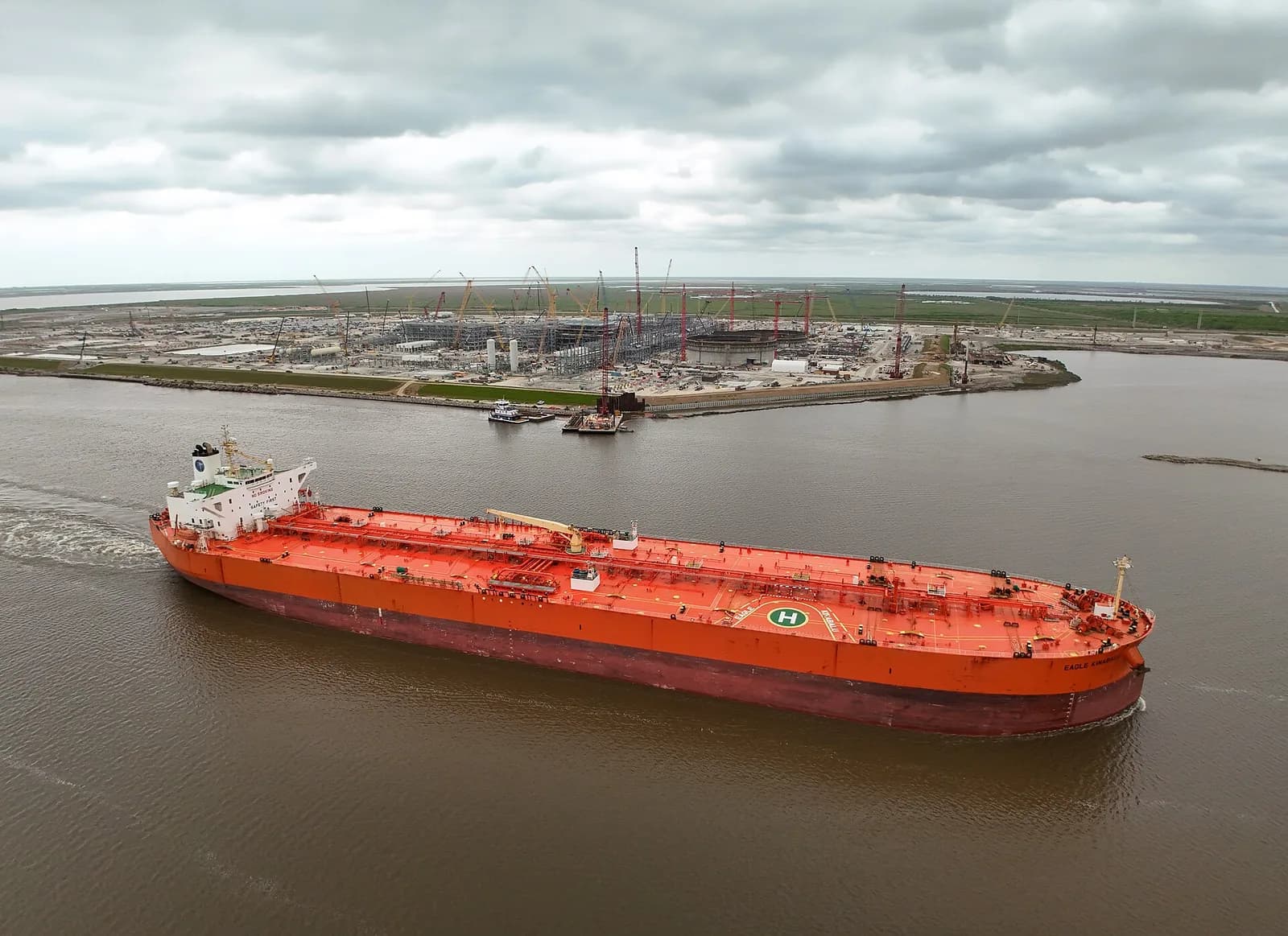
Cover image: Steven Straiton from UK, CC BY 2.0, via Wikimedia Commons.

As Editor in Chief of The Maritime, I lead content development, interviews, and digital storytelling across our multimedia maritime platform. With over 10 years of experience in the maritime industry, I create and publish in-depth stories and video features that highlight key players, emerging trends, and operational realities across global shipping. Before launching The Maritime, I worked as a Vessel Operator at Imza Marine A.S., gaining hands-on commercial shipping and voyage operations experience. I also served as Marketing Communications Specialist at Gimas Ship Supply & Services, where I managed corporate communication, digital strategy, and industry outreach for shipowners and maritime clients. I hold a Master’s degree in Maritime Transportation Management from Istanbul Technical University and a Master’s degree in Publishing from Marmara University. My work is driven by the belief that the maritime world deserves strong, informed, and accessible media representation. I am committed to sharing the stories of maritime professionals and contributing to the sector’s visibility, knowledge exchange, and future development.