United States forces captured President Nicolás Maduro in Caracas in the early hours of January 3 and flew him, with his wife, to the amphibious assault ship USS Iwo Jima, bound for New York and a narcoterrorism indictment. Within hours the country's oil lifeline stopped moving: port captains at the José terminal quit receiving loaded tankers and stopped authorizing departures, Reuters correspondent Marianna Parraga reported the same day.
The result is something the tanker market has never had to price: a state's entire seaborne oil trade switched off by naval enforcement rather than by paper sanctions. The paralysis caps a campaign that began with the quarantine announced on December 17 under Operation Southern Spear, and it leaves loaded ships swinging at anchor while Venezuela's storage fills toward its limits.
US captured Venezuelan president from a "fortress" and he is being taken by ship to New York, Trump tells Fox News
@BBCBreaking January 3, 2026
A port system frozen in place
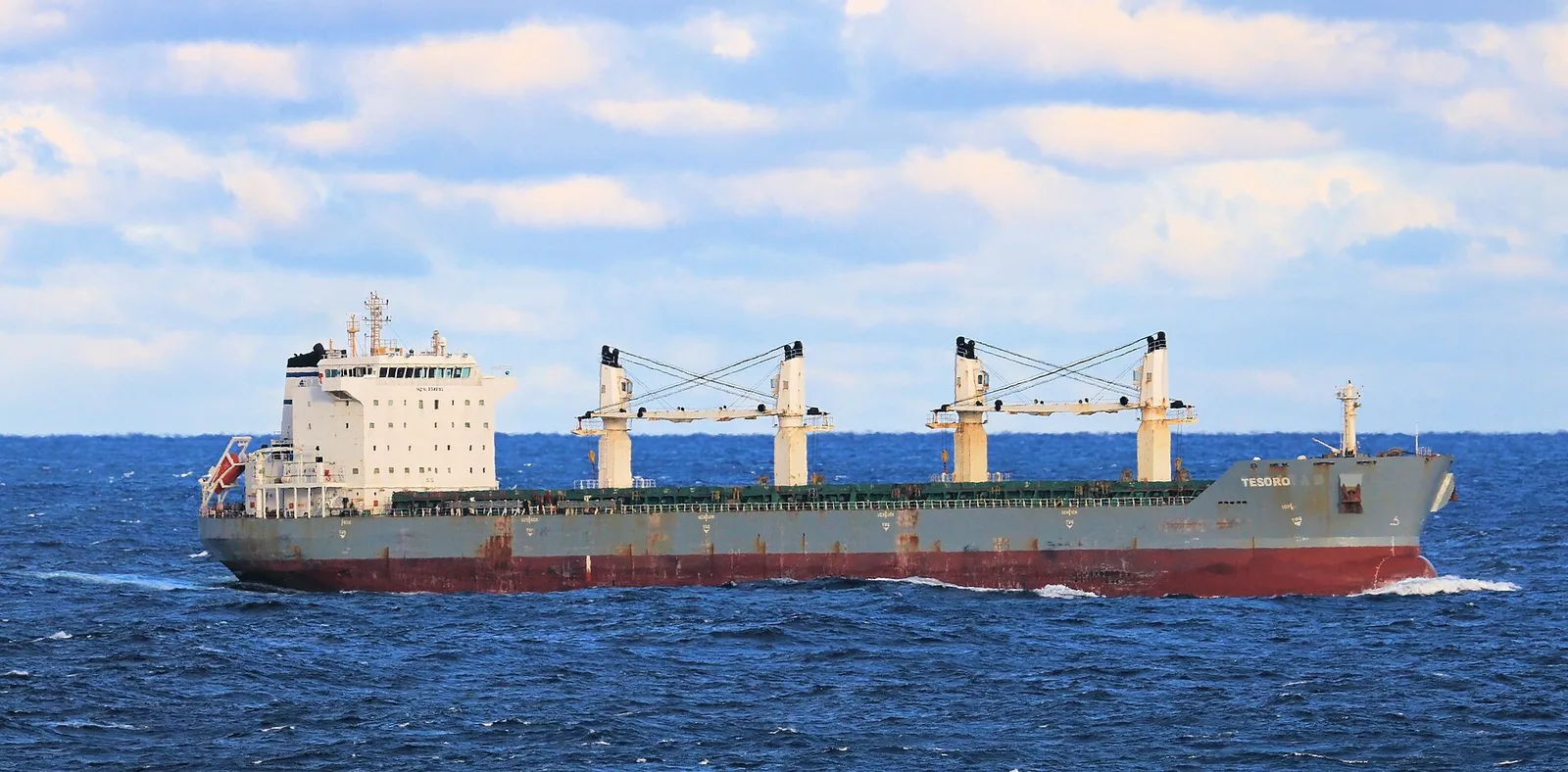
Tankers loaded for buyers in the United States and Asia sat idle on January 3, while vessels that had been waiting for cargoes departed empty rather than linger. Only Chevron-linked tankers, which operate under a US license, continued to move crude freely. Every other operator faced the same arithmetic: no authorization to sail, and a naval quarantine waiting offshore.
The freeze lands on an industry already contracting. PDVSA began shutting wells in the Orinoco Belt on December 28, and output by the end of December ran roughly 25 percent below mid-December levels. December exports fell to 19 million barrels from 27.2 million in November, according to S&P Global Commodity Insights figures. With onshore tanks and floating storage moving toward critical levels, forced wellhead shut-ins threaten to spread through the producing belt, because heavy crude that cannot leave the coast eventually backs up to the wellhead.
The quarantine that made it possible
The enforcement architecture predates the capture. Washington's measure, a blockade in common usage though legally framed as a quarantine, took effect on December 17 under Operation Southern Spear. The template came on December 10, when US forces seized the VLCC Skipper (IMO 9304667), a 310,309 dwt crude carrier holding about 1.85 million barrels of PDVSA oil, in waters between Grenada and Trinidad. Hull-level enforcement, in short, was already achieving what sanctions listings alone never had.
President Trump said on January 3 that an oil embargo on Venezuela was "in full effect", in remarks reported by Reuters. China, a principal buyer of sanctioned Venezuelan barrels, condemned the campaign, though its condemnation moved no cargo.
The dark fleet scatters
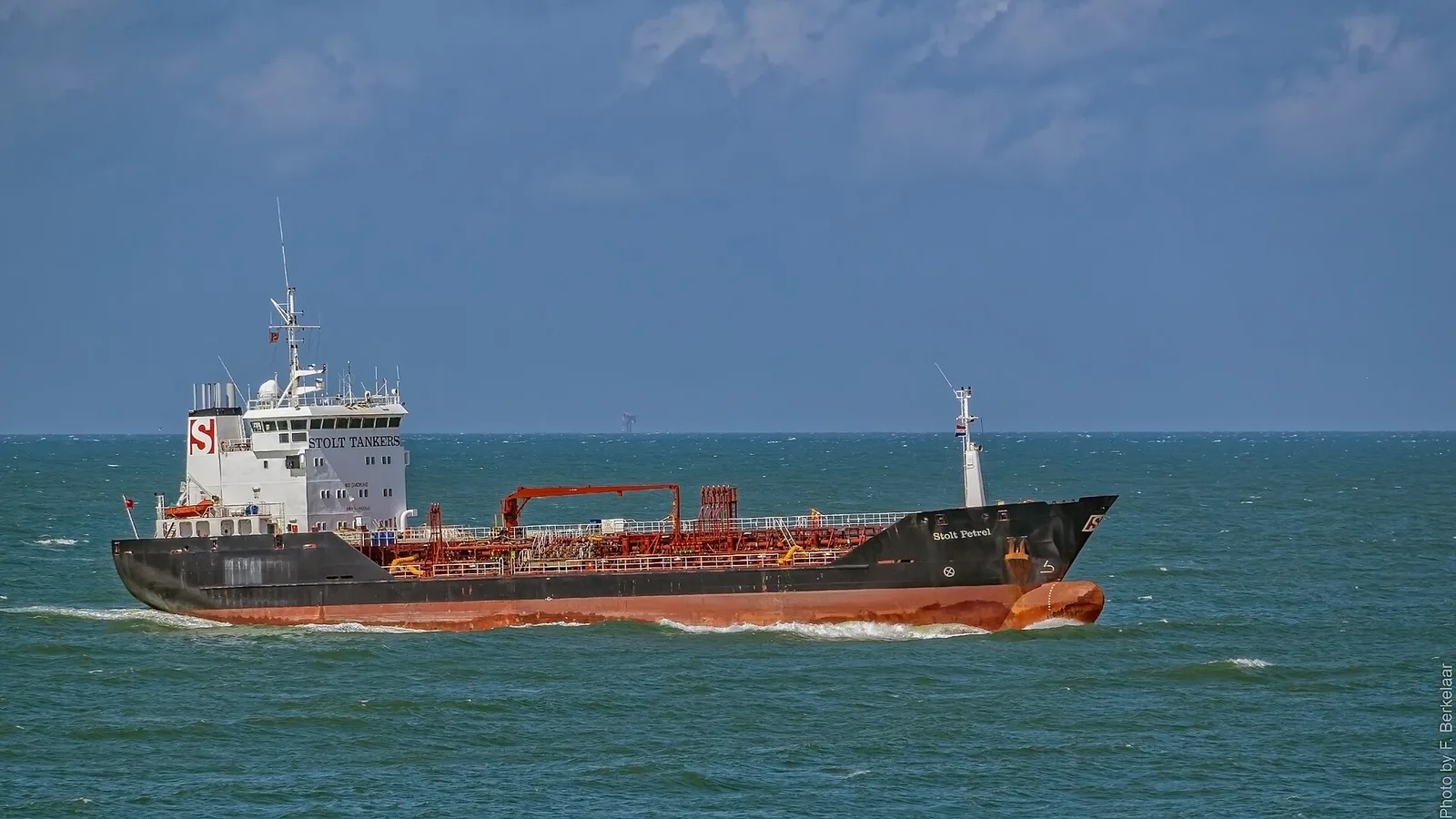
The quarantine's other effect showed up in AIS data. Ship-tracking service TankerTrackers.com reported on January 3 that 16 sanctioned tankers had fled Venezuelan ports to evade the quarantine, many spoofing their positions or going dark altogether. Where that tonnage goes next is an open question. What it cannot do, for now, is load Venezuelan crude.
One escapee has already tried a novel defense. The sanctioned tanker Bella 1 appeared in the Russian Maritime Register on January 1 under the new name Marinera and a Russian flag, a paper shield resting on the assumption that US forces will hesitate to board a vessel flying the flag of a nuclear power. That assumption has not yet been tested at sea.
What to watch
The immediate variable is storage. If José's tanks and the floating fleet stay full, shut-ins deepen and the export machine becomes progressively harder to restart, a dynamic that could outlast whatever political settlement follows the capture. The Atlantic Council's early read sketches the competing scenarios for a post-Maduro transition, none of which restores export volumes quickly. For the tanker market, the scattered dark fleet is the story to track: sixteen sanctioned hulls with nowhere to load, and one of them now testing whether a Russian flag deters a boarding party. Separately, January 1 brought shipping's quieter structural change: the EU Emissions Trading System moved to full 100 percent allowance surrender and extended its scope to methane and nitrous oxide, a cost line owners will still be paying long after the Caribbean headlines fade.

As Editor in Chief of The Maritime, I lead content development, interviews, and digital storytelling across our multimedia maritime platform. With over 10 years of experience in the maritime industry, I create and publish in-depth stories and video features that highlight key players, emerging trends, and operational realities across global shipping. Before launching The Maritime, I worked as a Vessel Operator at Imza Marine A.S., gaining hands-on commercial shipping and voyage operations experience. I also served as Marketing Communications Specialist at Gimas Ship Supply & Services, where I managed corporate communication, digital strategy, and industry outreach for shipowners and maritime clients. I hold a Master’s degree in Maritime Transportation Management from Istanbul Technical University and a Master’s degree in Publishing from Marmara University. My work is driven by the belief that the maritime world deserves strong, informed, and accessible media representation. I am committed to sharing the stories of maritime professionals and contributing to the sector’s visibility, knowledge exchange, and future development.