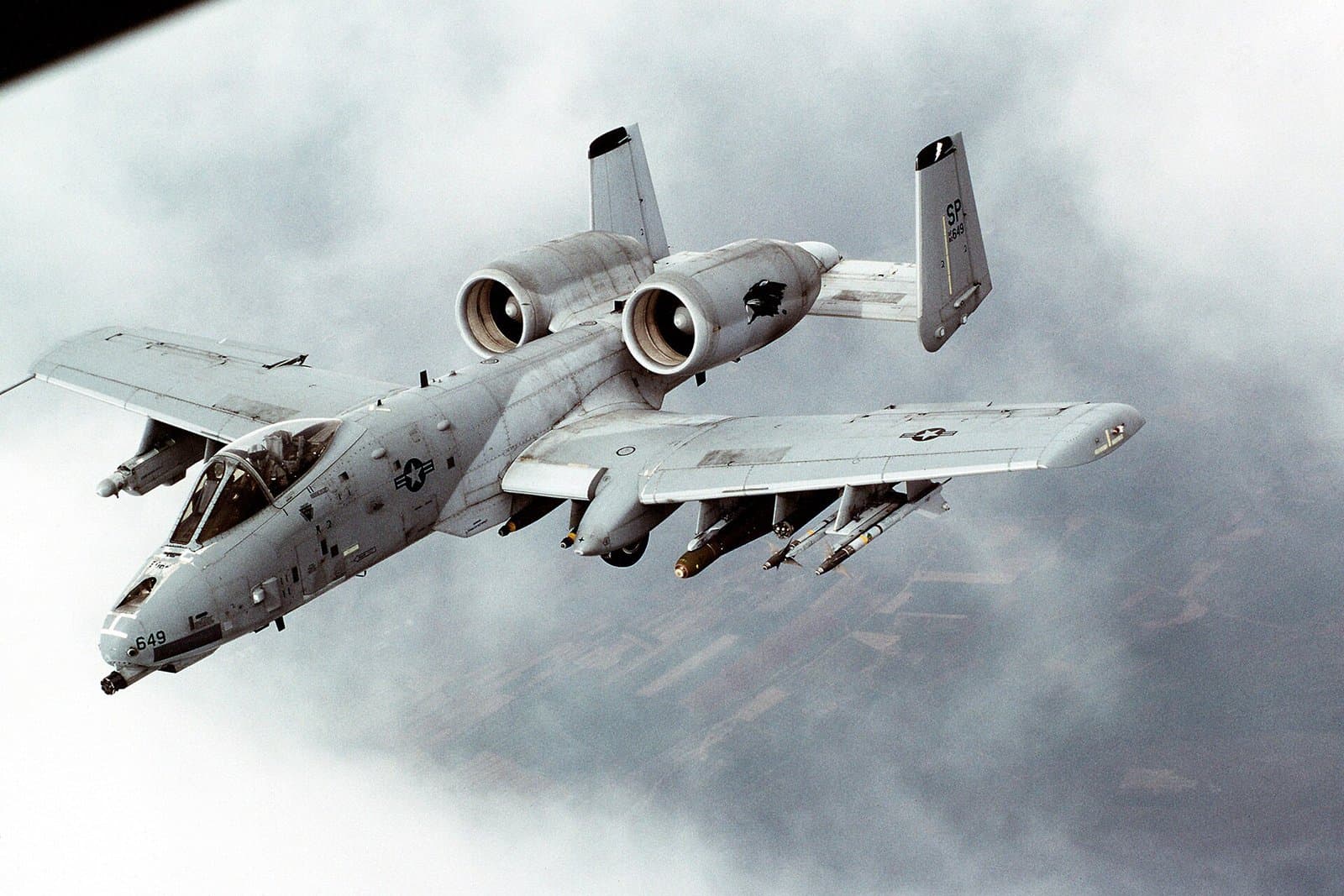
The United States launched a dedicated air campaign on March 19 to reopen the Strait of Hormuz, with A-10 attack aircraft flying against Iranian fast-attack craft and Apache helicopters hunting one-way attack drones, Joint Chiefs of Staff Chairman General Dan Caine said as CENTCOM released strike footage. Hours later France, Germany, Italy, the Netherlands, the United Kingdom and Japan issued a joint statement backing the drive to secure and reopen the waterway, and the European Union added its endorsement.
Three weeks after the strait was closed by threat and underwriting arithmetic, the war has entered a new phase: not denial but reconquest. Not since the Earnest Will convoys of the 1980s has forcibly reopening an energy chokepoint been declared allied policy.
From denial to reconquest
The campaign, already chronicled in a running public record, is aimed squarely at the small craft and drones that have been attacking merchant shipping since February 28. Its foundations were laid on March 17, when CENTCOM employed GBU-72 5,000-pound penetrator bombs against underground coastal silos storing cruise and anti-ship missiles. The allied statement of March 19 set out a sequence: a truce first, then a multilateral naval coalition to keep the strait open. That framing matters, because it commits six major maritime nations to the principle that the waterway will be reopened rather than conceded, a position tracked among the war's flashpoints by the Council on Foreign Relations.
The shooting has not stopped
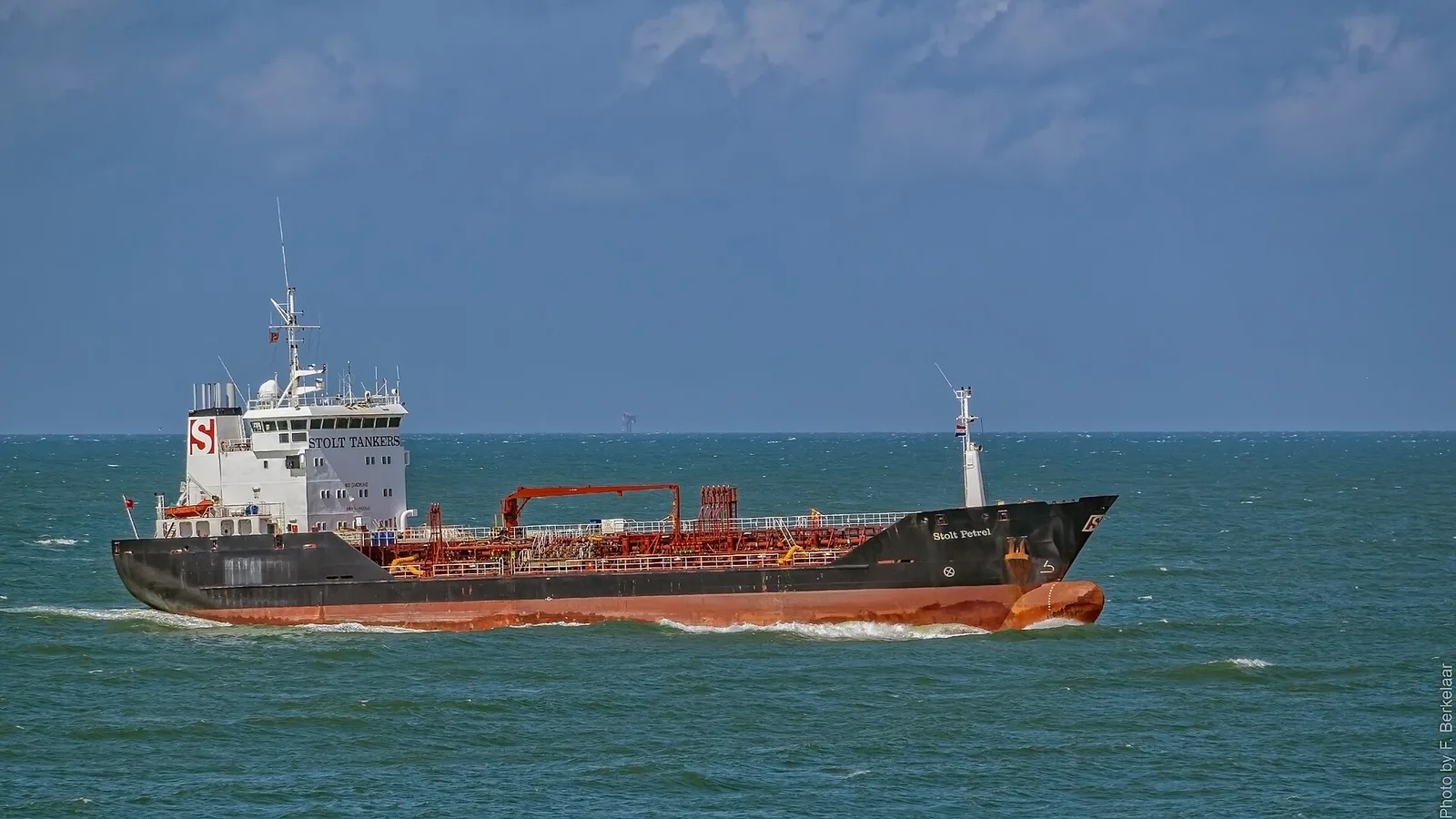
Merchant ships were hit throughout the week. The Kuwaiti tanker Gas Al Ahmadiah was struck about 23 nautical miles east of Fujairah on March 17, suffering structural damage but no injuries; some accounts date the attack to March 16. On March 18 the Palau-flagged chemical tanker Parimal was hit about 11 nautical miles east of Khor Fakkan and caught fire; 15 crew were evacuated and the master is missing. On March 19 the Qatari offshore vessel Halul was damaged by falling debris off Ras Laffan, and on March 20 sixteen commercial boats burned at the Iranian port of Bandar Lengeh in the wake of US and Israeli strikes. The week's incidents extend the pattern that made the previous week the war's deadliest for merchant mariners.
India convoys alone
New Delhi is not waiting for a coalition. On March 18 India dispatched six or more additional warships, including Visakhapatnam-class destroyers and logistics vessels, to stations east of the strait under Operation Sankalp, while declining to send them into the waterway itself, according to reports from New Delhi. Escorts of India-flagged ships through the Gulf of Oman began on March 14, when the LPG carriers Shivalik and Nanda Devi and the crude tanker Jag Laadki made the first convoy run, industry reports said. The stakes are direct: 22 India-flagged ships with 611 seafarers aboard remain inside the Gulf, among them six LPG carriers, one LNG carrier and four crude tankers, and India sources about 90 percent of its LPG imports from the Middle East Gulf. A major importing power has concluded, at least for now, that its energy lifeline is its own navy's job.
The mine problem
Reopening the strait will take more than airstrikes on fast boats. A CNN analysis published on March 16 examined the escort question and the thinnest part of the US toolkit: mine countermeasures. The available US inventory runs to four Avenger-class sweepers and three mine-countermeasures-configured littoral combat ships, and two of the latter, USS Tulsa and USS Santa Barbara, made a logistics stop in Malaysia around March 15 while heading toward the region. Against a mining threat reported since March 10, that is a modest force for the world's most consequential chokepoint, a dependency laid out in a UK parliamentary briefing on the crisis.
The road ahead
The sequence the allies have sketched, truce, coalition, reopened strait, is clean on paper and hard in practice. Air power can thin out fast-attack craft and drones; it cannot sweep a minefield or restore war-risk cover, and merchant traffic will not return in volume until both happen. Watch whether the six-nation statement hardens into ships with orders, whether more importing nations follow India's national-convoy example, and how far Washington is prepared to escalate if the attacks continue. The campaign to reopen Hormuz has begun. The harder question, three weeks into the war, is what reopened will actually mean, and who will insure it.

As Editor in Chief of The Maritime, I lead content development, interviews, and digital storytelling across our multimedia maritime platform. With over 10 years of experience in the maritime industry, I create and publish in-depth stories and video features that highlight key players, emerging trends, and operational realities across global shipping. Before launching The Maritime, I worked as a Vessel Operator at Imza Marine A.S., gaining hands-on commercial shipping and voyage operations experience. I also served as Marketing Communications Specialist at Gimas Ship Supply & Services, where I managed corporate communication, digital strategy, and industry outreach for shipowners and maritime clients. I hold a Master’s degree in Maritime Transportation Management from Istanbul Technical University and a Master’s degree in Publishing from Marmara University. My work is driven by the belief that the maritime world deserves strong, informed, and accessible media representation. I am committed to sharing the stories of maritime professionals and contributing to the sector’s visibility, knowledge exchange, and future development.