Rio Tinto has sold two more of its newcastlemax bulk carriers, this time to trading house Mercuria, taking to six the number sold from a class of eight, The DCN reported on June 23. In the same week, Fortescue and CMB.TECH announced an agreement on June 22 for the miner to charter up to twelve ammonia-capable newcastlemaxes from CMB.TECH's Bocimar.
Two iron ore majors, one week, two opposite shipping bets. Rio Tinto, regarded by brokers as one of the market's most infrequent sellers, is stepping out of ownership in favour of chartered flexibility and capital discipline. Fortescue is moving the other way, locking up tonnage for years to control the fuel side of its energy transition. Between them, the two deals sketch the choice now facing every industrial fleet owner: hold steel, or hold options.
A rare seller lets six ships go
Reports emerged on June 11 that Rio Tinto Shipping was divesting roughly half its owned fleet: the eight newcastlemaxes ordered in 2010 and delivered in 2012 and 2013 for the Pilbara-to-Asia iron ore run. The first pair, RTM Cartier and RTM Zheng He, around 205,000 dwt apiece, went to Chinese buyers for about $90 million en bloc in April 2026. Turkey's Yasa Shipping took several more, and the latest two have gone to Mercuria. That leaves four on the market: RTM Dampier, RTM Drake, RTM Columbus and RTM Tasman.
If the programme completes, Rio's owned fleet shrinks from 17 ships to nine, a tail of seven supramaxes and two panamaxes, according to The DCN. The stated rationale is orthodox: chartered tonnage gives flexibility, capital goes back to the mines, and the charter market can supply newer ships than a 2012-vintage octet. What makes it a market event is the identity of the seller. Brokers reported in June that Asian demand was pouring into the capesize sale-and-purchase market, with Economou and Tsakos also selling capes. Into that bid, a famously reluctant seller has released six modern 205,000-tonners. That is a supply event on the asset side, not routine portfolio churn.
Fortescue buys the fuel transition instead
Fortescue's June 22 agreement with CMB.TECH covers up to twelve ammonia-capable newcastlemaxes of around 210,000 dwt, chartered from Bocimar, according to the companies' joint announcement. Up to three will be fitted with WinGD dual-fuel ammonia engines and are due in service by the end of 2026; the other nine will be delivered ammonia-ready. All are being built at Qingdao Beihai. Fortescue puts the potential saving at around 250,000 tonnes of CO2 a year if the vessels run on green ammonia.
The structure matters as much as the technology. Fortescue is not buying these ships; it is chartering them long, which leaves the residual risk of first-generation ammonia tonnage with an owner whose business is carrying exactly that risk. Rio wants no residual exposure at all. Both miners end up asset-lighter, but Fortescue has secured access to zero-carbon-capable tonnage on a fixed timeline while Rio has traded ownership for whatever the charter market offers.
Commodity houses on the buy side
Mercuria's name on the buyer's list is a signal in its own right. A trading house acquiring modern newcastlemaxes is treating freight not as a cost to be hedged but as an asset class to be owned, the same logic drawing Asian money into the capesize secondhand market. The consequence for charterers is real: tonnage that once sat on an industrial owner's balance sheet, dedicated to a single trade, will now chase the best-paying cargo wherever it loads.
What to watch
The forward hook is the unsold quartet: RTM Dampier, RTM Drake, RTM Columbus and RTM Tasman. Where those four land, and at what level against the roughly $90 million en bloc the first pair fetched in April, will show whether appetite for modern 205,000-dwt tonnage survives the extra supply. Watch, too, whether other industrial shippers read Rio's exit as a template, and whether the first WinGD ammonia engines genuinely enter service by the end of 2026. If they do, Fortescue's charter stops being a press release and becomes the benchmark every iron ore shipping tender has to answer.
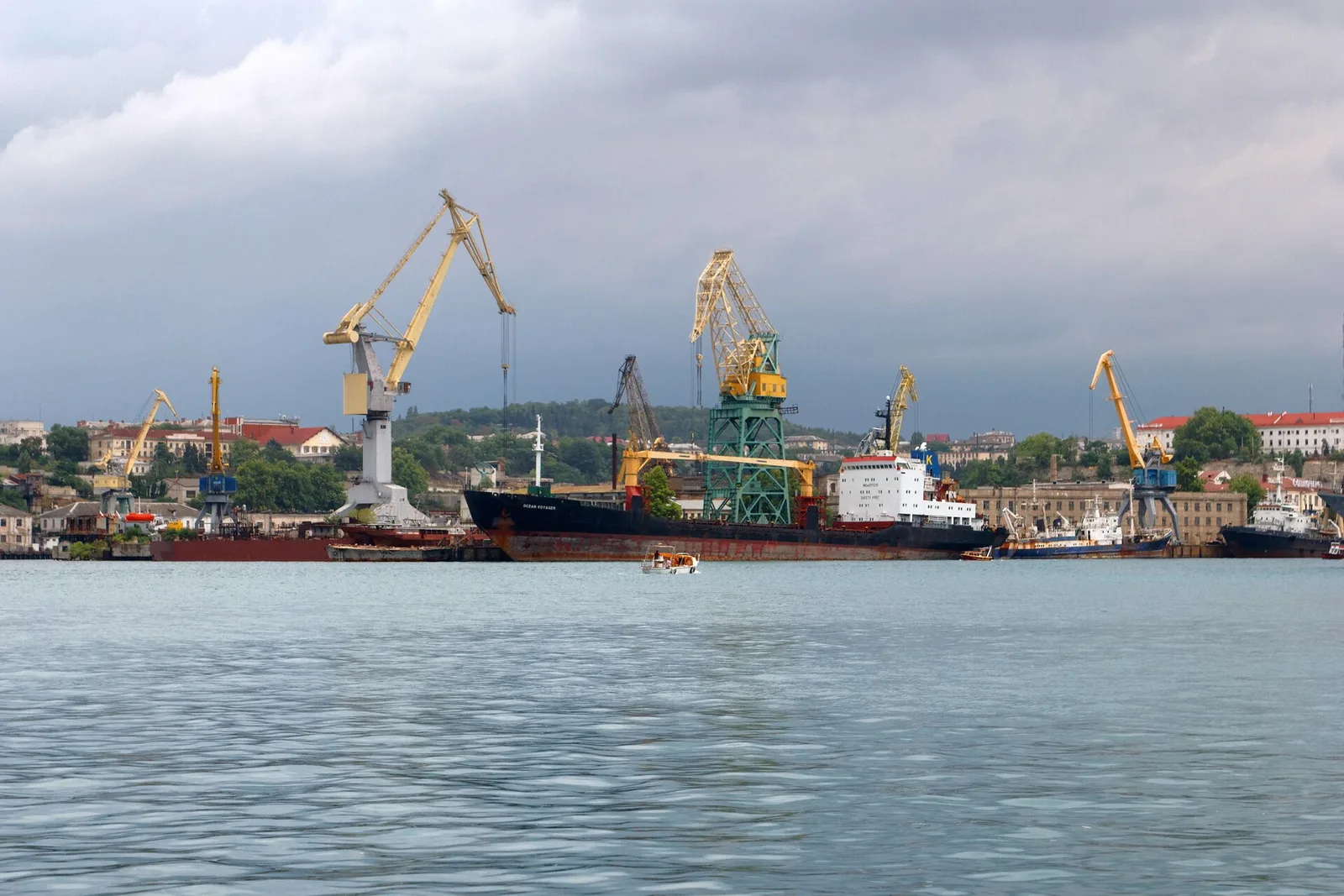
Cover image: AashayBaindur, CC BY-SA 3.0, via Wikimedia Commons.
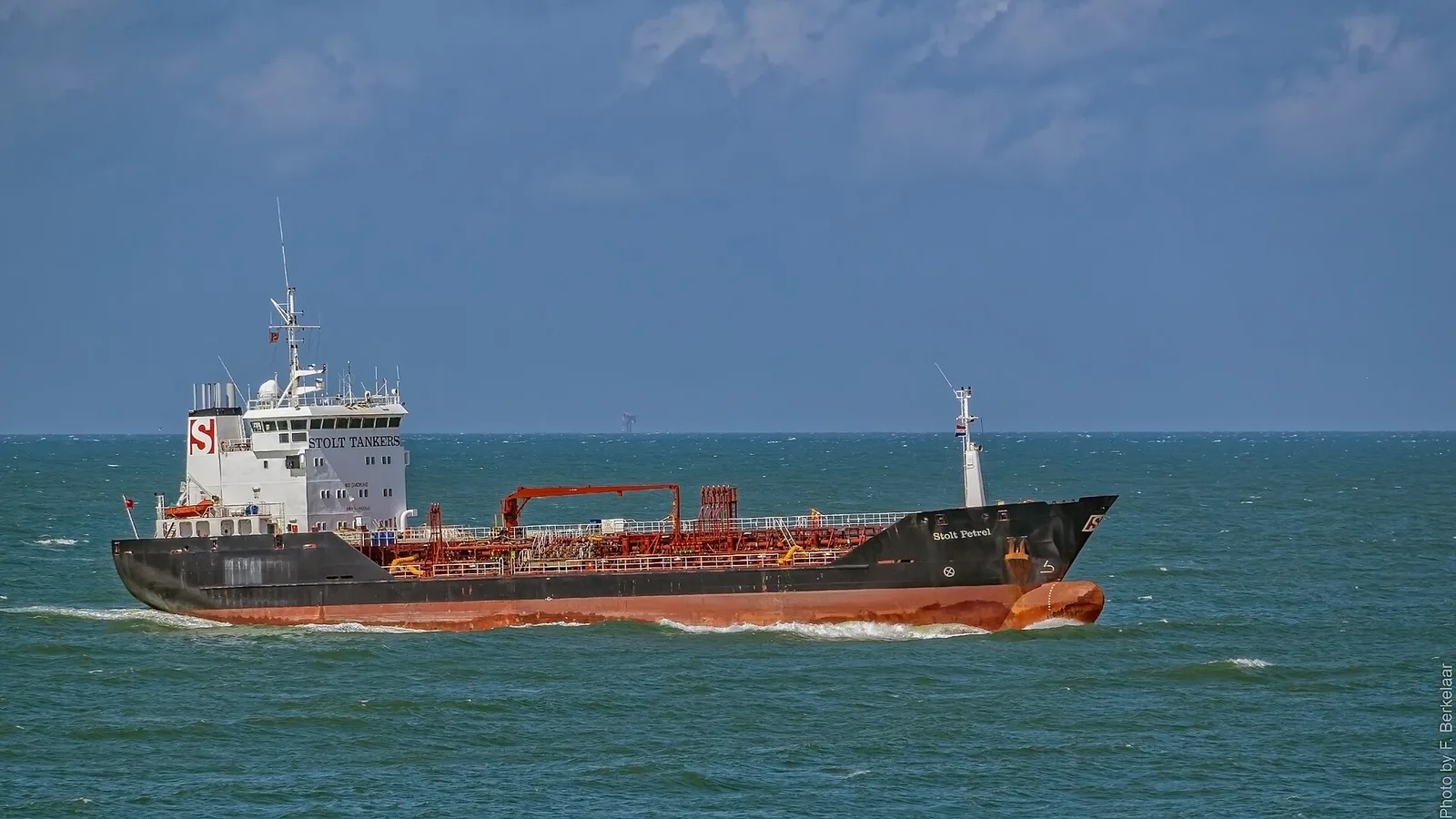
Cover image: Gordon Leggett, CC BY 4.0, via Wikimedia Commons.

As Editor in Chief of The Maritime, I lead content development, interviews, and digital storytelling across our multimedia maritime platform. With over 10 years of experience in the maritime industry, I create and publish in-depth stories and video features that highlight key players, emerging trends, and operational realities across global shipping. Before launching The Maritime, I worked as a Vessel Operator at Imza Marine A.S., gaining hands-on commercial shipping and voyage operations experience. I also served as Marketing Communications Specialist at Gimas Ship Supply & Services, where I managed corporate communication, digital strategy, and industry outreach for shipowners and maritime clients. I hold a Master’s degree in Maritime Transportation Management from Istanbul Technical University and a Master’s degree in Publishing from Marmara University. My work is driven by the belief that the maritime world deserves strong, informed, and accessible media representation. I am committed to sharing the stories of maritime professionals and contributing to the sector’s visibility, knowledge exchange, and future development.