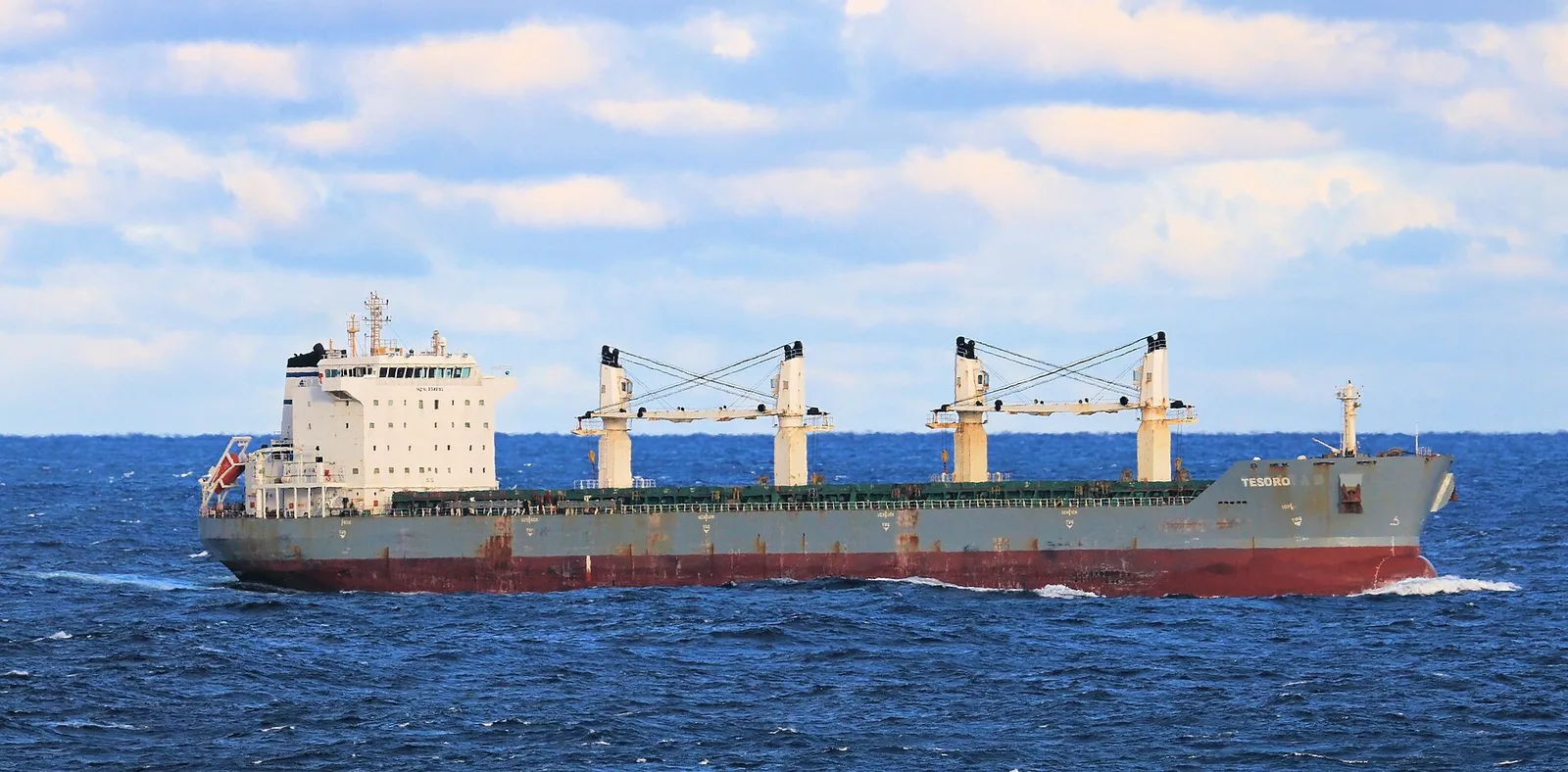
The International Maritime Organization has paused its evacuation of some 11,000 seafarers stranded aboard roughly 600 merchant vessels inside the Gulf, two days after the operation began. Secretary-General Arsenio Dominguez halted the plan on June 25, hours after the Singapore-flagged container ship Ever Lovely was struck on her starboard side by a suspected drone about 14 kilometers off the Omani coast, Al Jazeera reported.
The stakes are human before they are commercial. Fourteen seafarers have been killed and more than 40 vessels attacked since February, when the Strait of Hormuz was in effect blocked by mining and threats from the IRGC. The operation is the largest coordinated withdrawal of merchant ships and crews in modern history, and it ran for barely three and a half days before stopping.
Two corridors through a mined strait
The plan, announced by the IMO on June 23 in the wake of the June 17 memorandum of understanding between the United States and Iran, could not use the strait's normal traffic separation scheme because of mines. It relied instead on two temporary corridors: a northern route near the Iranian coast, administered by Iran, and a southern route through Omani and UAE waters, supported by Oman and the United States. Iran's Persian Gulf Strait Authority warned that transits outside the designated routes would not be covered by safe-passage guarantees, a caveat that left every ship's exit resting on the goodwill of the parties that had spent four months shooting.
There was a working precedent, though on a far smaller scale. Between March 14 and 24, five India-flagged LPG carriers were brought out of the Gulf under Indian Navy escort in Operation Sankalp. Scaling that concept from five ships to 600 was the wager the IMO made.
Three and a half days, 115 ships out
The early numbers suggested the framework was holding. In its first three and a half days the plan moved 115 ships and about 2,500 crew out of the Gulf, UN News reported. Daily crossings rose from 31 on June 23 to 70 on June 24, against a pre-war norm of about 120 vessels a day. The gap between 70 and 120 measured both convoy mechanics and lingering caution, but the direction was right.
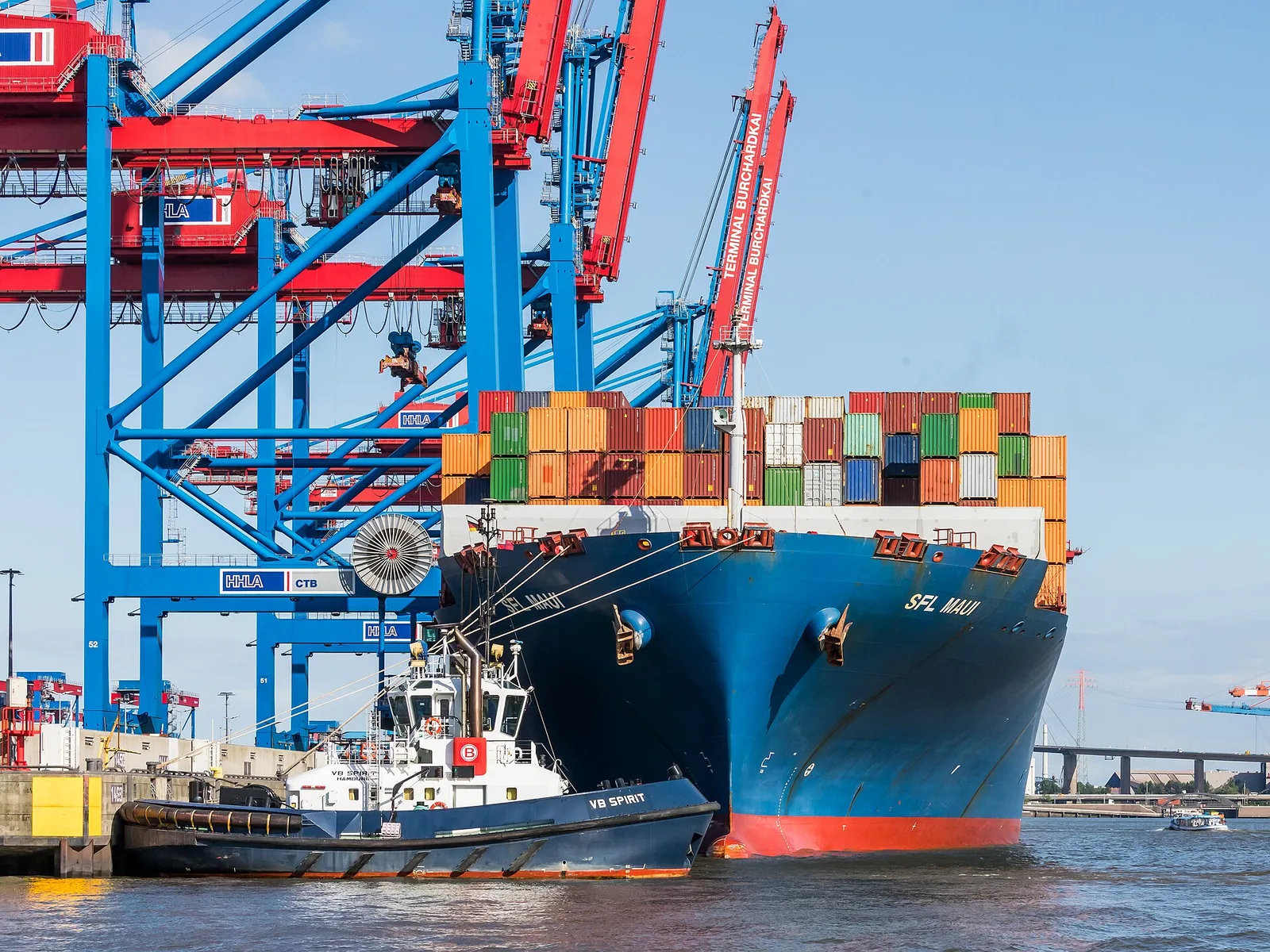
Container shipping illustrates the backlog behind those figures. More than 50 boxships remained stranded after the ceasefire, and only nine had departed by June 23. Two Iranian-linked container ships of more than 6,000 TEU have been sold for scrap, the largest boxships commercially scrapped since 2020, according to Linerlytica figures cited in the coverage. For some owners, the arithmetic of a trapped ship had already tipped from waiting to writing off.
Why one strike froze the whole plan
The Ever Lovely was not sailing under the IMO framework when she was hit. That distinction offered no protection to the plan itself. The corridors carry no enforcement mechanism; they work only so long as every master, owner, insurer and flag state believes the safety guarantees behind them, and a drone strike on a merchant ship off the Omani coast, where the southern corridor runs, put that belief in question at a stroke. "I have decided to temporarily pause [the evacuation plan's] implementation," Dominguez said in the IMO's statement, pending verification of those guarantees. A framework built on trust stopped the moment trust did.
What restarting will take
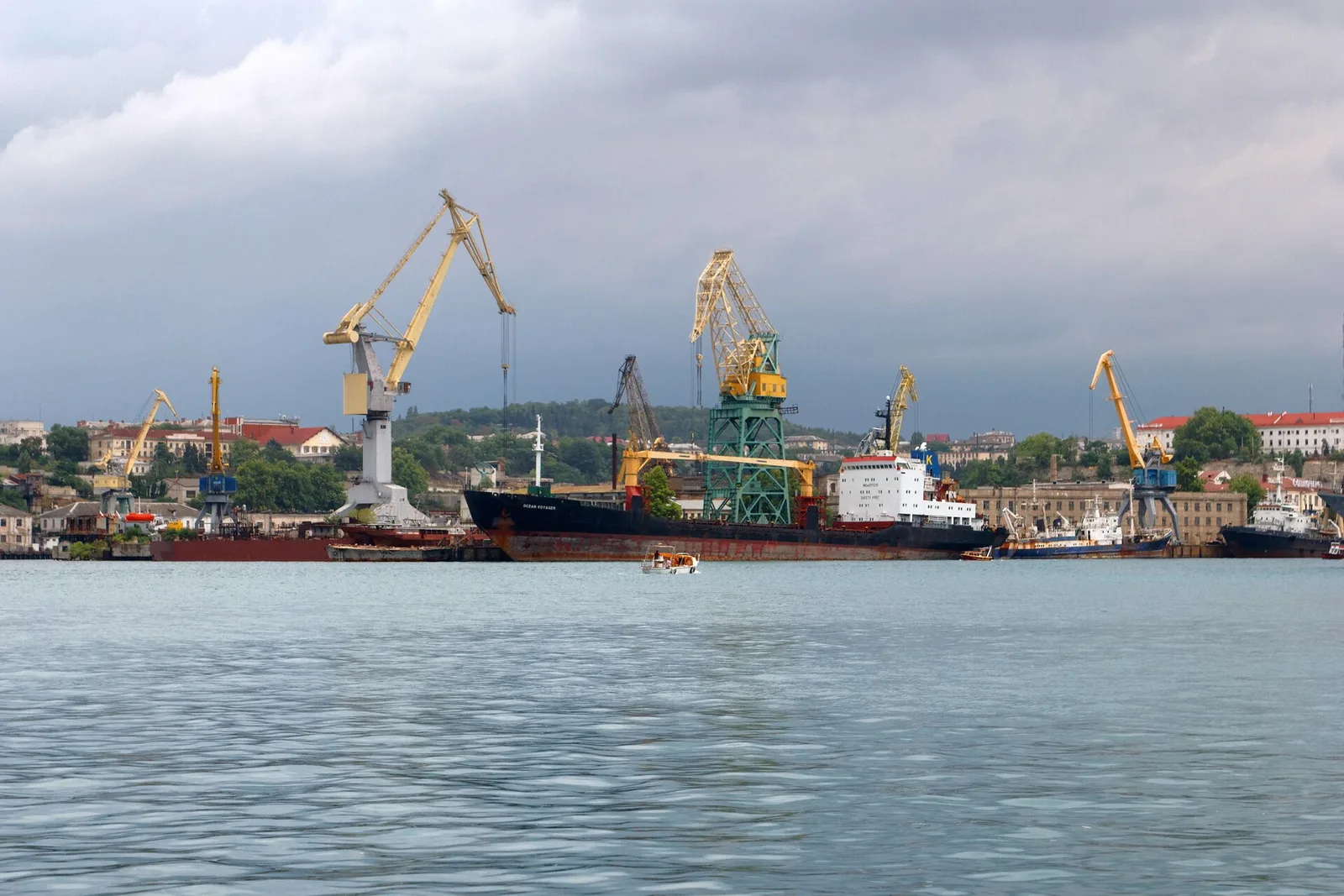
For the market, the arithmetic is stark: about 600 ships and 11,000 crew are subtracted from the working world fleet for as long as the pause lasts, tightening effective vessel supply and feeding the congestion and freight strength visible across neighboring trades. For the people aboard, the arithmetic is starker still. Many of these crews have been confined to their ships since late February, and every paused day extends that confinement. A restart requires what the first attempt lacked: verified rather than declared safety guarantees, and an answer for what happens when a ship outside the framework is attacked beside it. Until those exist, the largest merchant evacuation ever attempted sits at anchor along with the people it was designed to bring home.

As Editor in Chief of The Maritime, I lead content development, interviews, and digital storytelling across our multimedia maritime platform. With over 10 years of experience in the maritime industry, I create and publish in-depth stories and video features that highlight key players, emerging trends, and operational realities across global shipping. Before launching The Maritime, I worked as a Vessel Operator at Imza Marine A.S., gaining hands-on commercial shipping and voyage operations experience. I also served as Marketing Communications Specialist at Gimas Ship Supply & Services, where I managed corporate communication, digital strategy, and industry outreach for shipowners and maritime clients. I hold a Master’s degree in Maritime Transportation Management from Istanbul Technical University and a Master’s degree in Publishing from Marmara University. My work is driven by the belief that the maritime world deserves strong, informed, and accessible media representation. I am committed to sharing the stories of maritime professionals and contributing to the sector’s visibility, knowledge exchange, and future development.