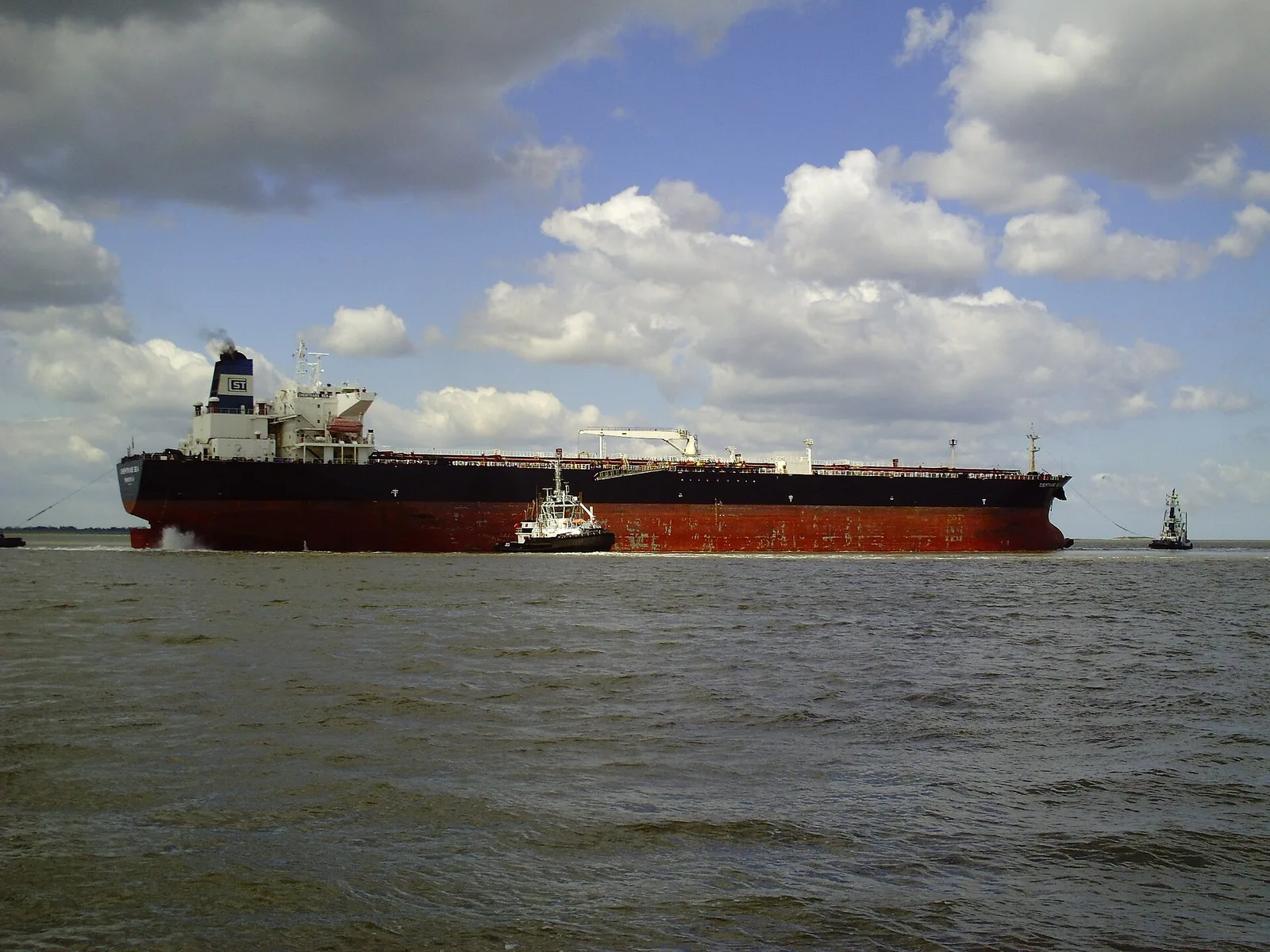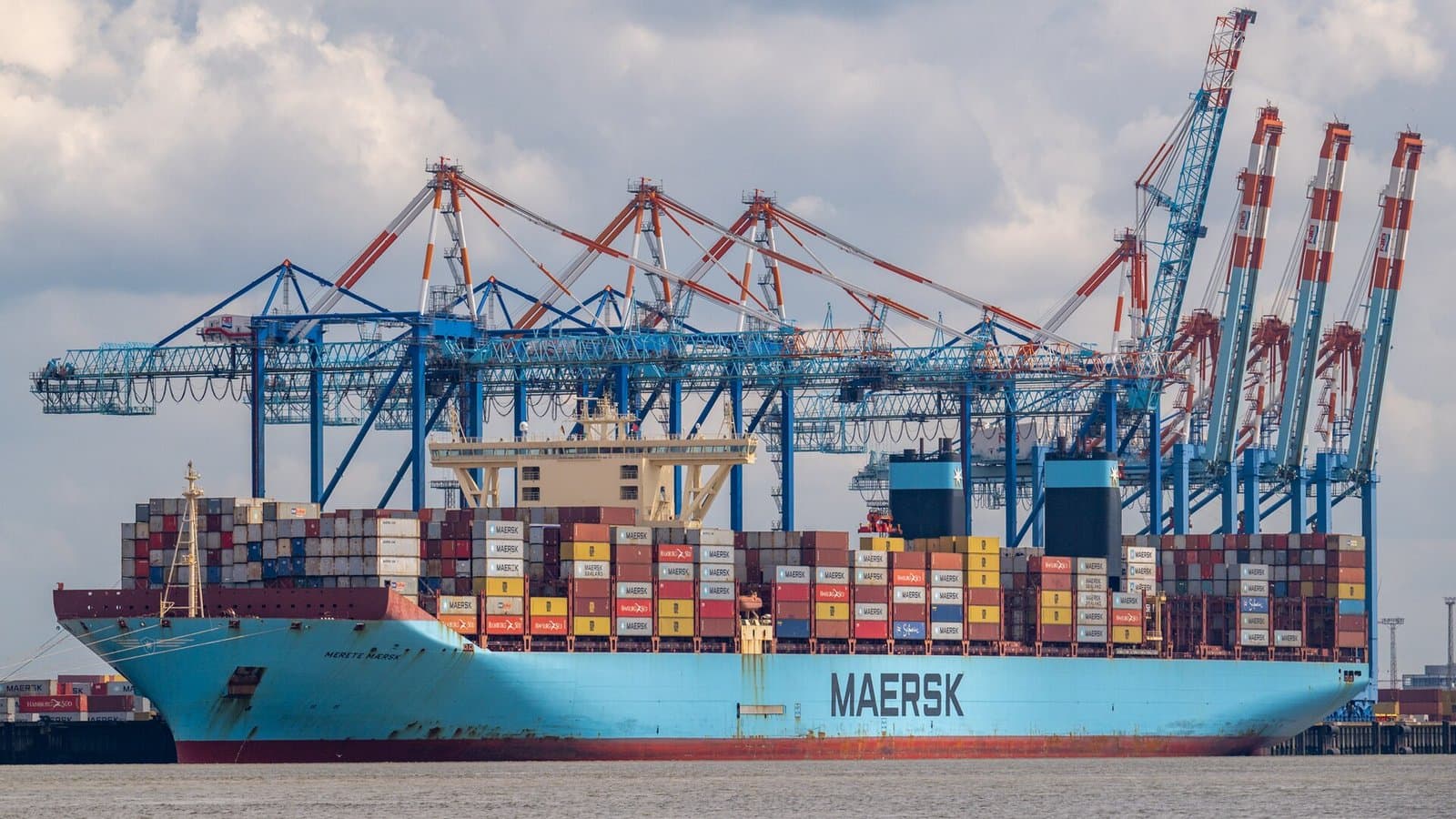
Maersk and Hapag-Lloyd are sending a Gemini Cooperation service back through the Red Sea for the first time, announcing on February 3 that the ME11 loop connecting India and the Middle East with the Mediterranean will transit the Suez Canal from mid-February. The eastbound Astrid Maersk, a 16,592 TEU vessel delivered in 2024, departed Valencia on February 3 on voyage 605E, and the westbound Albert Maersk, a 2025-built sister ship, is scheduled to sail from Mundra on February 4 on voyage 605W, according to a Maersk customer advisory issued the same day.
The announcement carries weight well beyond a single string. Gemini, launched on February 1, 2025 with roughly 290 to 340 vessels and 3.4 to 3.7 million TEU of capacity, was designed from day one around the Cape of Good Hope, and no scheduled Gemini service had used the corridor until now. It is also Hapag-Lloyd's first Red Sea return since the start of 2024, which makes the alliance the last major holdout to commit ships to Suez.
A deliberate single-service test
Every ME11 transit will be secured by EUNAVFOR's Operation Aspides, which by January had supported more than 1,450 merchant vessels through the corridor, the carriers said in Hapag-Lloyd's announcement. Two further services, SE1 and SE3, are expected to shift later, but the bulk of Gemini's Asia to North Europe loops will stay on the Cape routing for now, and the partners have made the whole move conditional on security conditions holding. Maersk had already returned its MECL service to Suez ahead of the alliance network, so ME11 extends a cautious, service-by-service pattern rather than signaling a general rush back. The alliance built its schedule-reliability promise on the longer but predictable Cape routing, which makes each escorted loop a live trial of whether Suez can once again be planned around.
The economics of going back
The prize is time. Routing via Suez saves up to 19 days westbound between Salalah and Port Said and around seven days eastbound, on voyages more than 3,000 nautical miles shorter than the Cape alternative, according to industry reports on the announcement. The canal normally carries about 12 percent of global seaborne trade, but container transits fell by roughly 60 percent during the crisis. In the week ended January 11, 26 container ships passed through, the busiest week in a month yet still far below the roughly 80 weekly transits seen before the attacks began, industry transit counts show.
Why now
The calculation rests on more than six months without a confirmed Houthi attack on merchant shipping, alongside the Gaza ceasefire reached in October 2025. The toll of the preceding two years explains the caution. Since the attacks began on November 19, 2023, more than 100 vessels have been targeted, four have been sunk and one seized, and at least eight seafarers have been killed.
Even with warships in escort, the measured pace reflects a hard commercial lesson about what the crisis did to schedule integrity. "Unpredictability is toxic for supply chains," Xeneta analyst Destine Ozuygur told industry press, and Xeneta has laid out its fuller read in an analyst update on the service return.
What to watch
The supply math is the thing to track. Cape diversions have tied up roughly a tenth of global boxship capacity, and if ME11 holds and SE1 and SE3 follow, that tonnage begins flowing back into effective supply, with obvious implications for freight rates on the main east-west trades. Watch, too, whether rival networks accelerate their own returns rather than concede a transit-time advantage on Asia to Mediterranean routings, and how insurers price the corridor as escorted transits accumulate. All of it remains conditional. The carriers have been explicit that deteriorating conditions could put the network straight back on the Cape, and the experience since November 2023 argues against declaring the crisis over. For the moment, one loop of sixteen-thousand-TEU ships sailing behind European warships is the strongest signal yet that the Cape era may be approaching its end.
Cover image: Stefan Brending (2eight), CC BY-SA 3.0 de, via Wikimedia Commons.

As Editor in Chief of The Maritime, I lead content development, interviews, and digital storytelling across our multimedia maritime platform. With over 10 years of experience in the maritime industry, I create and publish in-depth stories and video features that highlight key players, emerging trends, and operational realities across global shipping. Before launching The Maritime, I worked as a Vessel Operator at Imza Marine A.S., gaining hands-on commercial shipping and voyage operations experience. I also served as Marketing Communications Specialist at Gimas Ship Supply & Services, where I managed corporate communication, digital strategy, and industry outreach for shipowners and maritime clients. I hold a Master’s degree in Maritime Transportation Management from Istanbul Technical University and a Master’s degree in Publishing from Marmara University. My work is driven by the belief that the maritime world deserves strong, informed, and accessible media representation. I am committed to sharing the stories of maritime professionals and contributing to the sector’s visibility, knowledge exchange, and future development.