In a sweeping move to safeguard lives and infrastructure, provincial authorities in China’s southern island of Hainan have suspended nearly all transport services ahead of the arrival of Typhoon Fengshen. Both rail links and major port operations have been put on hold as the storm strengthens in the South China Sea.
Transport services frozen
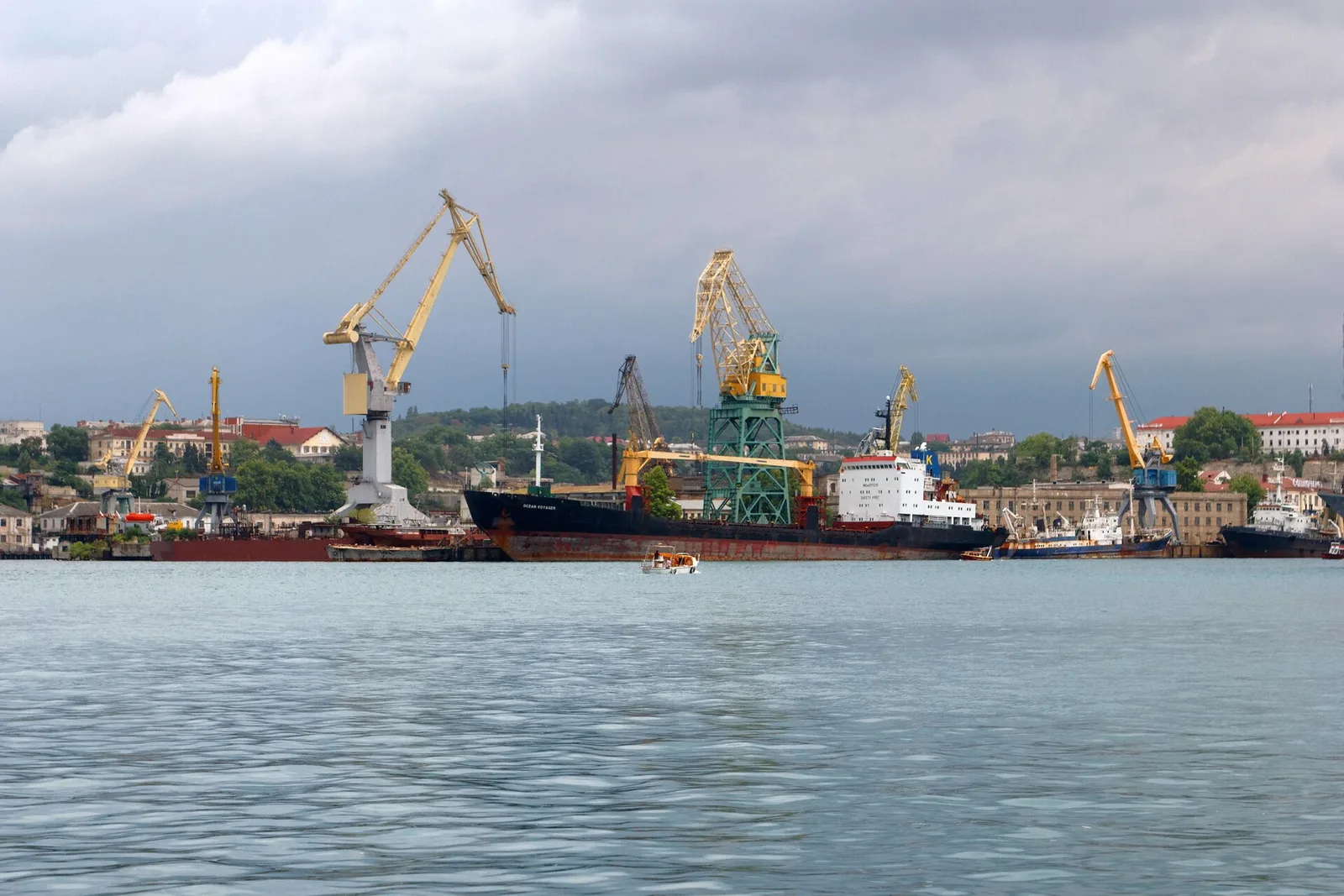
All train services to and from Hainan are suspended for Tuesday, according to the state‐run Hainan Railway Co.. Key port operations at Haikou Xinhai Port, Xiuying Port and South Railway Port were halted from 2 p.m. on Monday, with resumptions expected on Thursday morning.
Meanwhile, maritime routes, including cruises to the Xisha Islands and supply lines serving those islands, have been shut down. Tourist ferry services to Sanya’s Wuzhizhou and Xidao islands have also ceased from Tuesday to mitigate risk.
Why the shutdown?
Meteorologists report that Fengshen, the 24th named storm of the year, has maximum sustained winds of 23 m/s and a wind-field radius of 220 to 280 km, signifying a wide area of potential high winds. The storm is forecast to intensify into a severe tropical storm or typhoon (winds of 30 to 35 m/s) as it advances west-northwest at about 20 to 25 km/h, before turning southwest around Hainan’s waters.

The emergency preparations are therefore aimed at mitigating not just wind damage, but also storm-surge, heavy rainfall and maritime hazards, particularly in an island environment dependent on ports, ferries and tourism.
Impact on people and industry
For residents and travellers, the suspension of train and ferry services means significant disruption in mobility. Tourists bound for scenic spots and island hops around Haikou and Sanya will face cancellations or postponements, while commuters must adjust to paused transport links.
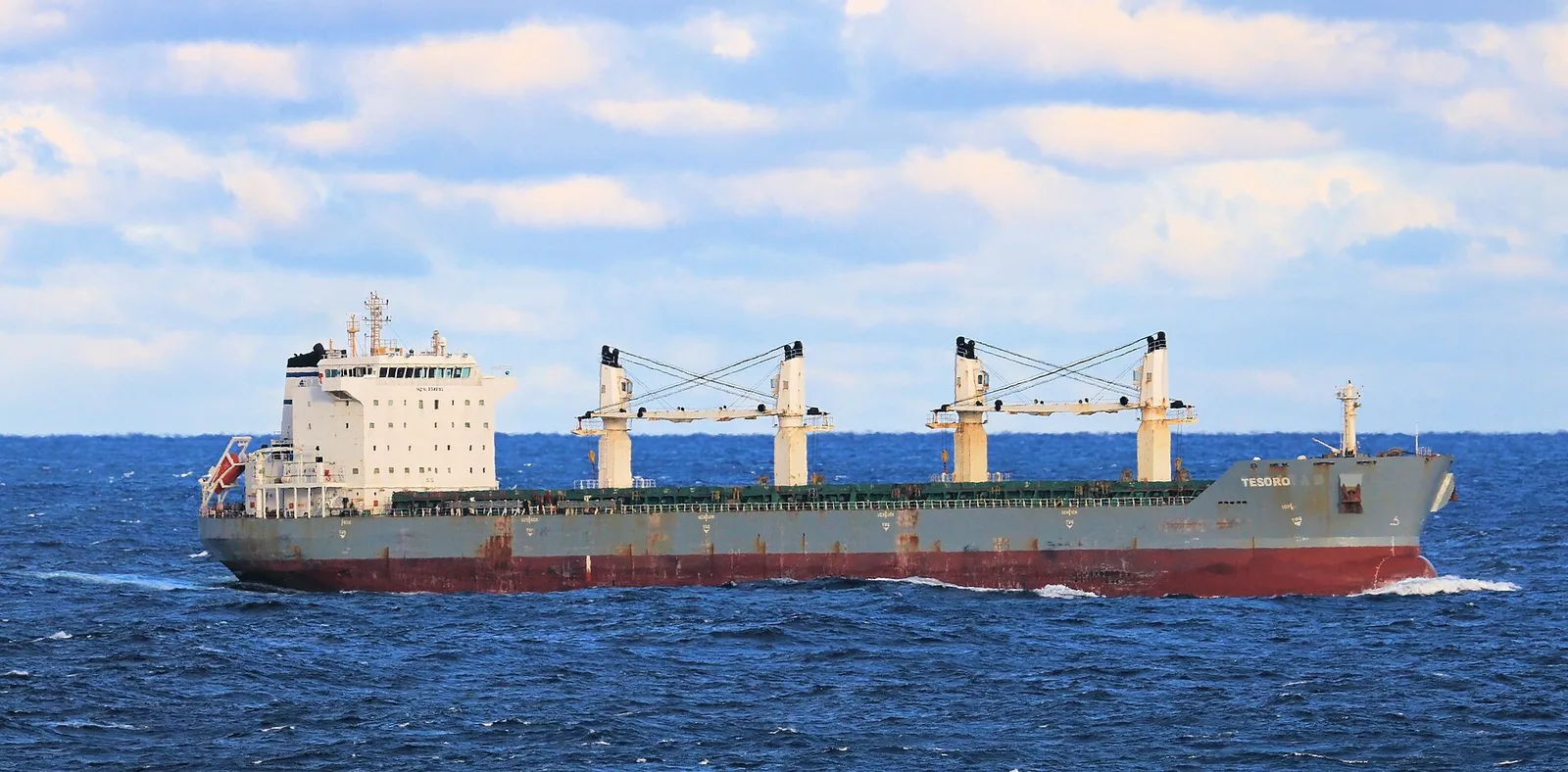
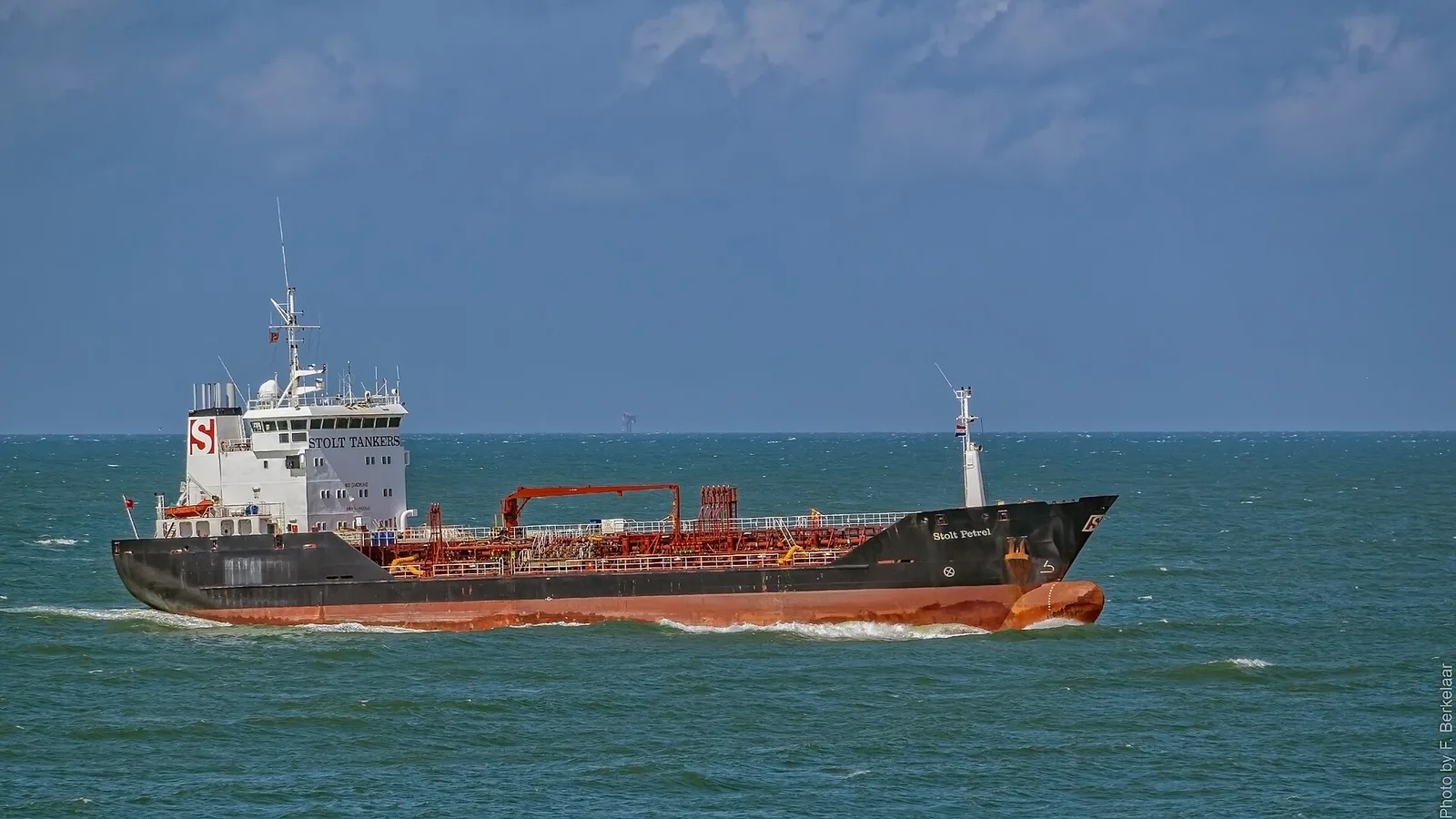
In the maritime and logistics sector, the effects are immediate. Suspension of port operations means cargo and freight flows into and out of Hainan are delayed; more than 1,900 vessels have been placed under precautionary safety measures under Hainan’s maritime authority emergency response.
The cruise and island-connection services, which contribute to Hainan’s tourism economy, are particularly vulnerable, with cancellation of night tours and supply-route halts already underway.
Attention will centre on whether the storm reaches full typhoon status as forecast, and how quickly transport operations can resume. Will the ports and ferry services bounce back immediately, or will the logistical backlog extend? Will the tourism-dependent services of islands around Haikou and Sanya see financial strain? Observers will also monitor if the southern shift of the storm spares Hainan from heavier impacts or instead prolongs disruptive offshore conditions.

As Editor in Chief of The Maritime, I lead content development, interviews, and digital storytelling across our multimedia maritime platform. With over 10 years of experience in the maritime industry, I create and publish in-depth stories and video features that highlight key players, emerging trends, and operational realities across global shipping. Before launching The Maritime, I worked as a Vessel Operator at Imza Marine A.S., gaining hands-on commercial shipping and voyage operations experience. I also served as Marketing Communications Specialist at Gimas Ship Supply & Services, where I managed corporate communication, digital strategy, and industry outreach for shipowners and maritime clients. I hold a Master’s degree in Maritime Transportation Management from Istanbul Technical University and a Master’s degree in Publishing from Marmara University. My work is driven by the belief that the maritime world deserves strong, informed, and accessible media representation. I am committed to sharing the stories of maritime professionals and contributing to the sector’s visibility, knowledge exchange, and future development.