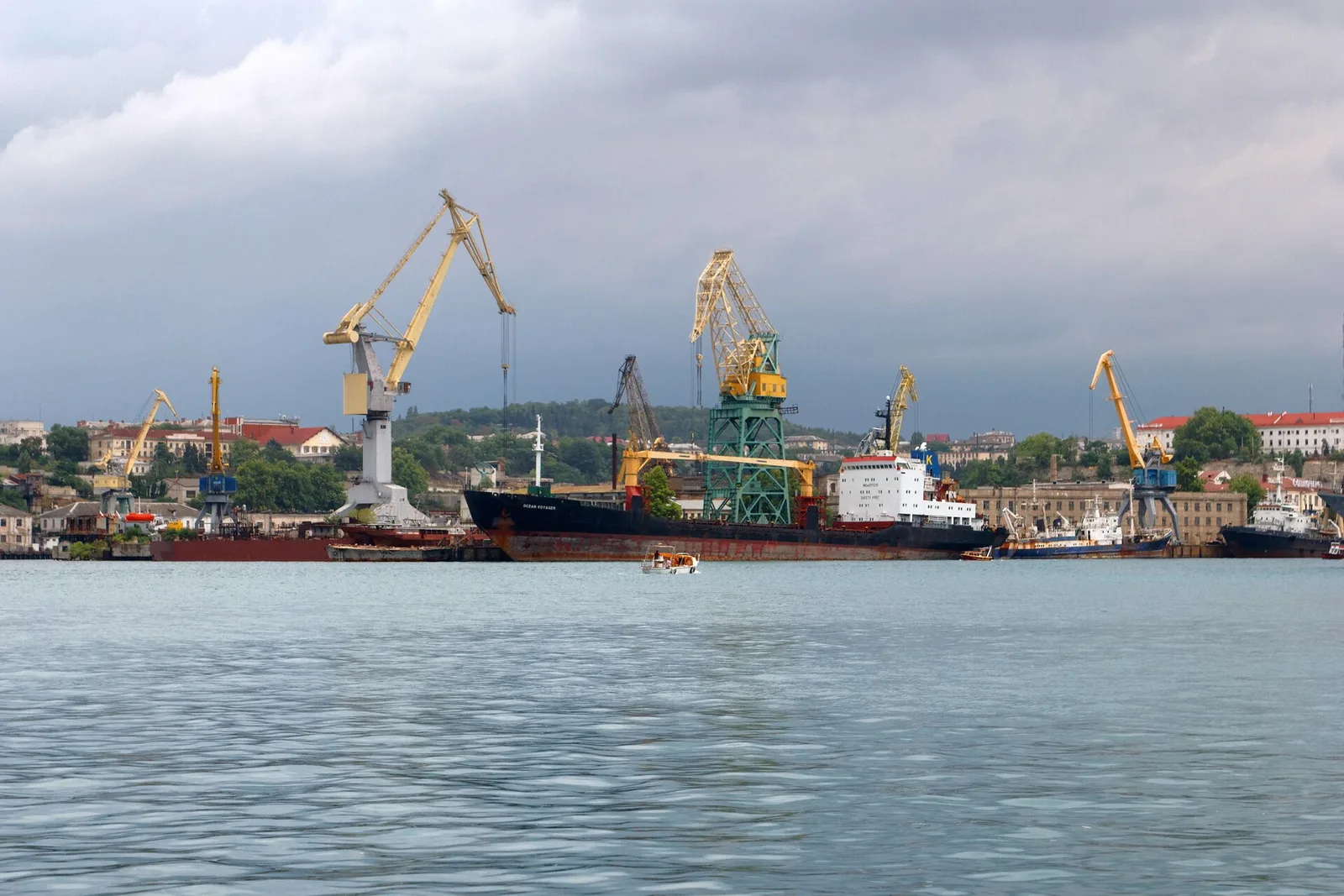
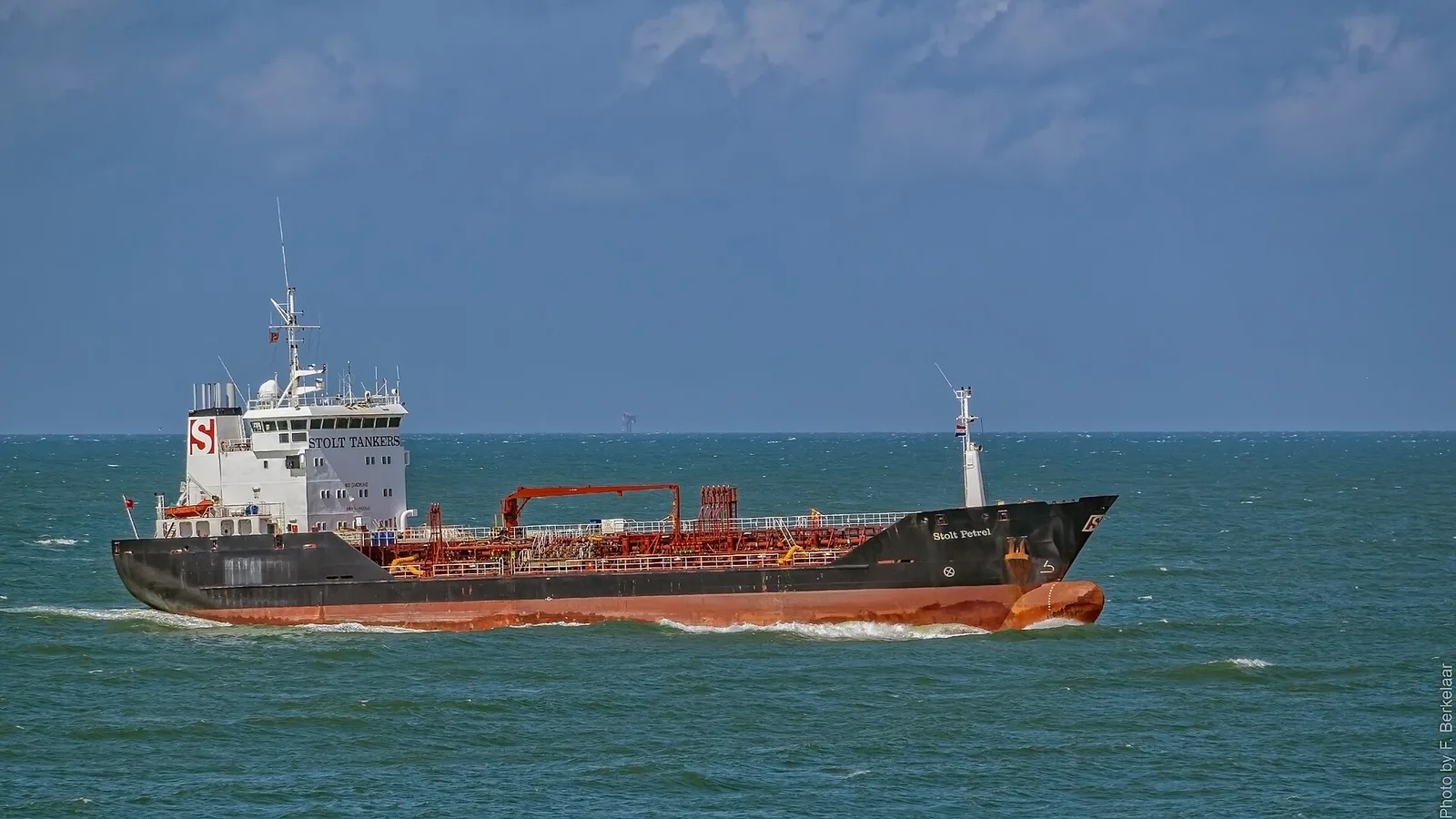
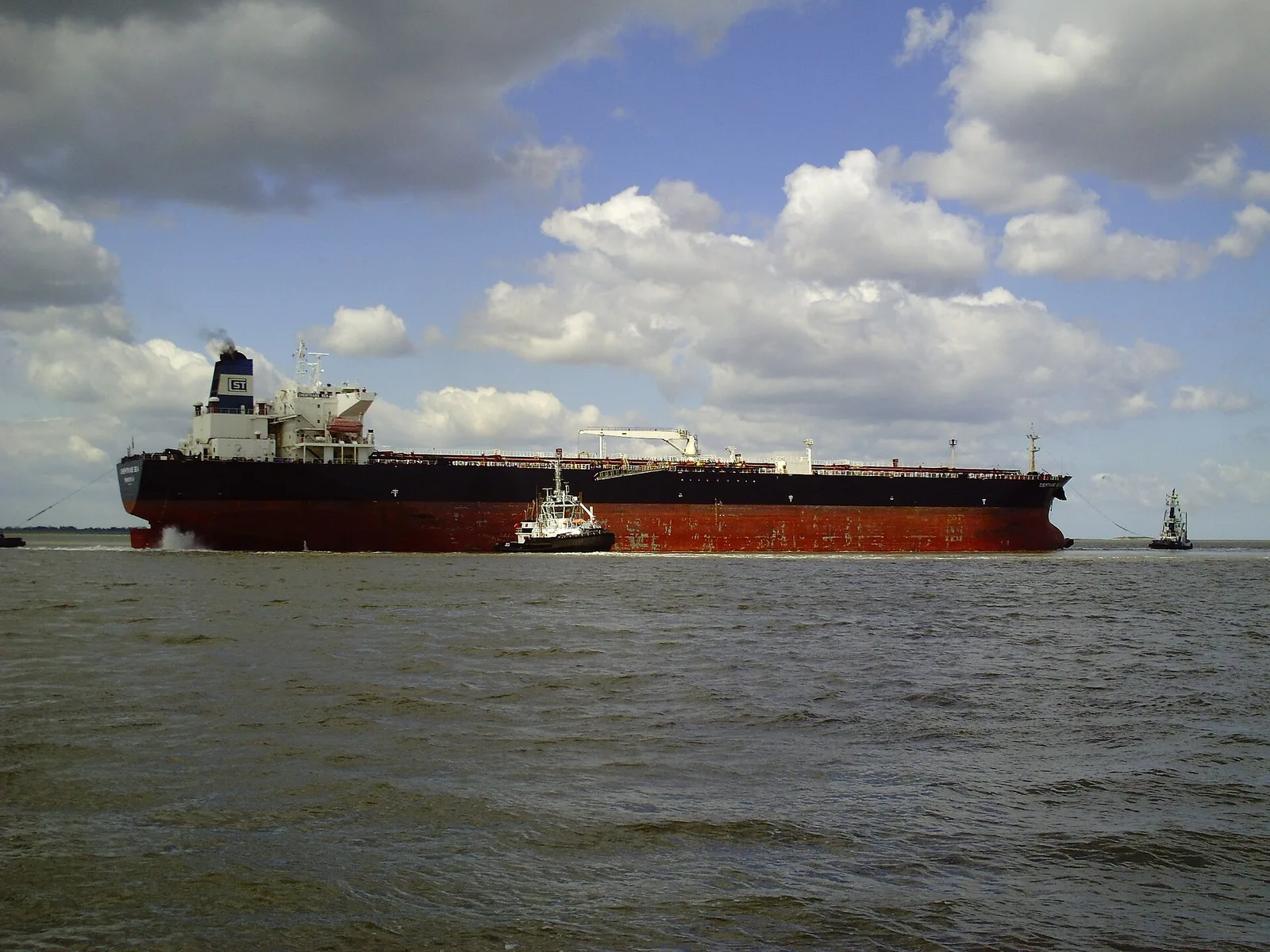
The United States and China have begun collecting reciprocal port fees on vessels linked to the other country, a rapid escalation that has pushed the trade dispute onto the world’s shipping lanes and is already forcing ship diversions, higher freight rates and operational workarounds across global supply chains.
On October 14, the U.S. implemented revised port levies aimed at ships built, owned, or operated by Chinese interests, while China immediately imposed retaliatory charges on U.S.-linked vessels, a schedule of rising yuan-denominated fees that will increase over the next three years and exempt certain vessels such as those built in China or empty ships entering yards for repair. The measures are part of broader policies intended to protect domestic shipbuilding and to punish what each side describes as unfair maritime practices.
**Why does this creates turmoil at sea**
The fees act as a direct cost on voyages and, by design or consequence, distort cargo routing and chartering decisions. Freight indices for key tanker routes jumped sharply after the move as owners and charterers adjusted their plans; analysts estimate the measures could affect double-digit shares of the global crude tanker and container fleets, raising costs per voyage and creating incentives to reroute via third-country hubs or to sell cargoes mid-voyage to avoid exposure.
Those shifts increase sailing distances, congestion at alternate terminals, and the risk of localized bottlenecks, in short, supply-chain friction that translates into higher prices and delays for end consumers.
**Industry response and immediate workarounds**
Shipping lines and charterers have moved quickly to reduce exposure: some carriers reallocated China-linked vessels away from U.S. routes, others sought carve-outs for long-term charters of energy carriers, and traders are using ad-hoc solutions such as diverting to alternative Chinese ports or transloading cargoes through third countries.
Regulators on both sides have also issued limited exemptions and phased implementations after industry pushback. Still, market participants say these are stopgap measures and that more structural rerouting is already under way.
**Which companies and sectors are most exposed**
Analysts estimate major container lines and state-linked carriers such as COSCO could shoulder a large share of the U.S. fees, while a measurable portion of the crude tanker fleet and LPG carriers fall into China’s scope. Beyond carriers, commodity exporters and energy shippers face elevated charter costs and potential delays that can change trade economics for oil, liquefied gases and containerized goods alike.
Financial markets have taken note, with affected shipbuilding and shipping stocks reacting to the new measures and to related sanctions against firms deemed to support the opposing side’s investigations.
This maritime tit-for-tat reaches beyond short-term shipping costs: it can reshape trade corridors, accelerate supplier diversification, and alter strategic industrial policy (notably shipbuilding and port infrastructure investment). The measures also show how environmental and regulatory issues, such as recent IMO climate measures, can be entwined with geopolitics and used as leverage, complicating multilateral policymaking and industry compliance.
Key variables are whether either government eases or extends the levies, how many carriers are able to reroute effectively without creating new bottlenecks, and whether allied or third-country ports become persistent “safe” alternatives that capture diverted trade. Negotiations at upcoming diplomatic meetings and further industry petitions for carve-outs will be critical signals of where this dispute heads.
Cover image: Raimond Spekking, CC BY-SA 4.0, via Wikimedia Commons.