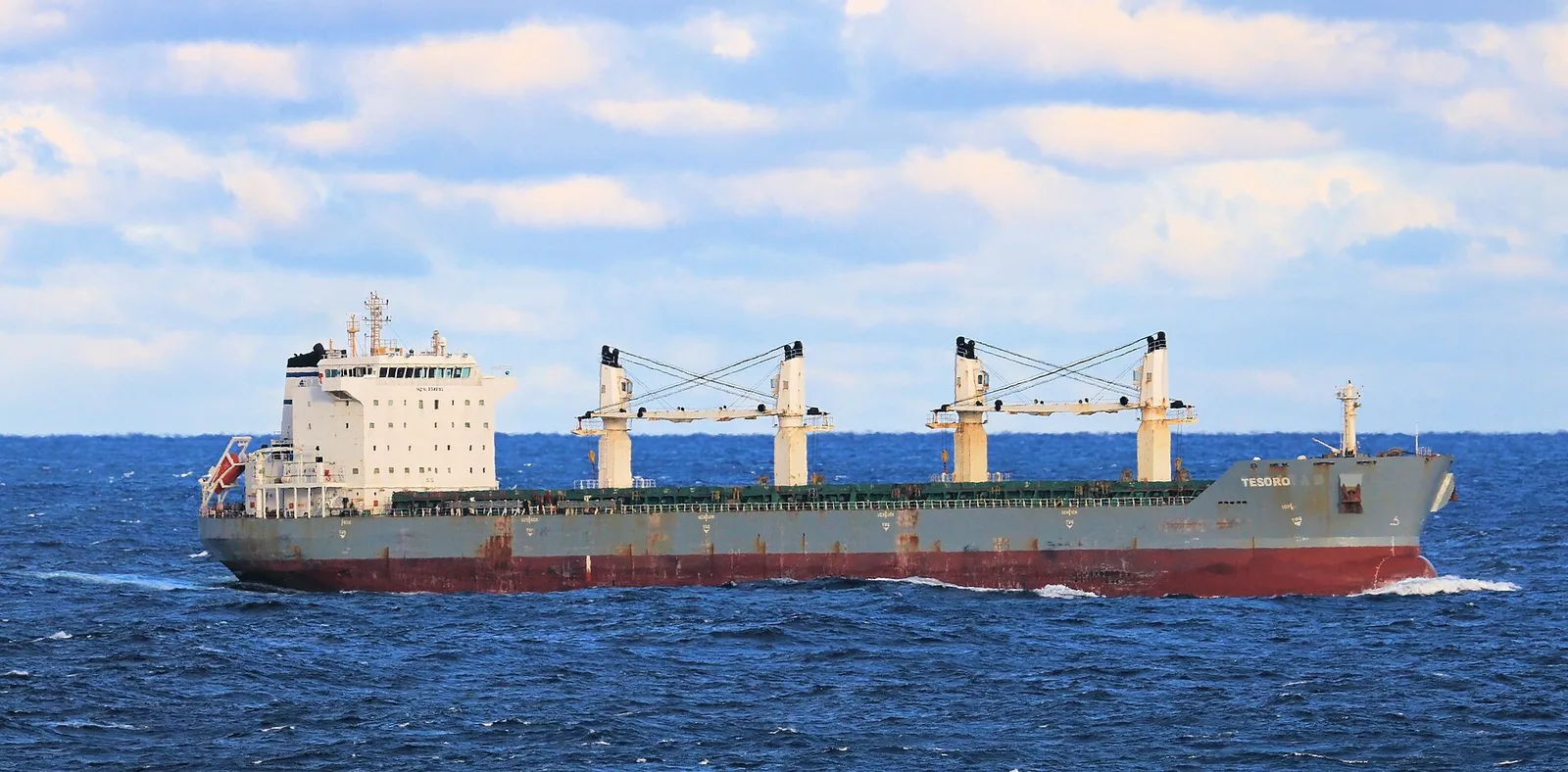
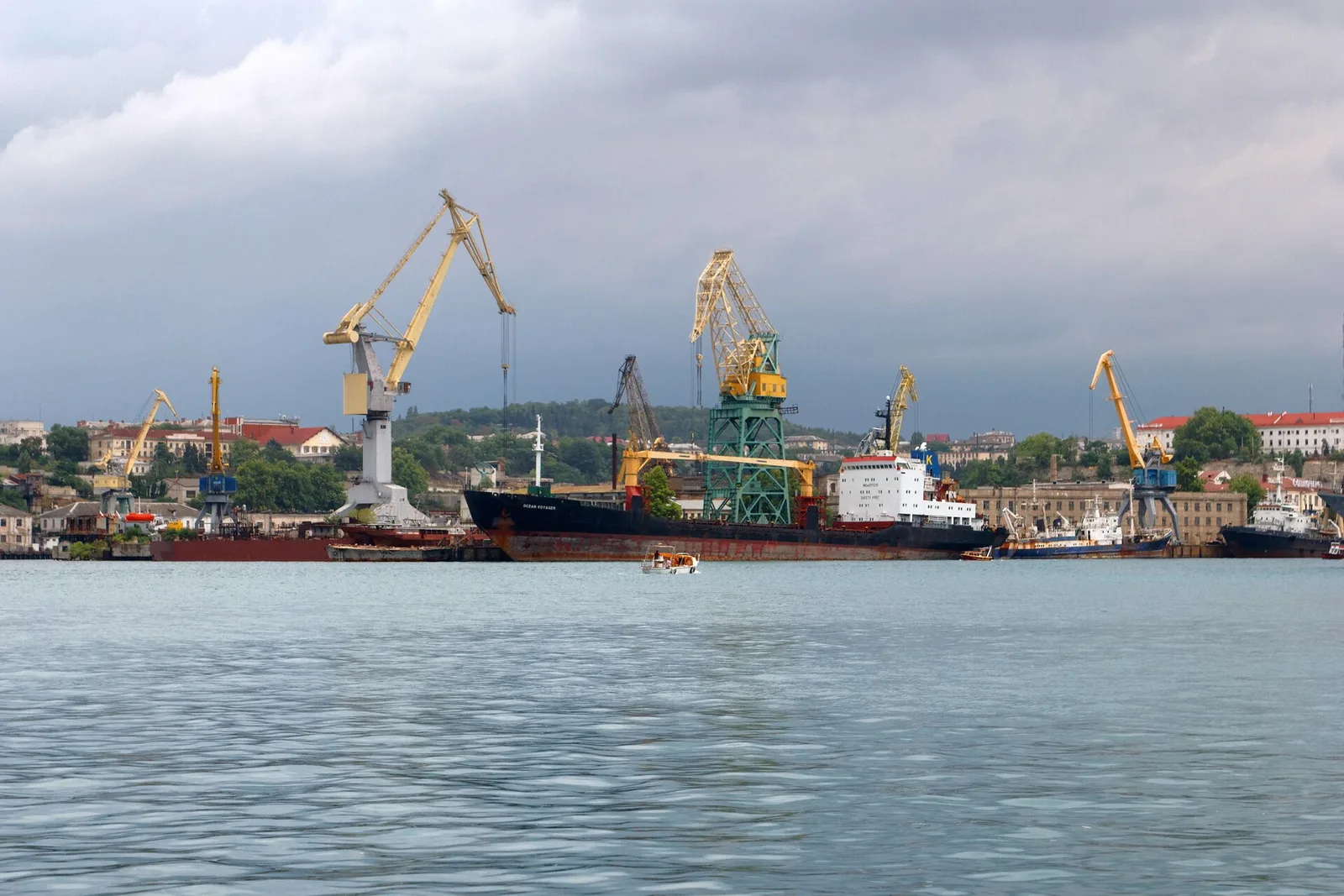
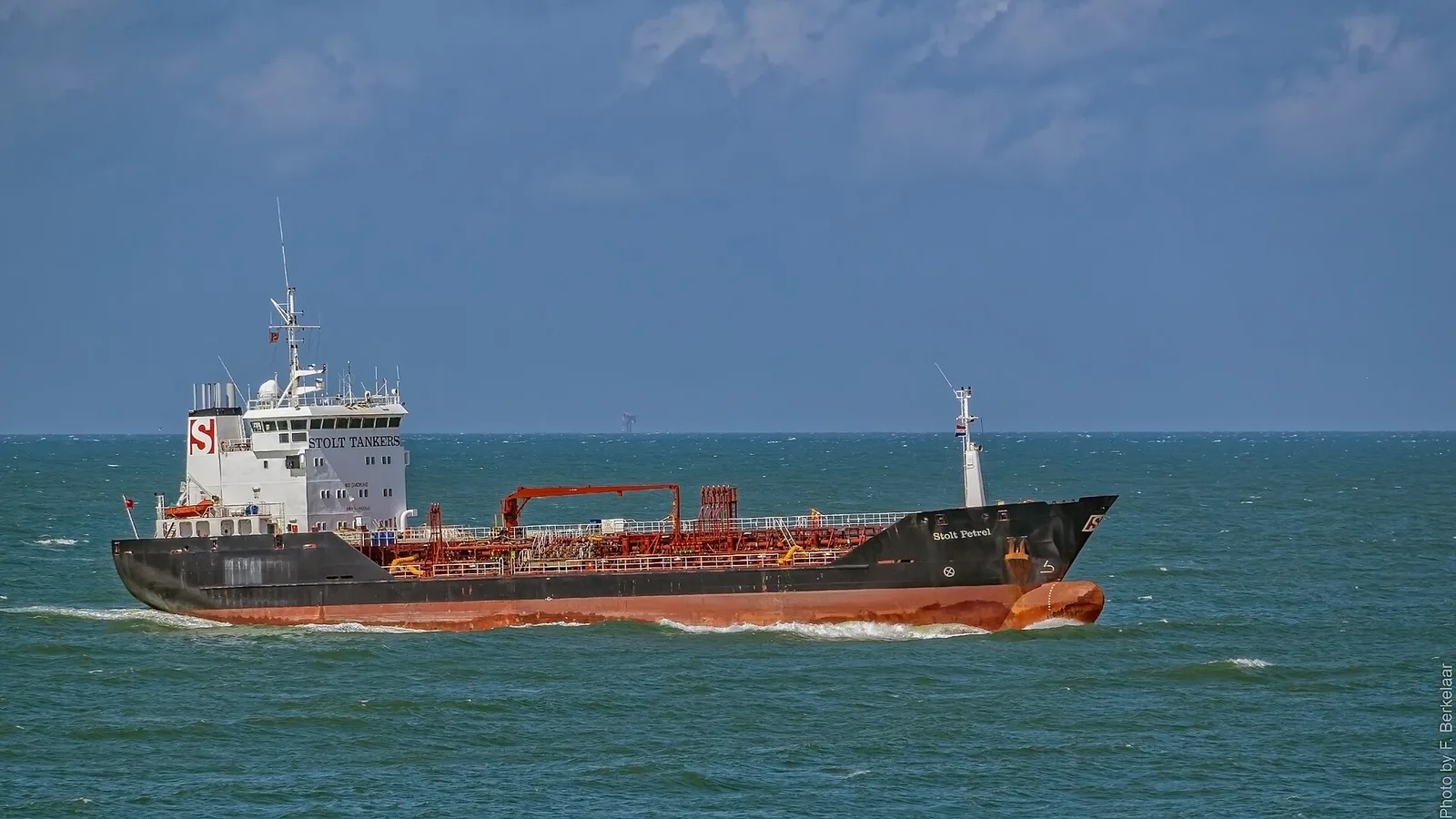
It is without doubt that we should start this months piece mentioning the recent attacks in the Turkish perimeter. From a maritime perspective, attacks are taking place in the Black Sea dangerously -and according to some people with serious maritime law background, “unacceptably” close to Türkiye. As discussions move closer to a potential ceasefire within exclusive economic zones, parties tend to escalate pressure to strengthen their position at the negotiating table.
This, however, is not a tolerable situation, as tension is clearly rising. The most immediate impact is on war risk insurance premiums, which are increasing sharply. As shipowners willing to take this risk demand higher compensation, these costs will be inevitably passed on to freight rates, creating upward pressure on freight levels.
New Era in 2026
The global economy is entering a phase where monetary policy, geopolitics, and trade are increasingly interconnected. Interest rate decisions in Washington, debates over central bank independence, and regional power shifts are no longer abstract issues. They are directly influencing cargo flows, freight rates, and investment decisions across the maritime sector.
The US Federal Reserve’s (Fed) 25-basis-point rate cut in November, with another cut widely expected, signals a clear move toward looser moneraty policy. A policy rate in the 3.25 to 3.50 percent range would support consumption, housing, and capital markets. For shipping, easier credit conditions matter because they shape commodity demand and fleet investment.
What stands out is the political discussion around the Fed itself. Openly debating a change in Fed leadership sends a strong signal to markets: accommodative policy may not be temporary. If this perception solidifies, risk assets, equities, and commodities, particularly energy and bulks, are likely to benefit.
Global Growth Forecasts
Global growth forecasts are edging higher but remain fragile. The IMF now expects 3.0 percent growth in 2025, while the OECD projects 3.2 percent. These headline figures hide significant imbalances.
China illustrates this clearly. Growth near 5 percent is still possible, but domestic demand remains weak. Production continues to expand, forcing surplus supply into export markets. This supports trade volumes and keeps freight markets active, especially in Southeast Asia, but it also increases political and trade friction. Volume should not be mistaken for sustainability.
India presents a different picture. Forecasts suggesting it could overtake Japan, and potentially Germany, highlight a shift in global growth engines. However, India’s model is more consumption-led and structurally distinct from China, implying different, more diversified trade patterns rather than pure export pressure.
Geopolitically, priorities are shifting. The US appears keen to contain the Russia file and refocus on China, while Europe remains more cautious, driven by security concerns. Reports that Washington is limiting the use of seized Russian assets for Ukraine underline these diverging approaches.
Situation in Venezuela
Tensions between the US and Venezuela add further uncertainty, particularly for energy markets and tanker trade. Rising pressure and diplomatic signals suggest Venezuela is once again becoming a strategic variable.
Overall, growth continues, liquidity is improving, and trade flows remain resilient. Yet the foundations are uneven. Political influence over monetary policy is growing, surplus-driven trade models are being tested, and geopolitical risks remain high.
For the maritime sector, this is a period of opportunity, but not complacency. Short-term momentum exists, but long-term planning requires caution, flexibility, and a clear reading of how macroeconomic shifts translate into real cargo demand.

Naval Architect and Marine Engineer by trade, has been involved in many branches of shipping since late 90s. First learned to build ships, then to finance ships, moved on to a long period of analyzing markets of ships and finally sale & purchase of ships, on the back of a diverse and strong academic career. Engin is a commercial maritime expert who puts strategical data into proper practical perspective so that it can be converted to financial substance.